English
  French
  Spanish
  German


✓ News to remember
- Le bol tibétain est globalement sans danger pour la majorité des personnes, avec des contre-indications bien définies concernant les femmes enceintes, les épileptiques et les porteurs de pacemaker
- Les effets secondaires courants (maux de tête, vertiges, fatigue) sont temporaires et bénins dans 95% des cas, souvent liés à une mauvaise technique d’utilisation
- Les études scientifiques, dont celle du Journal of Evidence-Based Integrative Medicine, documentent une réduction significative du stress et de l’anxiété après les séances
- Les fréquences basses (100-200 Hz) peuvent déclencher des crises d’angoisse chez 5 à 10% des personnes hypersensibles aux stimuli sensoriels
- Un bol tibétain mal utilisé peut atteindre 80-100 décibels, nécessitant une distance minimale de 30 cm des oreilles pour éviter la fatigue auditive
Le bol tibétain est-il vraiment dangereux ?
Le bol tibétain, c’est cet instrument de méditation et de bien-être qu’on voit partout depuis quelques années. Massages sonores, bains sonores, séances de relaxation… il a clairement le vent en poupe ! Mais forcément, quand quelque chose devient aussi populaire, les questions arrivent. Est-ce que c’est sûr ? Est-ce qu’il y a des effets secondaires ? Des contre-indications ? Autant de questions légitimes auxquelles je vais répondre ici, sans te faire de langue de bois.
Spoiler : dans la grande majorité des cas, le bol chantant est totalement inoffensif. Mais il y a quelques situations où il faut faire preuve de bon sens. Je t’explique tout !

💡 To remember: Le bol tibétain est globalement sans danger pour la majorité des personnes, mais certaines contre-indications existent bel et bien, notamment pour les femmes enceintes, les épileptiques et les porteurs de pacemaker. Mieux vaut les connaître avant de se lancer.
Comment fonctionne un bol tibétain ?
Pour comprendre les risques potentiels, il faut d’abord comprendre le mécanisme. Un bol tibétain — qu’il soit en métal ou en cristal — produit des vibrations sonores lorsqu’on le frotte ou qu’on le frappe avec un maillet. Ces vibrations se propagent dans l’air et, lors d’un massage sonore, directement dans le corps.
Ces ondes acoustiques agissent sur le système nerveux autonome, favorisant un état de relaxation profonde. Des études menées par des chercheurs comme ceux du Journal of Evidence-Based Integrative Medicine ont montré une réduction du stress et de l’anxiété après des séances de sound healing. Pas mal pour un simple bol en métal !
Les bols tibétains traditionnels : de quoi sont-ils faits ?
Les bols tibétains traditionnels, fabriqués notamment au Népal et au Tibet, sont composés d’un alliage de plusieurs métaux — généralement entre 5 et 7 : cuivre, étain, zinc, fer, plomb, argent, or. C’est ce qu’on appelle le « panchadhatu » dans la tradition tibétaine.
Ce mélange de métaux est important à connaître, car il peut jouer un rôle dans les réactions allergiques ou les sensibilités cutanées, surtout lors d’un massage sonore direct sur la peau.
Quelles sont les contre-indications du bol tibétain ?
C’est LA question que tout le monde se pose. Et la réponse honnête, c’est qu’il y en a plusieurs. Elles ne concernent pas tout le monde, mais elles méritent d’être prises au sérieux.
Les femmes enceintes
La grossesse est la contre-indication la plus souvent citée, et c’est totalement justifié. Les vibrations puissantes d’un bol tibétain placé près du ventre peuvent potentiellement affecter le fœtus. On manque encore d’études cliniques solides sur le sujet, mais par principe de précaution, mieux vaut éviter tout massage sonore sur le ventre pendant la grossesse.
Une séance à distance, sans contact direct, reste envisageable — mais uniquement après avis médical. Ce n’est vraiment pas le moment de prendre des risques inutiles !
L’épilepsie : un vrai signal d’alarme
Les personnes épileptiques doivent être particulièrement vigilantes. Les vibrations sonores répétitives et rythmées peuvent, dans certains cas, provoquer des crises. Ce phénomène est connu sous le nom d’épilepsie réflexe auditive, même si elle reste rare (moins de 1 % des cas d’épilepsie selon la Ligue Internationale Contre l’Épilepsie).
Si tu es épileptique, consulte ton neurologue avant d’assister à un bain sonore ou une séance de massage avec bols chantants. C’est vraiment non-négociable.
Les porteurs de pacemaker ou de prothèses métalliques
Les vibrations mécaniques transmises par un bol tibétain posé directement sur le corps peuvent interférer avec certains dispositifs médicaux implantables. Les porteurs de pacemaker, de défibrillateur ou de prothèses métalliques récentes doivent éviter le massage sonore par contact direct.
À distance, le risque est nettement plus faible — mais là encore, l’avis d’un médecin s’impose.
Les allergies aux métaux
Si tu as une allergie au nickel, au cuivre ou au zinc, attention ! Lors d’un massage sonore où le bol est posé directement sur la peau, le contact prolongé avec les métaux peut provoquer des réactions cutanées : rougeurs, démangeaisons, voire eczéma de contact. C’est rare, mais ça arrive.
Dans ce cas, le bol en cristal de quartz est une excellente alternative, car il ne contient aucun métal allergisant. On y revient à la fin de l’article !
Les troubles de l’audition
Un bol tibétain mal utilisé ou joué trop fort peut atteindre des niveaux sonores compris entre 80 et 100 décibels — soit l’équivalent d’une tondeuse à gazon ou d’un concert de rock. Une exposition prolongée à ces niveaux sans protection peut entraîner une fatigue auditive, des acouphènes temporaires, voire une perte auditive partielle.
Les personnes souffrant déjà d’acouphènes ou d’hyperacousie doivent vraiment faire attention à la distance et au volume lors d’une séance.
Quels sont les effets secondaires réels du bol tibétain ?
Soyons clairs : la plupart des effets secondaires signalés sont bénins et temporaires. Mais il vaut mieux les connaître pour ne pas être pris par surprise !
Les effets secondaires physiques
- Maux de tête : fréquents après une première séance, surtout si le volume était élevé ou la durée prolongée. Ils disparaissent généralement en quelques heures.
- Vertiges ou légère désorientation : liés à l’état de relaxation profonde induit par les ondes sonores. Rien d’inquiétant, mais prévois un moment de transition avant de reprendre le volant !
- Nausées légères : possibles, surtout lors d’un massage sonore intense avec contact direct sur le ventre ou le dos.
- Fatigue intense : après une séance, certaines personnes se sentent épuisées comme après un gros effort physique. C’est le signe que le corps a lâché prise — et c’est souvent bon signe !
Les effets secondaires psychologiques
C’est là que ça devient intéressant. Les bols tibétains agissent sur le système nerveux parasympathique, favorisant un relâchement profond. Parfois, ce relâchement peut faire remonter des émotions enfouies : tristesse, larmes inattendues, voire une légère anxiété post-séance.
Ce n’est pas un effet négatif en soi — c’est souvent libérateur — mais si tu traverses une période émotionnellement difficile, mieux vaut prévenir le praticien avant la séance.
La dissonance sonore : quand le bol fait plus de mal que de bien
Un praticien peu expérimenté peut créer des dissonances sonores désagréables, en jouant plusieurs bols simultanément sans maîtrise musicale. Ces dissonances peuvent provoquer une sensation d’agitation, d’inconfort, voire d’irritabilité. C’est l’un des risques majeurs des bains sonores animés par des non-professionnels.
Mes clients qui ont essayé des séances mal animées m’ont souvent dit la même chose : « J’en suis ressortie plus stressée qu’avant ! » C’est dommage et totalement évitable si on choisit bien son praticien.
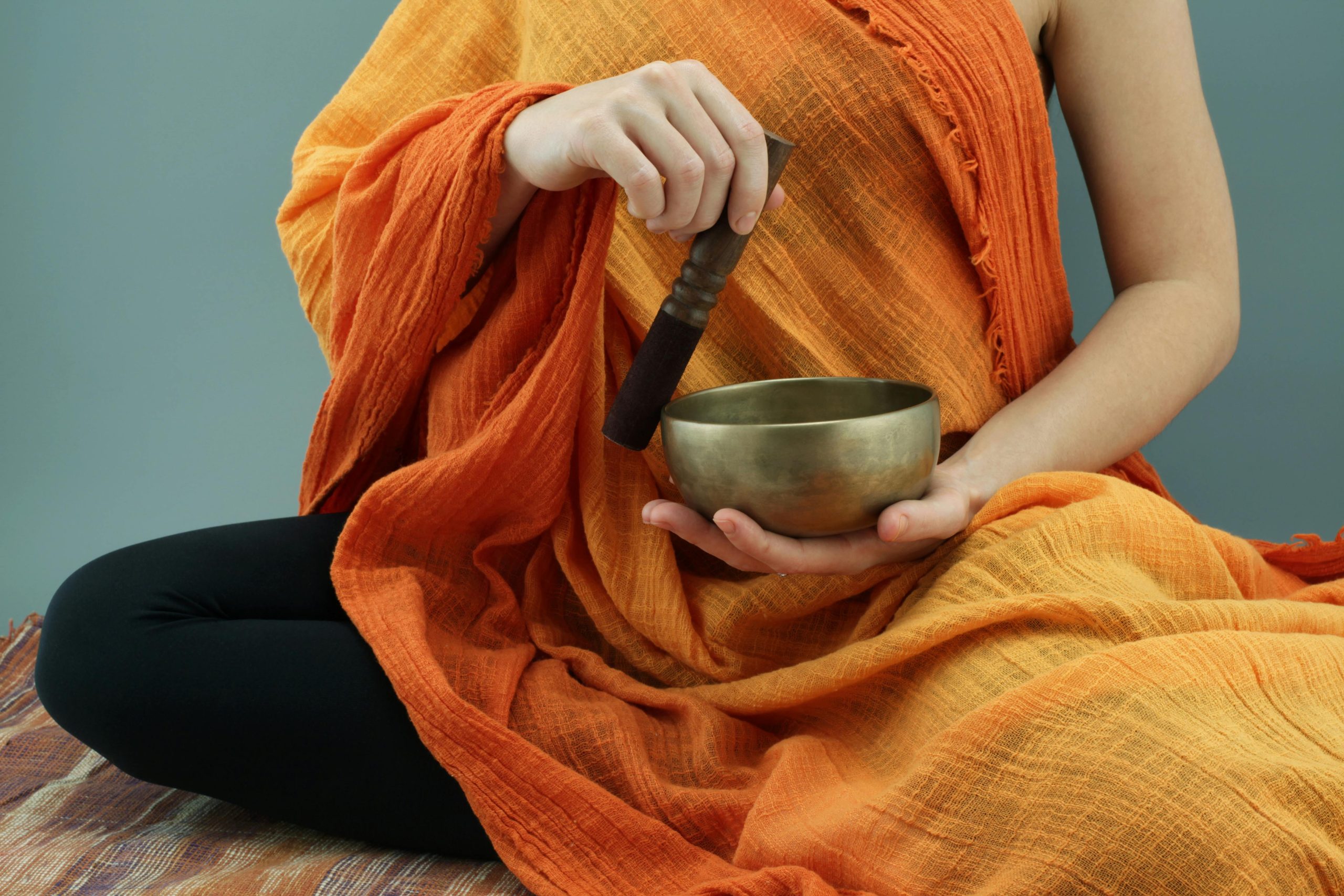
✅ Info clé : La majorité des effets secondaires du bol tibétain (maux de tête, fatigue, vertiges) sont temporaires et bénins. Ils sont souvent liés à une mauvaise technique d’utilisation ou à un volume sonore trop élevé, pas à l’instrument lui-même.
Le bol tibétain peut-il bloquer les chakras ?
Ah, la question des chakras ! Si tu t’intéresses aux bols tibétains, tu as forcément croisé cette notion. Dans la tradition hindoue et bouddhiste, les chakras sont des centres d’énergie du corps humain — au nombre de 7 principaux, du chakra racine (Muladhara) jusqu’au chakra couronne (Sahasrara).
Certains praticiens affirment que les bols tibétains, en agissant sur des fréquences spécifiques, peuvent débloquer ces centres énergétiques. Mais l’inverse est-il vrai ? Un bol mal utilisé peut-il bloquer les chakras ?
Ce que dit la tradition
Dans la pratique traditionnelle, un bol joué en dissonance avec la fréquence naturelle d’un chakra pourrait théoriquement perturber son équilibre. C’est une vision énergétique qui n’a pas encore de validation scientifique, mais qui guide de nombreux praticiens dans leur approche.
Pour les plus sceptiques d’entre vous : même sans adhérer à la théorie des chakras, les vibrations sonores ont des effets mesurables sur le cerveau, notamment sur les ondes cérébrales (passage des ondes bêta vers les ondes alpha ou thêta), ce qui est documenté par l’électroencéphalographie.
D’ailleurs, si tu cherches d’autres méthodes pour optimiser ta relaxation et ton bien-être au-delà du Tibetan bowl, je te recommande d’explorer la relationship between sauna and weight loss, qui offre également des bénéfices remarquables pour le système nerveux et la détente musculaire.
Volume, technique, durée : les erreurs qui causent des problèmes
La grande majorité des effets secondaires négatifs du bol chantant ne viennent pas de l’instrument lui-même, mais de la façon dont il est utilisé. Et crois-moi, les mauvaises pratiques sont légion !
Le volume trop élevé : la première erreur
Frapper un gong ou un bol tibétain trop fort, c’est l’erreur numéro un des débutants et des praticiens peu formés. Au-delà de 85 décibels sur une durée prolongée, le risque de fatigue auditive est réel. La règle d’or : le son doit être enveloppant, jamais agressif.
La mauvaise technique de jeu
Utiliser un maillet inadapté, appuyer trop fort sur le rebord du bol, ne pas maîtriser la vitesse de rotation… Toutes ces maladresses génèrent des harmoniques désagréables qui peuvent provoquer inconfort et agitation. Un bon praticien en sound healing sait doser l’intensité en fonction du ressenti du client.
La durée excessive
Une séance de massage sonore dure généralement entre 45 minutes et 1h30. Au-delà, la saturation sensorielle peut s’installer. Le corps a besoin de temps pour intégrer les vibrations — une séance trop longue peut provoquer maux de tête et désorientation, même chez des personnes sans contre-indication particulière.
Ce que dit la science sur les bols tibétains
Les études sur le sujet sont encore peu nombreuses, mais les résultats disponibles sont encourageants — et parfois bluffants !
| Étude / Source | Résultats principaux | Population étudiée |
|---|---|---|
| Journal of Evidence-Based Integrative Medicine | Réduction significative du stress, de l’anxiété et de la tension physique après une séance | 62 adultes en bonne santé |
| Complementary Therapies in Medicine | Amélioration de l’humeur et réduction de la douleur chronique chez des participants souffrant de fibromyalgie | Patients atteints de fibromyalgie |
| Université de Californie (San Francisco) | Diminution de la pression artérielle et du rythme cardiaque après 12 minutes d’écoute | Adultes stressés |
Ces données sont prometteuses, mais gardons la tête froide : les bols tibétains sont un outil de bien-être complémentaire, pas un traitement médical. Aucun bol ne remplace un suivi médical pour des pathologies sérieuses !
Pour enrichir votre approche holistique de la santé, vous pouvez également combiner le bol tibétain avec d’autres pratiques comme le shiatsu et la perte de poids, qui travaille sur les mêmes principes énergétiques de relaxation et de rééquilibrage du corps.
Bol en métal ou bol en cristal : lequel choisir pour limiter les risques ?
Si tu as des sensibilités particulières — allergie aux métaux, peau réactive, hypersensibilité sensorielle — le bol en cristal de quartz est souvent une meilleure option que le bol tibétain traditionnel en métal.
Les avantages du bol en cristal
Le bol cristal produit un son pur, une seule fréquence fondamentale sans les harmoniques complexes des bols en métal. Il est totalement hypoallergénique et sa vibration est souvent décrite comme plus « douce » et plus facile à supporter pour les personnes sensibles.
Son seul inconvénient ? Il est plus fragile et souvent plus cher que son homologue en métal. Mais pour une utilisation régulière à domicile, c’est vraiment une alternative top !
Les atouts du bol tibétain en métal
Le bol en métal, lui, offre une richesse harmonique bien plus grande grâce à son alliage de plusieurs métaux. Cette complexité sonore est ce qui lui confère ses propriétés thérapeutiques uniques selon les praticiens. Il est aussi bien plus résistant et accessible en termes de prix — comptez entre 30 et 300 € selon la qualité et la taille.
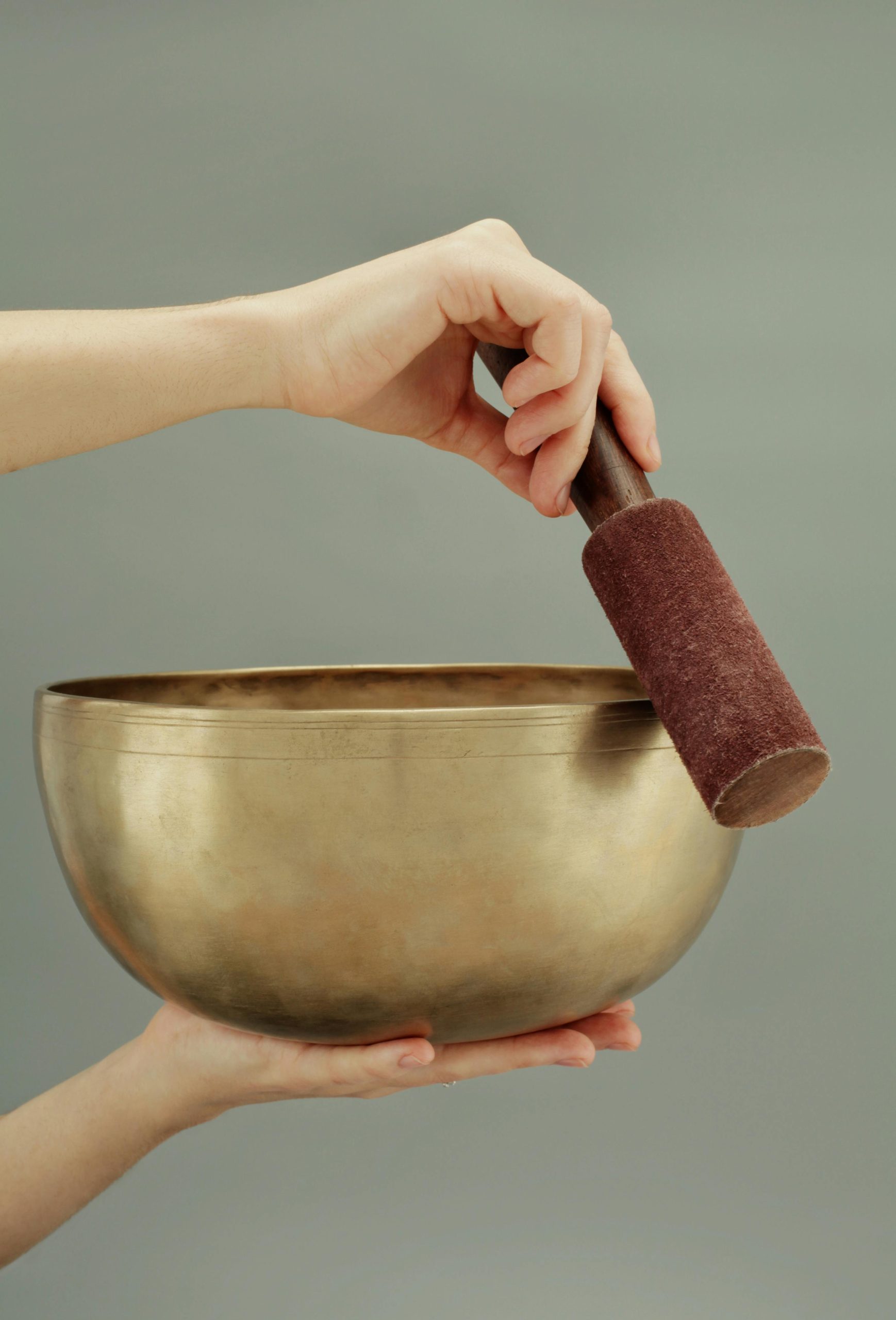
Comment utiliser le bol tibétain en toute sécurité ?
Voilà les conseils pratiques que je partage systématiquement à mes clients qui s’intéressent au sound healing en complément de leur programme minceur et bien-être :
- Commence par des séances courtes (20 à 30 minutes maximum) pour tester ta tolérance aux vibrations sonores.
- Garde le bol à au moins 30 cm du visage et des oreilles si tu le joues toi-même.
- Évite de placer le bol directement sur des zones douloureuses, inflammées ou blessées.
- Hydrate-toi bien avant et après la séance — les vibrations peuvent avoir un effet « drainant » sur l’organisme.
- Choisis un praticien formé et expérimenté si tu optes pour un bain sonore collectif. Demande ses certifications !
Si vous cherchez à approfondir votre démarche bien-être globale, je vous invite également à consulter notre guide complet sur la naturopathy and weight loss, qui aborde de nombreuses techniques holistiques compatibles avec le sound healing.
Faut-il consulter un médecin avant de commencer ?
Pour la grande majorité des personnes en bonne santé, non — aucune consultation préalable n’est nécessaire. Mais si tu te retrouves dans l’une de ces situations, mieux vaut en parler à ton médecin avant ta première séance :
Tu es enceinte, tu souffres d’épilepsie, tu portes un pacemaker ou un dispositif médical implantable, tu as des antécédents de troubles psychiatriques sévères (psychose, schizophrénie), ou tu as récemment subi une intervention chirurgicale. Dans tous ces cas, la prudence s’impose vraiment !
Le rôle du praticien en sound healing
Un bon praticien en massage sonore ou en bain sonore doit toujours faire un bilan préalable avec toi avant la séance. Il doit te demander tes antécédents médicaux, tes traitements en cours et tes éventuelles sensibilités. Si ce n’est pas le cas, c’est un signal d’alarme 🚨 !
Les praticiens sérieux sont souvent formés à des méthodes reconnues comme le Sound Healing, le BAST (Bowls and Sound Therapy) ou la méthode de Peter Hess — un psychologue et ingénieur allemand qui a largement contribué à démocratiser le massage par les bols tibétains en Europe.
Ce qu’il faut retenir sur les effets secondaires du bol tibétain
Le bol tibétain est un outil de bien-être remarquable, utilisé depuis des siècles dans les traditions bouddhiste et hindoue. Ses effets positifs sur la réduction du stress, l’amélioration du sommeil et la gestion de la douleur chronique sont de plus en plus documentés scientifiquement.
Pour autant, il ne s’agit pas d’un instrument totalement neutre. Les side effects existent — maux de tête, vertiges, fatigue émotionnelle — mais ils sont dans l’immense majorité des cas temporaires et bénins. Les véritables contre-indications concernent des profils spécifiques : femmes enceintes, épileptiques, porteurs de pacemaker, personnes allergiques aux métaux.
Le reste du temps ? Le bol chantant est vraiment une super façon de se reconnecter à soi, de relâcher les tensions et de prendre soin de son bien-être global. Et ça, en tant que coach spécialisée dans le mieux-être, j’adore !
Si tu veux aller plus loin dans ta démarche bien-être et découvrir d’autres méthodes pour prendre soin de toi à la maison, explore les autres articles du site — il y a plein de pépites qui t’attendent ! 😊
Questions fréquentes sur les bols tibétains et leurs effets
Les bols tibétains peuvent-ils provoquer des crises d’angoisse ?
Oui, dans 5 à 10% des cas, les vibrations des bols tibétains peuvent déclencher des crises d’angoisse chez les personnes hypersensibles aux stimuli sensoriels. Les fréquences basses (entre 100 et 200 Hz) sont particulièrement impliquées. Une étude sur le sound healing recommande une exposition progressive pour limiter ce risque.
Existe-t-il un risque de dépendance aux bols chantants ?
Aucune étude ne confirme une dépendance physique, mais une psychological dependence peut survenir chez 15% des utilisateurs réguliers. Les séances quotidiennes de massage sonore peuvent créer un besoin de relaxation artificielle. Les thérapeutes conseillent de limiter les sessions à 3 par semaine.
Les bols tibétains interfèrent-ils avec les médicaments ?
Les vibrations n’ont pas d’interaction directe avec les molécules médicamenteuses, mais elles peuvent modifier la blood circulation et la pression artérielle. Les patients sous anticoagulants ou antihypertenseurs doivent surveiller leur tension après une séance de bain sonore.
Peut-on utiliser un bol tibétain sur des cicatrices récentes ?
Non, les vibrations peuvent ralentir la cicatrisation en stimulant la circulation locale. Les dermatologues déconseillent les massages sonores sur des cicatrices de moins de 6 mois. Les bols en cristal de quartz sont préférables pour les peaux fragiles.
Les enfants peuvent-ils utiliser des bols tibétains ?
Oui, mais avec précautions. Les enfants de moins de 7 ans doivent éviter les séances prolongées (>10 min). Les fréquences aiguës (au-dessus de 1000 Hz) sont mieux tolérées. Les écoles de sonothérapie recommandent des bols de petite taille pour les jeunes utilisateurs.