 English
  French
  Spanish
  German


✓ News to remember
- Visit paclitaxel (Taxol) causes peripheral neuropathy in 60 to 70 % of patients, with tingling and numbness in the hands and feet
- Hair loss (alopecia) affects 80 to 87 % of patients treated, but is reversible after treatment is stopped
- Solutions exist to manage side effects: cooling gloves, duloxetine, adapted physical activity and anti-emetics.
- Fever over 38.5°C or breathing difficulties require urgent medical attention
- Alternatives such as’Abraxane or the docetaxel depending on the patient's profile
What exactly is Taxol (paclitaxel)?
Visit Taxol, whose generic name is paclitaxel, is a chemotherapy drug used to treat several types of cancer: breast cancer, ovarian cancer, non-small-cell lung cancer, and even Kaposi's sarcoma. It belongs to the taxane family and works by blocking the division of cancer cells. In other words, it prevents the tumor from multiplying!
Developed from the bark of the Pacific yew (Taxus brevifolia), Taxol is administered by intravenous infusion, generally every 3 weeks or every week, depending on the protocol defined by the oncologist. It's a proven treatment, but like all chemotherapy, it comes with side effects that you should be aware of in advance.
💡 Paclitaxel (Taxol) is one of the world's most prescribed chemotherapeutic agents for the treatment of breast and ovarian cancer. Around 70 to 80 % of treated patients develop peripheral neuropathy to varying degrees.
What are the common side effects of Taxol?
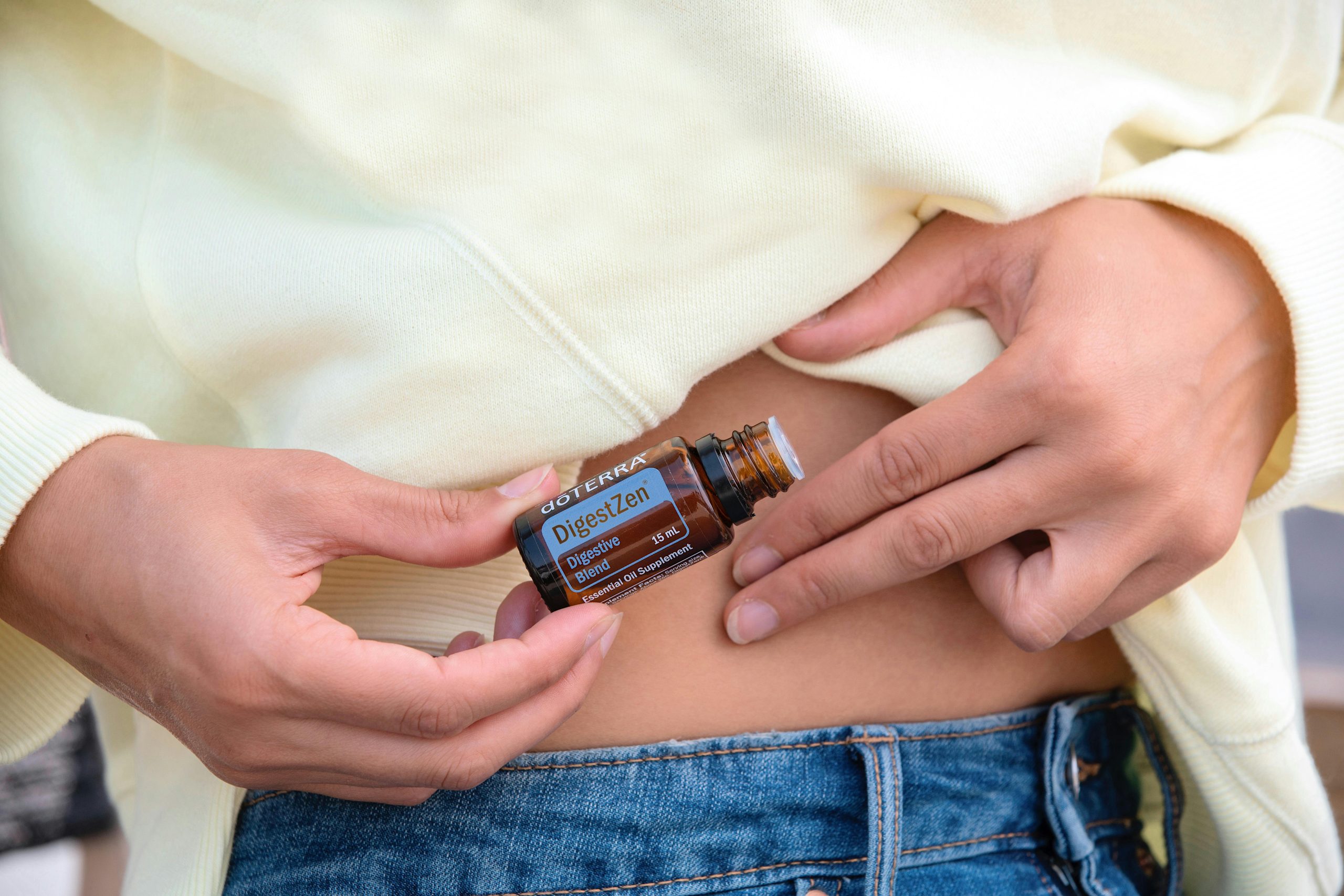
The majority of Taxol patients experience side effects. The good news is that most are manageable and temporary! Here's what you may encounter most often.
Peripheral neuropathy
This is the most common and best-known side effect of paclitaxel. The peripheral neuropathy manifests as tingling, numbness or pain in the hands and feet. It affects between 60 and 70 % of patients treated. In some cases, it may persist for several months after treatment has been discontinued.
Fatigue
Visit fatigue related to chemotherapy, this is true fatigue - not the kind that a good night's sleep is enough to erase. It is often described as profound exhaustion, both physical and mental. Studies show that almost 80 % of patients undergoing chemotherapy experience it at one time or another.
Joint and muscle pain
Visit joint pain (arthralgia) and muscle aches (myalgia) are very frequent with Taxol. They generally appear 2 to 3 days after the infusion and can last up to a week. It's uncomfortable, but it passes!
Nausea and vomiting
Unlike other chemotherapies such as cisplatin, Taxol causes moderate nausea in around 30 to 40 % of patients. Antiemetics are almost always prescribed in parallel to limit discomfort. Nothing too serious compared with other protocols!
Hair loss (alopecia)
Yes, Taxol very often causes a alopecia. It affects around 80 to 87 % of patients treated. Hair loss generally begins 2 to 3 weeks after the first infusion. The good news is that, in the vast majority of cases, hair grows back after treatment is stopped!
Decrease in white blood cells (myelosuppression)
Taxol can reduce the bone marrow's production of blood cells - a process known as myelosuppression. A drop in white blood cells (neutropenia) increases the risk of infections. This is why regular blood tests are carried out throughout treatment.
- Peripheral neuropathy (tingling, numbness)
- Significant and persistent fatigue
- Post-perfusion joint and muscle pain
- Nausea and vomiting (moderate)
- Hair loss (alopecia)
- Decrease in white blood cells (neutropenia)
What are the serious side effects to watch out for?

Some Taxol side effects are rare, but require immediate attention. It's best to be aware of them so you can react quickly if necessary!
Allergic reactions
Approximately 2 to 4 % of patients develop a severe allergic reaction to Taxol - often due to the polyoxyethylenated castor oil (Cremophor EL) used as a solvent. It can occur within the first 10 minutes of infusion: breathing difficulties, drop in blood pressure, generalized urticaria. This is why infusion is always carried out under strict medical supervision.
Febrile neutropenia
If the drop in white blood cells is too severe and accompanied by fever (temperature above 38.5°C), we speak of febrile neutropenia. This is a medical emergency! This risk is greatest between the 7th and 14th day after infusion.
Heart problems
In rare cases, paclitaxel may induce cardiac rhythm disorders (bradycardia, atrioventricular block). Cardiac monitoring is often performed during the first infusions, particularly in patients at cardiovascular risk.
✅ Taxol-induced peripheral neuropathy is the side effect most likely to persist after treatment discontinuation. It may be partially reversible, but full recovery sometimes takes several months or even more than a year, depending on the intensity of symptoms.
How do you manage the side effects of Taxol on a day-to-day basis?
The good news is that there are plenty of tricks that make all the difference in the world when it comes to coping with treatment! Here's what the medical teams recommend.
For neuropathy
Cooling gloves and socks worn during infusion can reduce the intensity of neuropathy. On the drug side, duloxetine (Cymbalta) is one of the few treatments to have shown a positive effect on chemotherapy-related neuropathic pain, according to ASCO (American Society of Clinical Oncology) recommendations.
For fatigue
Counter-intuitive but real: adapted physical activity significantly reduces chemotherapy-related fatigue! Regular walks, gentle yoga or light swimming are often recommended. And yes, I'm in a good position to say it as a sports coach - getting moving really does help the body to recover better!
For nausea
Antiemetics such as ondansetron (Zofran) or aprepitant (Emend) are highly effective in controlling nausea. Eating small, frequent quantities, avoiding strong smells and preferring cold foods also helps a great deal in everyday life.
For joint pain
Non-steroidal anti-inflammatory drugs (ibuprofen, naproxen) can relieve post-infusion joint and muscle pain. Some doctors also prescribe low-dose cortisone in the days following treatment. Discuss with your oncologist!

Summary of side effects and solutions
| Secondary effect | Frequency | Solution / Management |
|---|---|---|
| Peripheral neuropathy | 60-70 % | Cooling gloves, duloxetine |
| Fatigue | ~80 % | Adapted physical activity, fractional rest |
| Joint/muscle pain | Very common | Anti-inflammatories, short-term cortisone |
| Nausea/vomiting | 30-40 % | Ondansetron, aprepitant, fractional feeding |
| Alopecia | 80-87 % | Scalp cooling helmet |
| Myelosuppression | Common | Monitoring CBC, growth factors (G-CSF) |
| Allergic reactions | 2-4 % | Premedication (corticoids, antihistamines) |
When should you consult a doctor in an emergency?
Certain signs should alert you immediately and lead you to call your care team or the 15 (SAMU) without delay!
Contact your doctor or go to the emergency room if you feel :
- Fever over 38.5°C (risk of febrile neutropenia)
- Difficulty breathing or a feeling of tightness in the chest
- Rapid swelling of the face, lips or throat
- Unusual heart palpitations or syncope
- Severe pain or burning at the infusion site
These signs are rare, but it's best not to procrastinate. That's what your medical team is there for, so don't hesitate to call them - it's really their job to support you!
Are there alternatives to Taxol with fewer side effects?
It's a question that many patients ask themselves, and quite rightly so! There are indeed other treatment options, depending on the type of cancer and the patient's profile. As with other drug treatments, side effects vary from person to person - for example, some patients respond better to alternative treatments, while others may also encounter similar challenges, as with hormonal drugs used in oncology (to find out more about side effects of anastrozole, another breast cancer treatment).
Nab-paclitaxel (Abraxane)
L'Abraxane is an albumin-bound formulation of paclitaxel, developed specifically to reduce the solvent-related allergic reactions associated with conventional Taxol. It does not require premedication with corticoids and antihistamines. However, neuropathy remains a frequent side effect.
Docetaxel (Taxotere)
Visit docetaxel also belongs to the taxane family. It is used for the same types of cancer. Its side-effect profile is slightly different: more water retention, but sometimes less neuropathy, depending on the patient. It's up to your oncologist to determine the best choice for you!
Targeted therapies and immunotherapy
Depending on the type of cancer and the molecular characteristics of the tumor, targeted therapies (such as trastuzumab for HER2+ cancers) or immunotherapies (such as pembrolizumab) may be offered as an alternative or complement to chemotherapy. They often have a different side-effect profile - sometimes better tolerated. Other cancer treatments may also have implications for your general health: consult our resources on side effects of the copper coil if you have any questions about contraception during your treatment.
The last word 🎯
Taxol is a powerful treatment that has enabled millions of patients to fight their cancer effectively. Its side effects are real, but the vast majority are manageable with good medical follow-up and a few everyday tips. Communication with your healthcare team - oncologists, nurses, pharmacists - is truly your best ally along the way! To deepen your understanding of how to manage the side effects of drugs in general, you can also consult our articles on other treatments such as side effects of Neofitoroid capsules.
Everyone reacts differently to chemotherapy. Some go through cycles with few side effects, while others need dose adjustments or additional treatments. The most important thing is to be well supported and not to be alone in the face of symptoms. You're not alone in this adventure - and with the right tools, it goes! 💪
Frequently asked questions about Taxol side effects
Can Taxol cause memory problems or concentration difficulties?
Yes, the Taxol can lead to «chemobrain», affecting 17 to 75 % of patients. These cognitive disorders include difficulties in memory, and information processing. Studies show a temporary impairment of executive functions, often reversible after discontinuation of treatment. The fatigue and stress amplify these symptoms.
What are the effects of Taxol on fertility and menopause?
Visit paclitaxel can induce early menopause in 30 to 50 % of women under 40. It reduces ovarian reserve, increasing the risk of infertility. Fertility preservation protocols (oocyte freezing) are proposed prior to treatment. Hot flushes and vaginal dryness are common side effects.
Does Taxol increase the risk of developing other cancers?
Visit Taxol is not directly carcinogenic, but the chemotherapy in general can slightly increase the risk of secondary leukemia (0.5 to 1 % of cases). This risk is linked to the myelosuppression and cumulative exposure to other cytotoxic agents. Regular hematological monitoring is recommended.
Can I drive or work while taking Taxol?
Driving is not recommended 24 to 48 hours after the infusion due to the risk of neuropathy (40 % of patients) and fatigue intense. Ability to work depends on side effects: 60 % of patients continue to work, often on a part-time basis. Temporary leave may be necessary in cases of neutropenia or severe joint pain.
What foods and supplements should be avoided during Taxol treatment?
Avoid the grapefruit juice (interferes with the metabolism of paclitaxel), vitamin E supplements (> 400 IU/day) and products rich in curcumin (risk of interaction). Limit the use of raw foods (risk of infection in the case of neutropenia). Eat a diet rich in protein and antioxidants (fruit, cooked vegetables).


