English
  French
  Spanish
  German


What You Need to Know About Astaxanthin
Key Takeaways
- Astaxanthin is 6,000 times more potent than vitamin C in terms of antioxidant capacity
- Extracted from seaweed Haematococcus pluvialis, natural astaxanthin is 20 to 50 times higher to the summary version
- Supplementation with 4 mg per day for 6 weeks visibly reduces dark spots and improves skin texture
- Cyclists who took astaxanthin supplements improved their pedaling power of 15 %
- Astaxanthin crosses the blood-brain barrier, directly protecting the brain and eyes
You've probably already heard of the’astaxanthin without really knowing what it is. That's normal. This powerful natural antioxidant is still too little-known, even though it should be the talk of the town. When I discovered it, I was blown away. And ever since, I haven't hesitated to tell my clients about it. Because the Benefits of Astaxanthin They really do cover a very broad spectrum: the skin, the eyes, the heart, the muscles… It’s rare to find a single active ingredient that does so many things at once.
L'astaxanthin belongs to the family of carotenoids. It is this reddish-orange pigment that gives flamingos, salmon, and shrimp their color. Its main natural source? Algae Haematococcus pluvialis, a freshwater microalga that produces this pigment in response to stress. And ironically, this survival mechanism of the algae acts as a shield for our bodies.
Why is astaxanthin considered the most powerful antioxidant in existence?
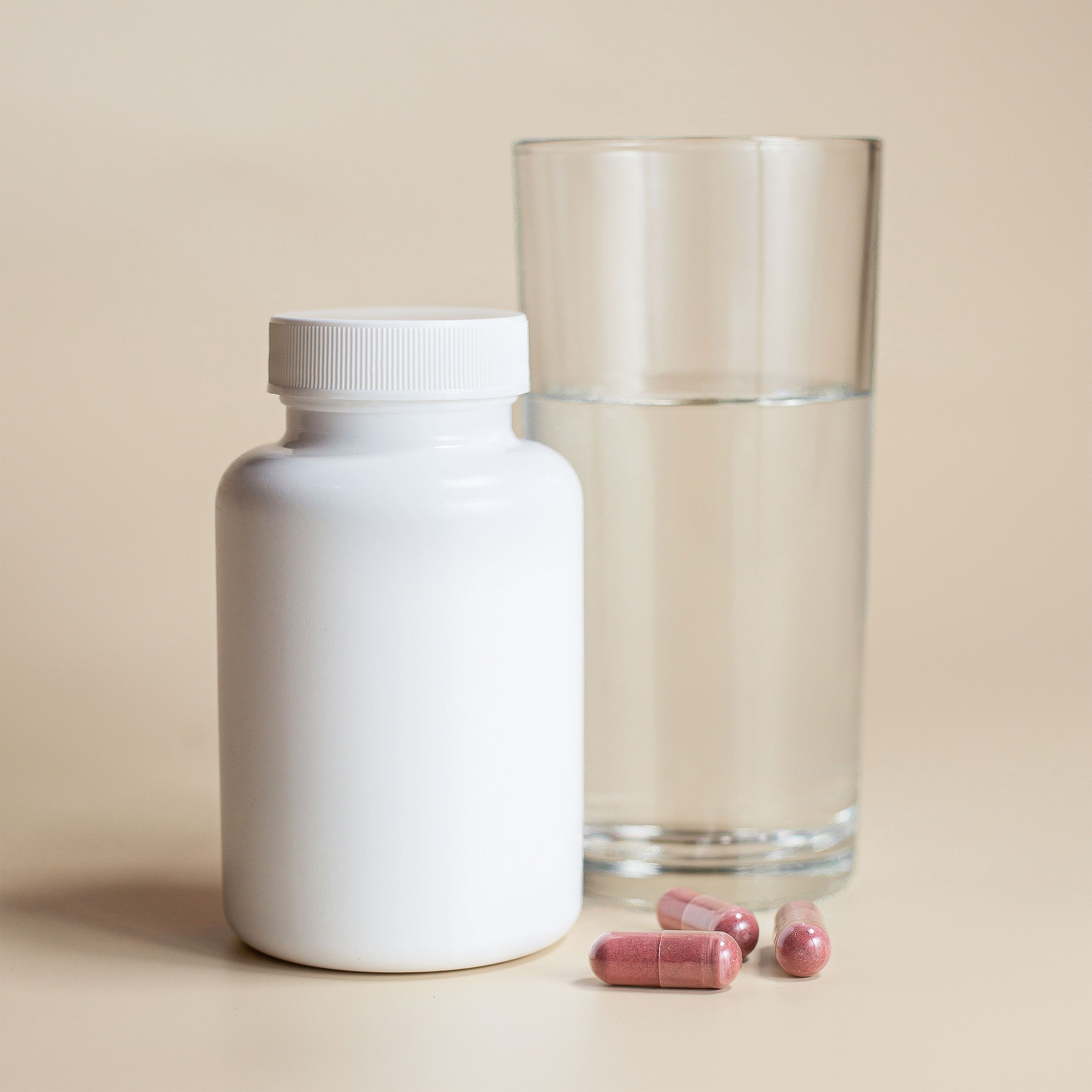
The answer can be summed up in one number. Astaxanthin is 6,000 times more powerful than vitamin C in terms of antioxidant capacity, according to measurements published in the journal Marine Drugs. It's enormous. It neutralizes the free radicals much more effectively than vitamin E or beta-carotene.
What makes it unique is its molecular structure. It works on both sides of the cell membrane at the same time. No other carotenoid does that. The result: 360-degree cellular protection against oxidative stress.
💡 Oxidative Stress, ...this imbalance between the free radicals produced by our bodies and our bodies’ ability to neutralize them. It accelerates aging, promotes inflammation, and weakens cells over the long term. Astaxanthin is one of the few active ingredients capable of combating this process so effectively.
And that's not all. Unlike beta-carotene, astaxanthin never becomes a pro-oxidant. It remains beneficial even at high doses. This is a major advantage over other antioxidants.
What are the benefits of astaxanthin for the skin?
That's often when my clients are most impressed. Astaxanthin acts directly on the skin aging. It improves the’skin elasticity, reduces the depth of wrinkles and protects collagen fibers from UV damage.
A study published in the journal Cosmetics has shown that supplementation with 4 mg per day for 6 weeks visibly reduced dark spots and improved skin texture. These results are real—not just marketing hype.
- Wrinkle Reduction and superficial fine lines
- UV Protection and photo-induced damage
- Improved Hydration and firmness
- Reduction in brown spots related to sun exposure or age
What I love is that astaxanthin works from the inside out. No need to layer on ten different creams. A good dietary supplement with the right dosage, and your skin really feels the difference.
Astaxanthin and Athletic Performance: A Proven Ally
Now let's talk about something that's very close to my heart: the athletic performance and endurance. And that's where astaxanthin really comes into play.
Research conducted at Linköping University in Sweden has shown that astaxanthin reduces muscle damage caused by intense exercise. It reduces markers of’chronic inflammation post-workout and speeds up recovery. My athletic clients who have tried it have reported less muscle soreness and improved endurance within the first few weeks.
🏃 In a study published in Biological & Pharmaceutical Bulletin, cyclists who took astaxanthin supplements for 28 days improved their pedaling power of 15 % compared to the placebo group. That figure speaks for itself.
Astaxanthin protects the mitochondria, the tiny energy-producing powerhouses within cells. The result: more available energy during exercise and less accumulated fatigue. For someone who exercises regularly, this is a tangible benefit.
Does this replace training?
No, of course not. A supplement can never replace physical exercise. But when used to support a serious exercise program, astaxanthin can really make a difference in recovery and session duration.
Eye and cardiovascular health: two benefits that are far from trivial
Beyond muscles and skin, astaxanthin affects organs that we don't often think about.
Visit eye health, she crosses the blood-brain barrier and the blood-retinal barrier—something most antioxidants cannot do. It thus directly protects the cells of the retina against oxidative stress. Studies show a preventive effect on the age-related macular degeneration (AMD), the leading cause of blindness in people over 50.
On the cardiovascular, astaxanthin improves the lipid profile. It reduces oxidized LDL—the «bad» oxidized cholesterol that clogs arteries—and improves blood circulation. A review published in Nutrients confirms its beneficial effect on the cardiovascular health as part of a regular supplementation regimen.
An active ingredient that crosses biological barriers
The ability to cross the blood-brain barrier is rare. This means that astaxanthin also protects the brain. Preliminary research suggests it may play a role in preventing age-related cognitive decline. This is a promising avenue of research.
Natural vs. Synthetic Astaxanthin: Don't Choose the Wrong Product
That's what really annoys me. A lot of supplements sold online contain’synthetic astaxanthin, produced in a laboratory from petrochemicals. And manufacturers aren't exactly shouting it from the rooftops.
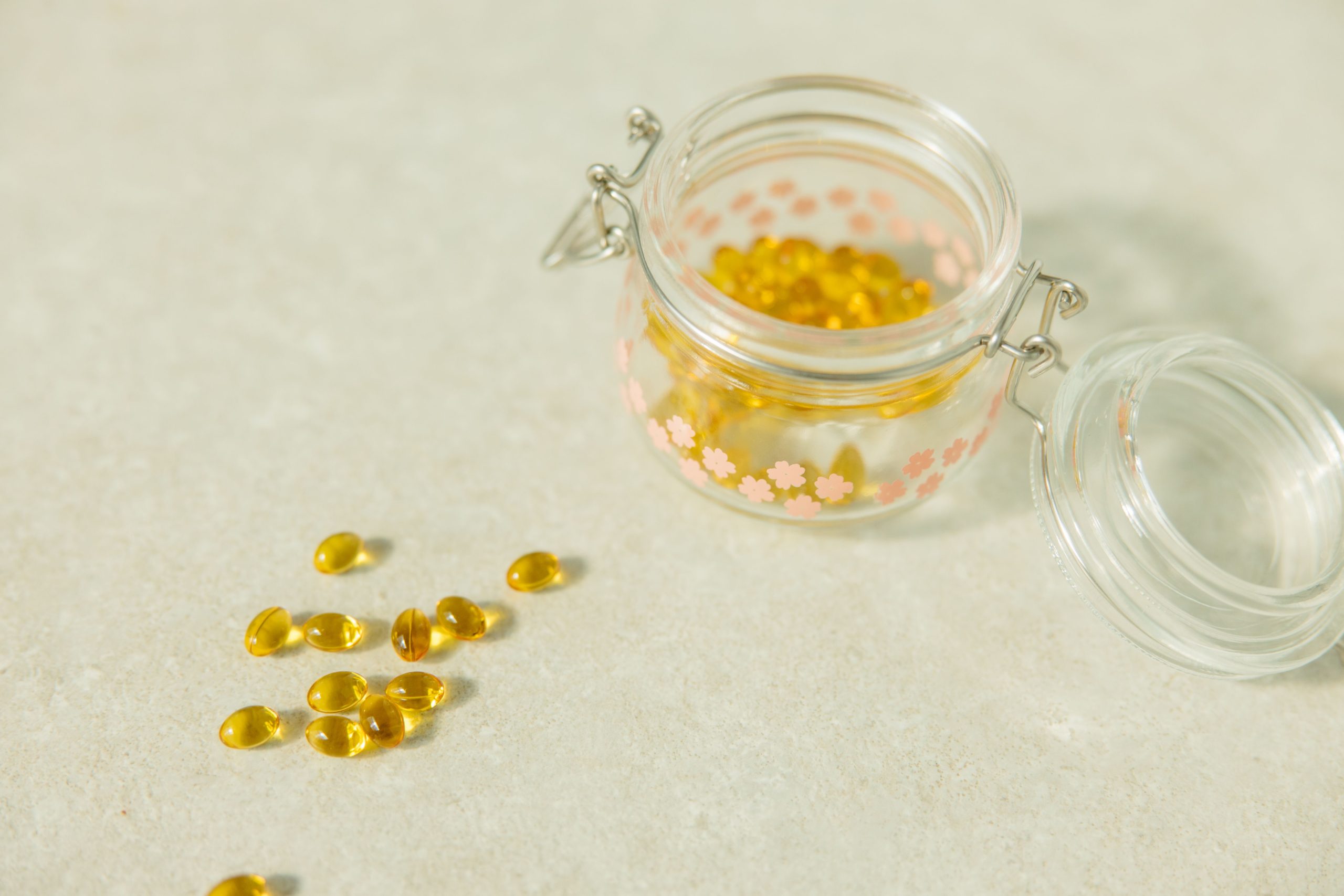
The difference between Natural vs. Synthetic Astaxanthin is, however, massive. Natural astaxanthin, extracted from algae Haematococcus pluvialis, contains a specific molecular form (3S,3’S) that is much more easily absorbed by the body. Its antioxidant activity is 20 to 50 times higher compared to that of the synthetic version, according to comparative analyses published in Journal of Functional Foods.
✅ Always read the label. A good product clearly states «extract of Haematococcus pluvialis«. Brands like AstaReal and Nutrex Hawaii focus on certified natural astaxanthin. If the source isn’t listed, steer clear.”.
What is the recommended dosage for taking astaxanthin as a dietary supplement?
The question of Dosage of the dietary supplement comes up often. Here's what reputable studies say.
| Objective | Recommended dosage | Minimum duration |
|---|---|---|
| Skin Health | 4 mg/day | 6 to 8 weeks |
| Athletic Performance | 8 to 12 mg/day | 4 to 8 weeks |
| Eye Health | 6 mg/day | At least 8 weeks |
| General antioxidant | 4 to 6 mg/day | Continuous |
Always take it with a meal that contains healthy fats. Astaxanthin is fat-soluble: without fat, your body absorbs it much less effectively. Avocados, olive oil, eggs… they’re the perfect pairing. In fact, if you regularly eat marine products such as krill oil, you're already getting a natural source of astaxanthin.
Consult your doctor before taking any supplements if you are pregnant, if you are taking blood thinners, or if you are currently undergoing treatment. This is mandatory, not optional.
Astaxanthin really deserves a place in your routine. Choose a certified natural source. Haematococcus pluvialis, take it with some fat at every meal, and take it regularly for at least 6 weeks to feel the effects. The Benefits of Astaxanthin on the skin, the eyes, muscle recovery, and neutralization of free radicals are well-documented and real. Give it a thorough try, and let me know how it goes!