English
  French
  Spanish
  German


What You Need to Know About Cooking Beef Steaks
Key Takeaways
- Take the roast out of the refrigerator 1 hour before cooking to ensure the meat cooks evenly and turns out tender.
- According to Interbev, 68% of French people consider cooking red meat to be the most challenging step
- Use a cast-iron skillet and clarified butter to get a perfect crust without burning it
- Letting the meat rest for 5 minutes reduces juice loss by 40% when sliced
- Cooking times range from 1 minute (blue) to 4 minutes (medium) per side, depending on your preference
A poorly cooked beef steak is a total waste. You paid top dollar for a beautiful cut, and you turn it into a dry, gray piece of meat. The Cooking Beef Steaks follows specific rules, and once you know them, you'll never mess up a song again.
The secret? Meat at room temperature, a sizzling hot skillet, and precise timing. Add to that a good rest period after cooking, and you’ll get a result worthy of a restaurant. It’s not rocket science, but it’s small but important details make all the difference.
According to a study by the Interprofession Bétail et Viande (Interbev), 68% of French people consider cooking red meat to be the trickiest step in a homemade recipe. No wonder, given the number of failed steaks every year! 🔥
Which cut of beef should you choose for perfectly cooked beef steaks?
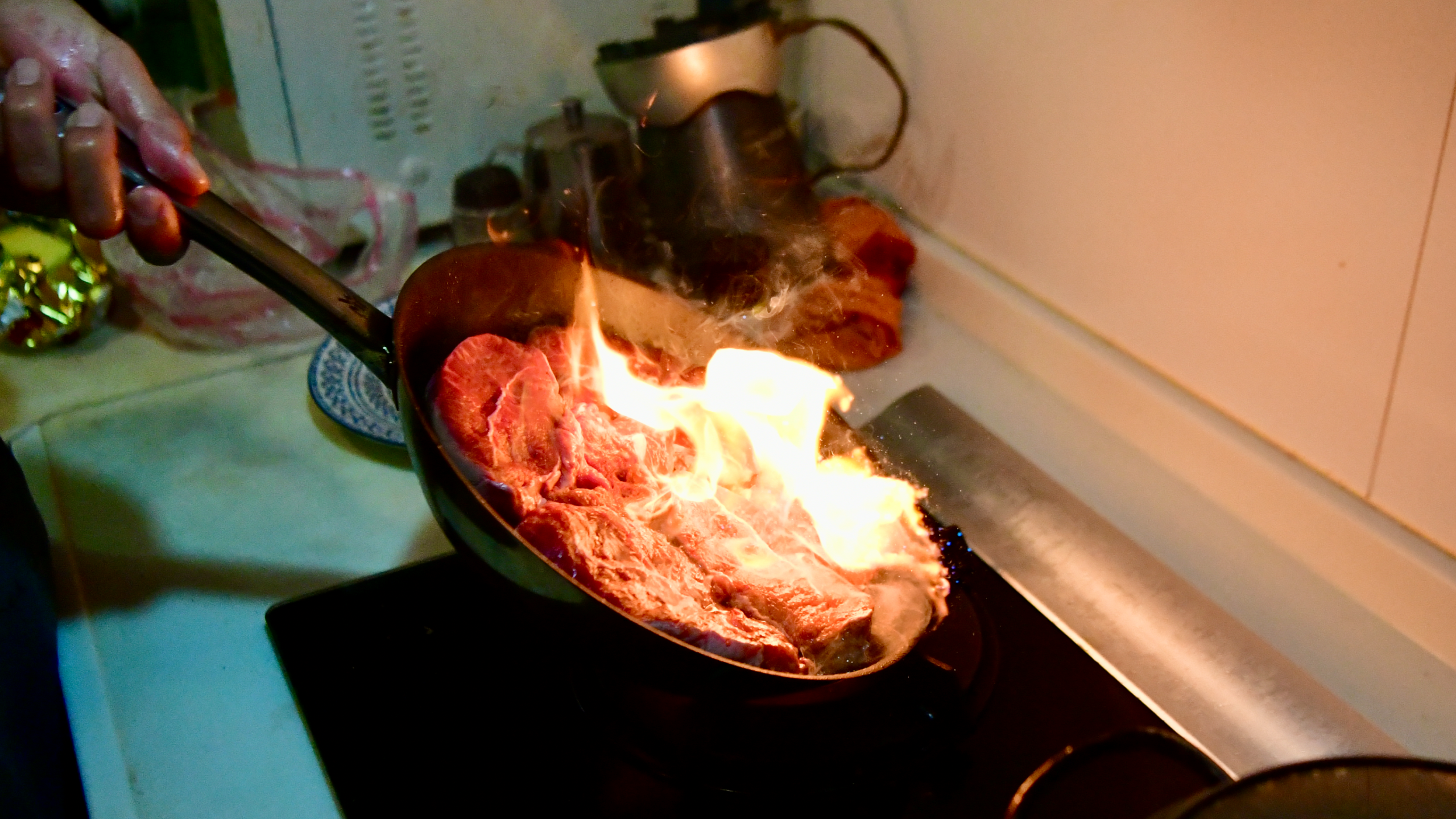
Not all songs are created equal. The ribeye steak remains an accessible, tender, and flavorful classic when cooked just right. The ribeye, on the other hand, is appealing for its marbling, which gives it a melt-in-your-mouth texture.
L'entrecôte is my absolute favorite. Its intramuscular fat melts during cooking and infuses the entire cut with flavor—it's truly amazing. The flap, on the other hand, needs to be cooked quickly over high heat to stay tender; otherwise, it becomes rubbery.
- Rib-eye steak : lean, economical, quick to cook
- Ribeye : parsley-flavored, flavorful, versatile
- Entrecôte : rich and melt-in-your-mouth, intense flavor
- Bavette : fibrous, bleeds better
How do you properly prepare meat before cooking?
Does the bib need a little help? A marinade A marinade made with oil, garlic, and herbs works wonders. Allow at least thirty minutes for the flavors to really soak into the meat.
Always take your steak out of the refrigerator one hour before cooking. Meat that’s cold in the center doesn’t cook properly and becomes tough on the outside while the inside remains frozen. This is THE mistake I see most often among my clients who are just starting out in the kitchen.
Pat the meat dry with paper towels before seasoning it with salt. The Guérande salt It adds a crunchy texture and a distinctive mineral flavor that’s incomparable to regular fine salt. Season with salt right before cooking—never hours in advance—or the meat will release its juices.
What is the best way to cook beef steaks?
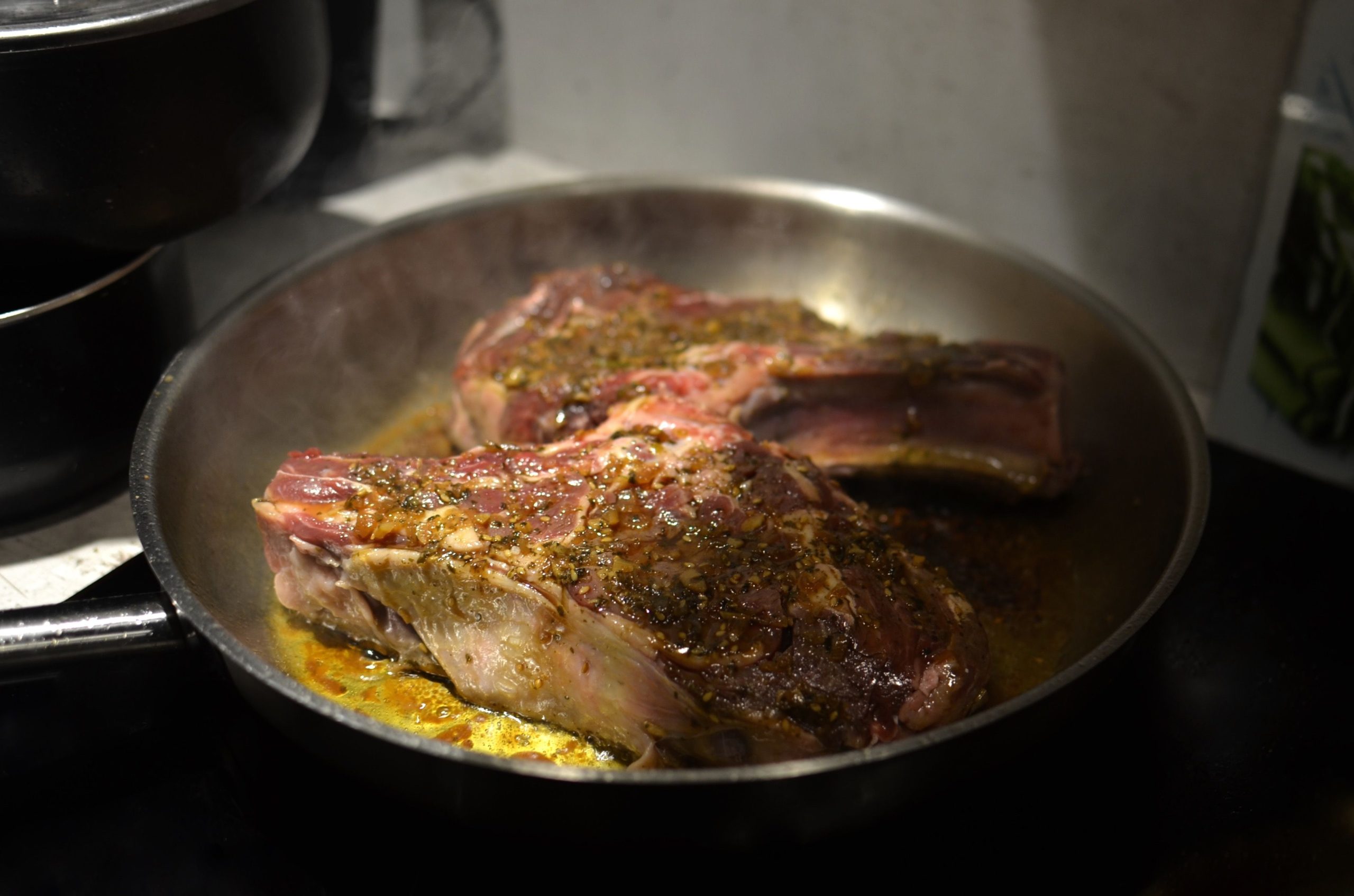
Visit cast-iron skillet is the perfect choice for a perfect crust. It retains heat and distributes it evenly, unlike thin skillets, which cool down as soon as you place the meat in them.
Use clarified butter to sear your steak. Unlike regular butter, it doesn't burn and can withstand high temperatures without turning black. Add a drizzle of neutral-flavored oil to prevent it from sticking.
Cooking times based on the desired level of doneness
It all depends on your taste, and there's no right or wrong answer here. The blue requires very little data entry—barely a minute per side. The bleeding Cook for two to three minutes per side, depending on thickness.
For meat just right, allow four minutes per side. Any longer than that, and the meat will lose its juices and become dry—which would be a real shame for such a beautiful cut. Here’s a summary chart so you’ll never get it wrong again:
| Cooking | Time per side | Core Temperature |
|---|---|---|
| Blue | 1 minute | 45–50°C |
| Bleeding | 2–3 minutes | 50–55°C |
| Just right | 4 minutes | 58–62°C |
Visit meat thermometer It’s still the most reliable tool for avoiding unpleasant surprises. Place it in the center of the paving stone and trust the numbers rather than your instincts. That’s THE little coaching secret I share with everyone!
Why is letting meat rest so important?
People often skip this step, and that's a big mistake. The meat rest allows the fibers to relax and the juice to distribute evenly throughout the block.
Let it rest for a good five minutes under aluminum foil, away from the hot skillet. Without this resting period, all the juices will escape as soon as you cut into it, and your plate will turn into a reddish puddle. Honestly, it really annoys me to see recipes that completely skip this step.
According to data from the Institut de l’Elevage, meat that has been properly aged loses up to 40% less juice when carved than meat that is cut immediately. Impressive, isn’t it? ✅
How can you make your beef steak even more delicious with the right seasonings?
Once you've mastered the cooking process, it's time to focus on the flavors that really hit the spot. The Sichuan pepper adds a slightly spicy and floral note—it's really unique compared to classic black pepper.
Visit pepper sauce remains a timeless classic, and for good reason: it enhances any dish without altering its natural flavor. Deglaze your pan with a little cream and cognac to capture all the cooking juices—it’s really awesome as a technique.
An IFOP survey reveals that 54% of French people consider the sauce to be the element that makes all the difference in a red meat dish.
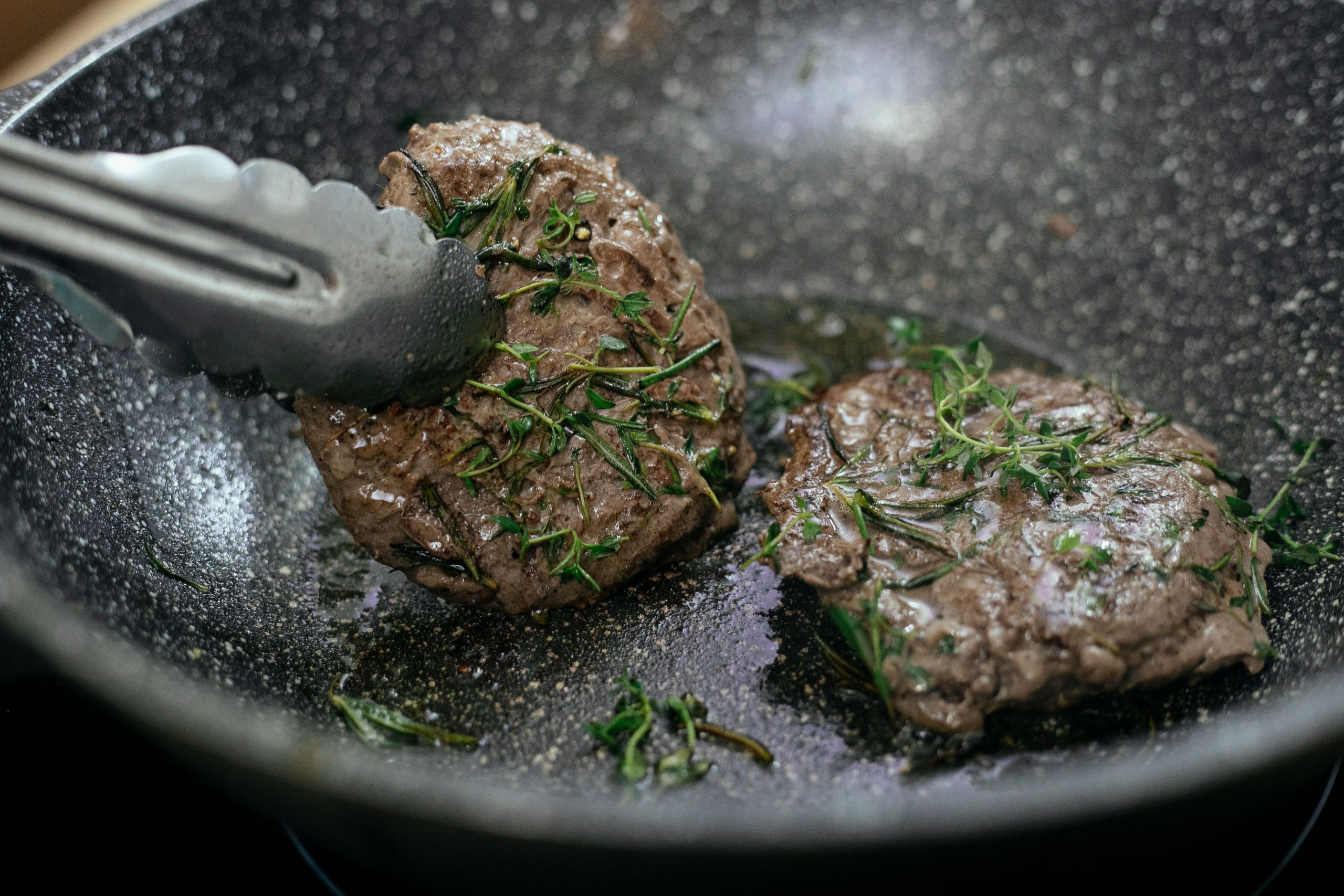
Don't be afraid to experiment with fresh herbs, such as thyme or rosemary, infused in the cooking butter. This kind of a small change It completely transforms a basic dish into a meal worthy of a chef!
For a successful Cooking Beef Steaks, remember the key point: meat at room temperature, cast-iron skillet well-heated, and above all, be sure to follow the meat rest before cutting. These three simple steps make all the difference.