English
  French
  Spanish
  German


What You Need to Know About Lower Back Strength Training
Key takeaways:
- According to the French National Health Insurance, one in two people with low back pain experiences a recurrence within a year, but 70% of these cases can be prevented through targeted strengthening exercises
- According to the American Council on Exercise, regular lumbar hyperextension reduces chronic pain by 60% in 8 weeks
- Visible results appear within 4 to 6 weeks with regular practice that combines hyperextension and core strengthening exercises
- According to the French Society of Sports Medicine, a properly performed deadlift strengthens the lower back without increasing the risk of injury
One in two people with lower back pain experiences a relapse within a year, according to data from the French national health insurance system. The reason? Lower back muscles that are never really exercised, only treated when they hurt. The Lower Back Strength Training It's not just for bodybuilders—it's essential for the health of your spine every day.
With my clients, it’s often the same story: chronic back pain, days spent sitting, and no back muscle strengthening at all. The result? The paravertebral muscles atrophy, and even the slightest strain becomes a risk for lumbago. The good news is that it gets fixed pretty quickly with the right exercises.
According to a study by Inserm, 70% of adults will experience an episode of low back pain at some point in their lives. That’s a staggering number—and yet, in most cases, it’s entirely preventable through targeted strengthening exercises.
Why Does Strengthening Your Lower Back Make All the Difference?

Your lower back muscles are part of a muscle group called the erector spinae. These muscles stabilize your spine with every movement, from something as simple as bending over to lifting the heaviest deadlift. Without them, your posture would literally collapse!
Chronic back pain? Weak lower back muscles. It’s really that simple in 8 out of 10 cases I come across in my coaching.
What I love about strengthening the lower back is that you see results quickly: better posture, less tension, and a stronger core. And honestly, who wouldn't want to stand up straight without even thinking about it?
The Underestimated Role of the Abdominal Muscles
We too often forget that the back and the core work together. A weak core forces your lower back to compensate for everything. That’s the number one mistake I correct with my clients during remote coaching sessions.
What exercises are effective for strengthening your lower back?
Let's get down to business, because that's what you came here for. Here are the exercises that really work—they've been tested and proven effective with my clients for years.
- Superman : Lying on your stomach, lift your arms and legs at the same time. Simple, but incredibly effective for targeting the paraspinal muscles.
- Lumbar Extension On a Roman chair: the undisputed classic for building strength throughout the lower back.
- Hello (or «good morning»): a forward bend that puts pressure on the shoulders, perfect for deep strengthening.
- The Deadlift : the king of multi-joint exercises, but it must be performed with flawless technique.
The Roman Chair: Your Best Friend for Hyperextension
The Roman chair is still my the perfect ally to safely work on your hyperextension. You don't need a fully equipped gym: a foldable model for home use is more than enough.
Do 3 sets of 12 repetitions, twice a week. Starting with your very first sessions, you'll notice a difference in your overall posture.
A study published by the American Council on Exercise shows that regular lumbar hyperextension reduces chronic pain by 60% in participants over an 8-week period. 📈
How Can Core Strengthening Help Prevent Back Pain?
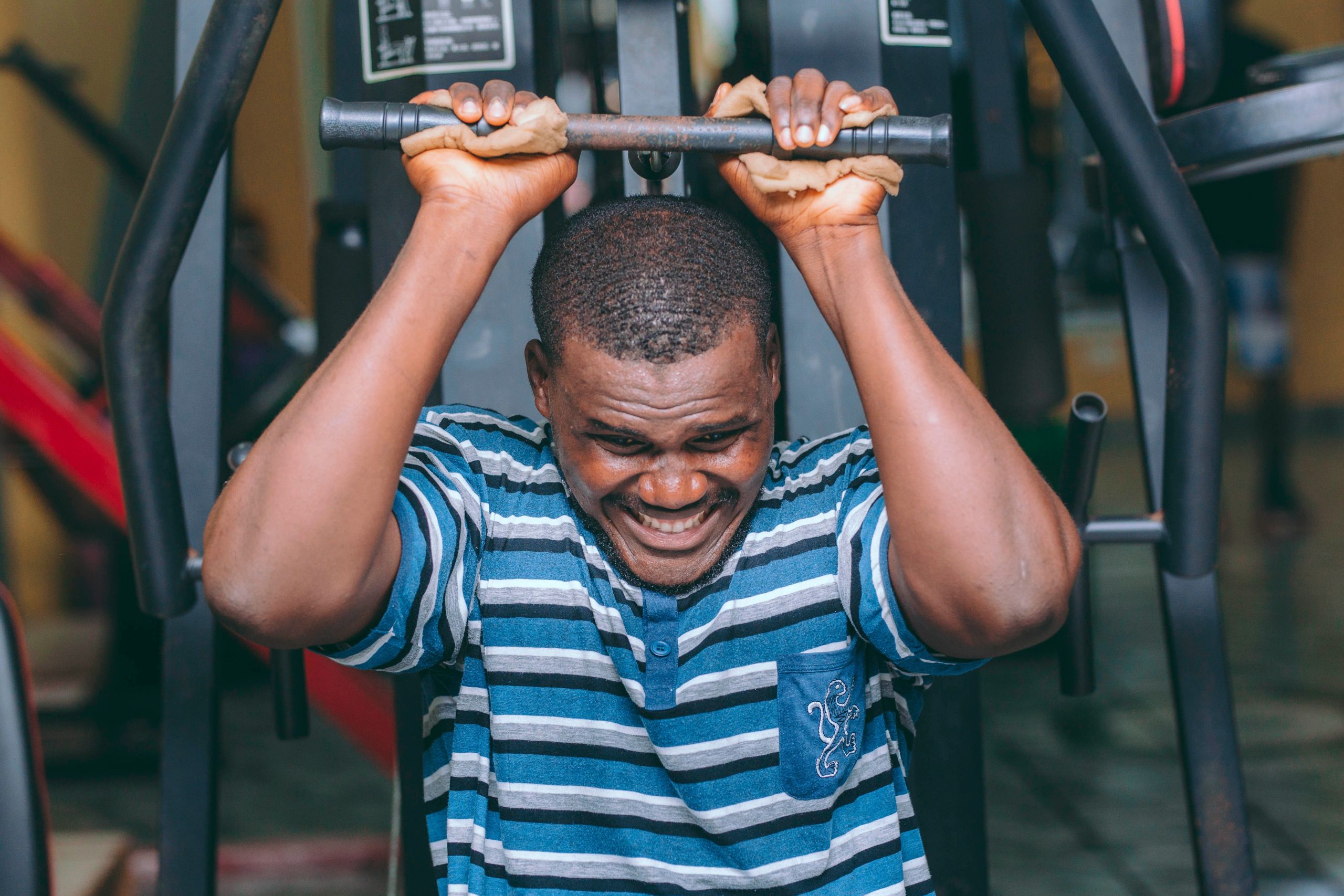
Hyperextension alone isn't enough; you need to supplement it with core exercises. This is the winning combination that I always recommend for comprehensive back muscle strengthening.
Core exercises stabilize your spine in all its forms. Classic plank, side plank, dynamic core exercises: mix it up to keep things interesting!
| Exercise | Targeted Muscles | Recommended frequency |
|---|---|---|
| Superman | Erector spinae, glutes | twice a week |
| Plate | Abdominal and lumbar straps | 3 times a week |
| Lumbar Extension | Paravertebral muscles | twice a week |
| Deadlift | Complete posterior chain | 1 to 2 times/week |
And here’s a little coach’s secret: varying the angles of your core exercises also works your obliques. This provides even better protection for your spine against improper movements in everyday life.
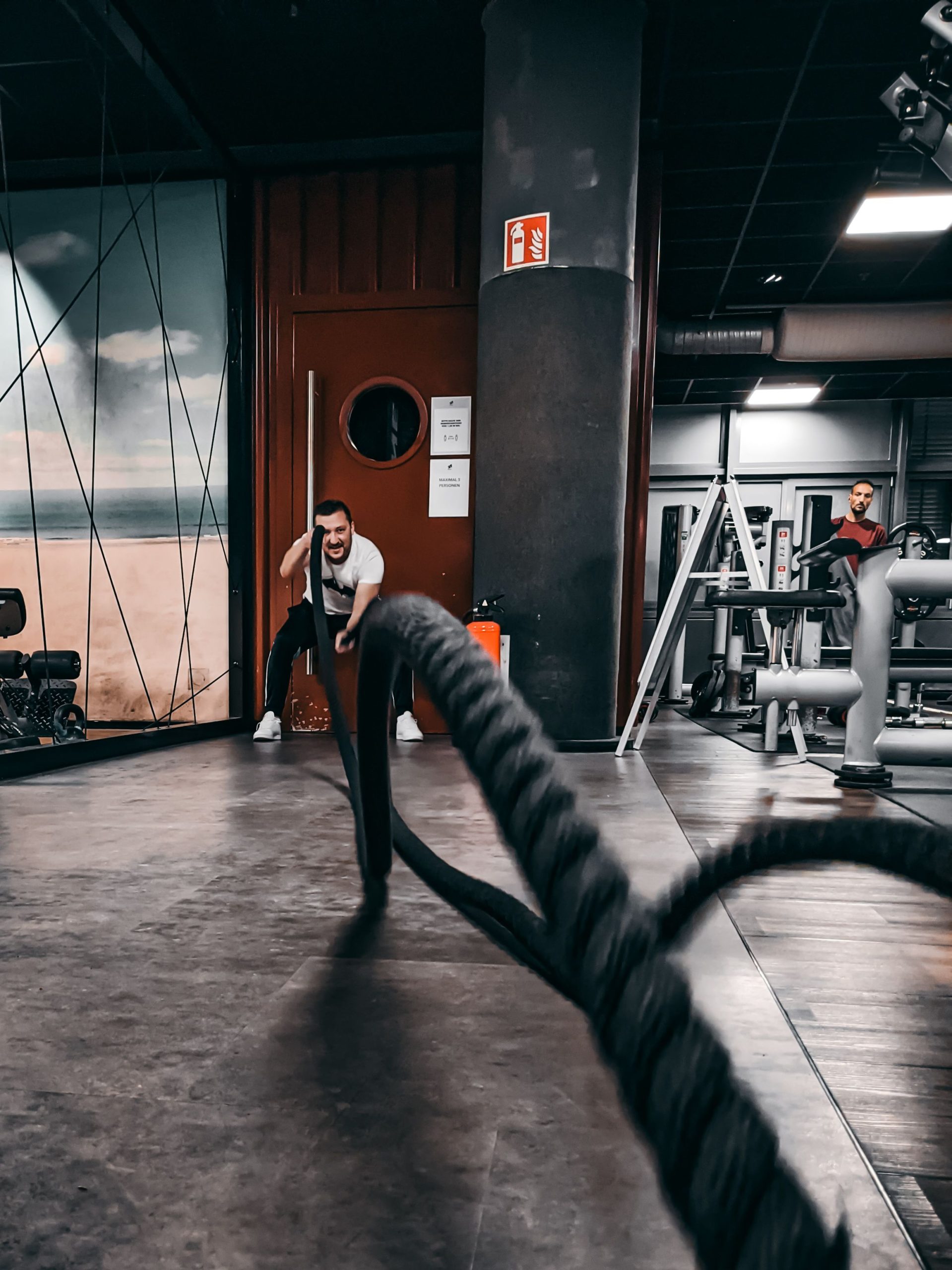
Should you be worried about the deadlift affecting your lower back?
That’s THE question people ask me all the time. Does deadlifting cause back pain? It’s something to worry about—but most of the time, that worry is unfounded.
The real danger isn't the exercise itself—it's poor form. A rounded back and lifting too much weight too quickly: that's what causes lower back pain, not the movement itself.
I see so many people avoiding the deadlift out of fear, even though it’s actually the exercise that best builds strength in the entire posterior chain. It really annoys me, because by avoiding this exercise, they perpetuate their vulnerability instead of addressing it. It’s a bit like refusing to Relieve sciatica in 60 seconds out of unfounded fear.
According to the recommendations of the French Society of Sports Medicine, a properly performed deadlift strengthens the lower back without increasing the risk of injury, contrary to popular belief. 💪
The Most Common Posture Mistakes
A rounded back during the exercise, a chin that juts forward, and the weight too far from your body: these are the three classic pitfalls. Always correct your form before adding weight.
Film yourself if you need to! It might seem silly, but it helps you spot right away the mistakes that trouble so many beginners.
How long does it take to see results in the lower back?
A legitimate question, a simple answer: allow 4 to 6 weeks to notice a real difference. Consistency is far more important than intensity for this type of strength training.
My clients generally notice a significant improvement in their posture by the third week. Back pain decreases, their core strengthens, and their confidence follows. Some also notice an improvement when they follow the Home Remedies for Knee Osteoarthritis, because a stronger body overall is better able to withstand joint problems.
Avoid lifting weights that are too heavy at the start of the program. Consult a professional if the pain persists beyond a few sessions—you don't want to take chances with your spine. Solutions such as to find out how long it takes for the pain to go away after an injection You might also be interested in these if you're considering complementary treatments.
Remember the basics: strengthen your erector spinae with the Superman and hyperextension exercises, combine that with solid core training, and never shy away from deadlifts out of unfounded fear. Strengthening your lower back can’t wait—and neither can your spine. Get started today—your back will thank you! 👍