 English
  French
  Spanish
  German


✓ News to remember
- The sciatic nerve affects 10 to 40% of the population at some point in their lives, with a herniated disc causing 85 % cases
- Quick fixes like the pain-relief position and piriformis stretches can reduce pain by less than 60 seconds
- Sciatica lasts an average of 6 to 12 weeks with appropriate treatment, but up to 30% of patients relapse within 12 months without prior notice
- Cold therapy is recommended for acute phase (first 48 hours) while heat is more effective at chronic phase
- Less than 10 % for sciatica require surgery, according to the French Society of Spinal Surgery
What exactly is sciatica?
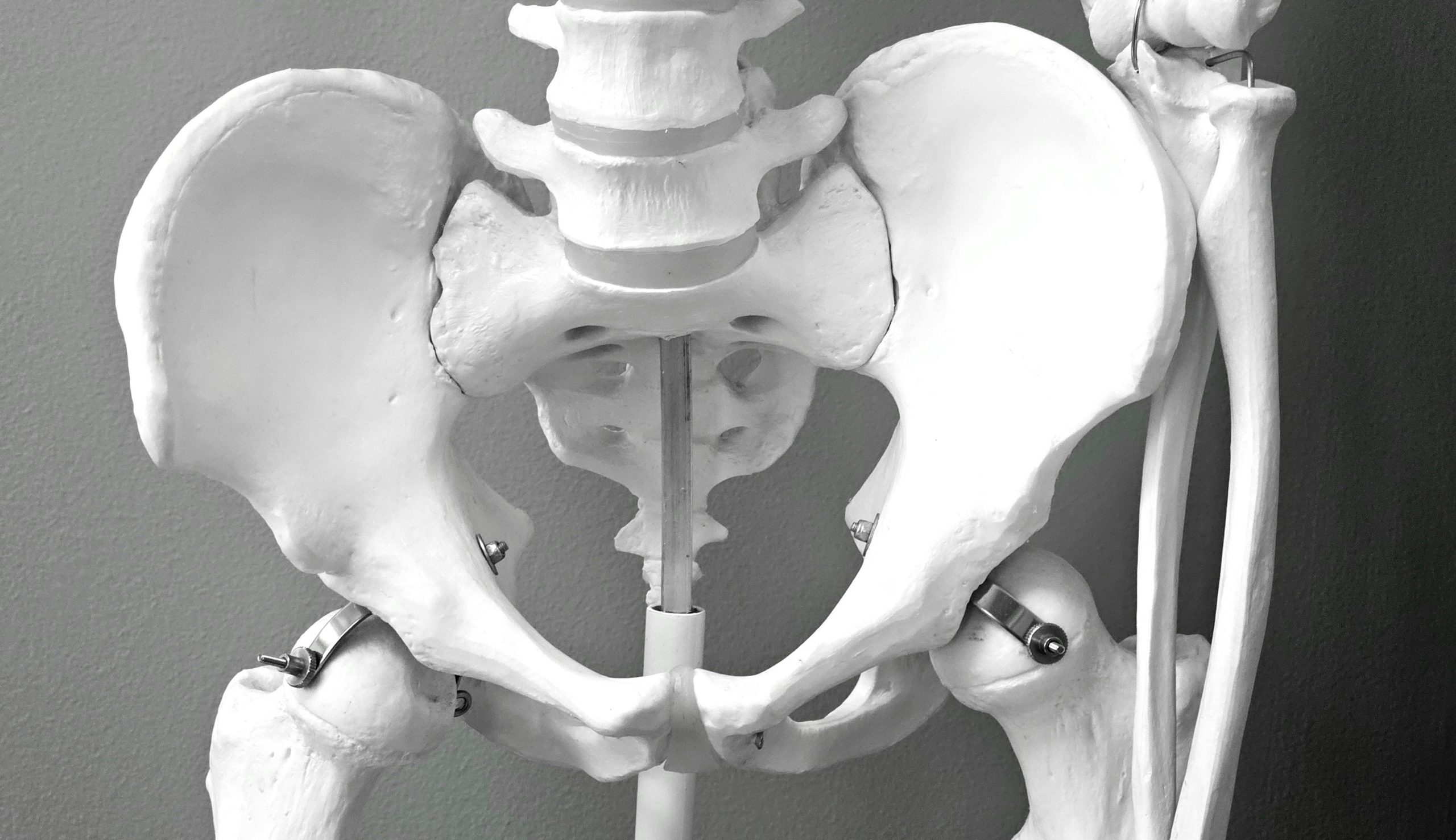
Visit sciatic nerve is the longest nerve in the human body. It starts at the lower back, runs through the buttocks, down the leg, and all the way to the foot. When it’s compressed or irritated, the pain can be absolutely excruciating—and I mean that!
Sciatica affects approximately 10 to 40% of the population at some point in their lives. It’s widespread. And there are many causes: herniated discs (responsible for 85% of cases), piriformis syndrome, lumbar osteoarthritis, or even repeated poor posture in daily life.
Typical symptoms
Do you feel pain that starts in your lower back and radiates into your buttock, thigh, and sometimes down to your calf or foot? This is a classic sign of sciatica. It may be accompanied by tingling, a burning sensation, or even muscle weakness in the leg.
💡 The sciatic nerve is involved in nearly 40 % lower back pain chronic pain. Even slight compression can cause intense pain that radiates down to the foot.
Can sciatica really be relieved in 60 seconds?
Let's be honest: you can't cure sciatica in a minute. But you can significantly reduce pain in just a few seconds using targeted techniques. That’s exactly what I’m going to show you!
The idea is to quickly relieve tension in the sciatic nerve through pain-relieving positions, acupressure points, or quick stretches. These methods are not a substitute for long-term treatment, but they can make a huge difference during an acute flare-up.
Quick Tips for Fast Relief from Sciatica
The Pain-Relieving Position in 30 Seconds
This is my number one tip! Lie on your back and place a pillow under your knees, which should be bent at a 90-degree angle. This position relieves pressure on the sciatic nerve in just a few seconds. You can also lie in the fetal position on the side opposite the pain.
While standing, try leaning forward slightly and placing your hands on a table. This lumbar decompression provides instant relief in many cases.
Stretching the piriformis muscle
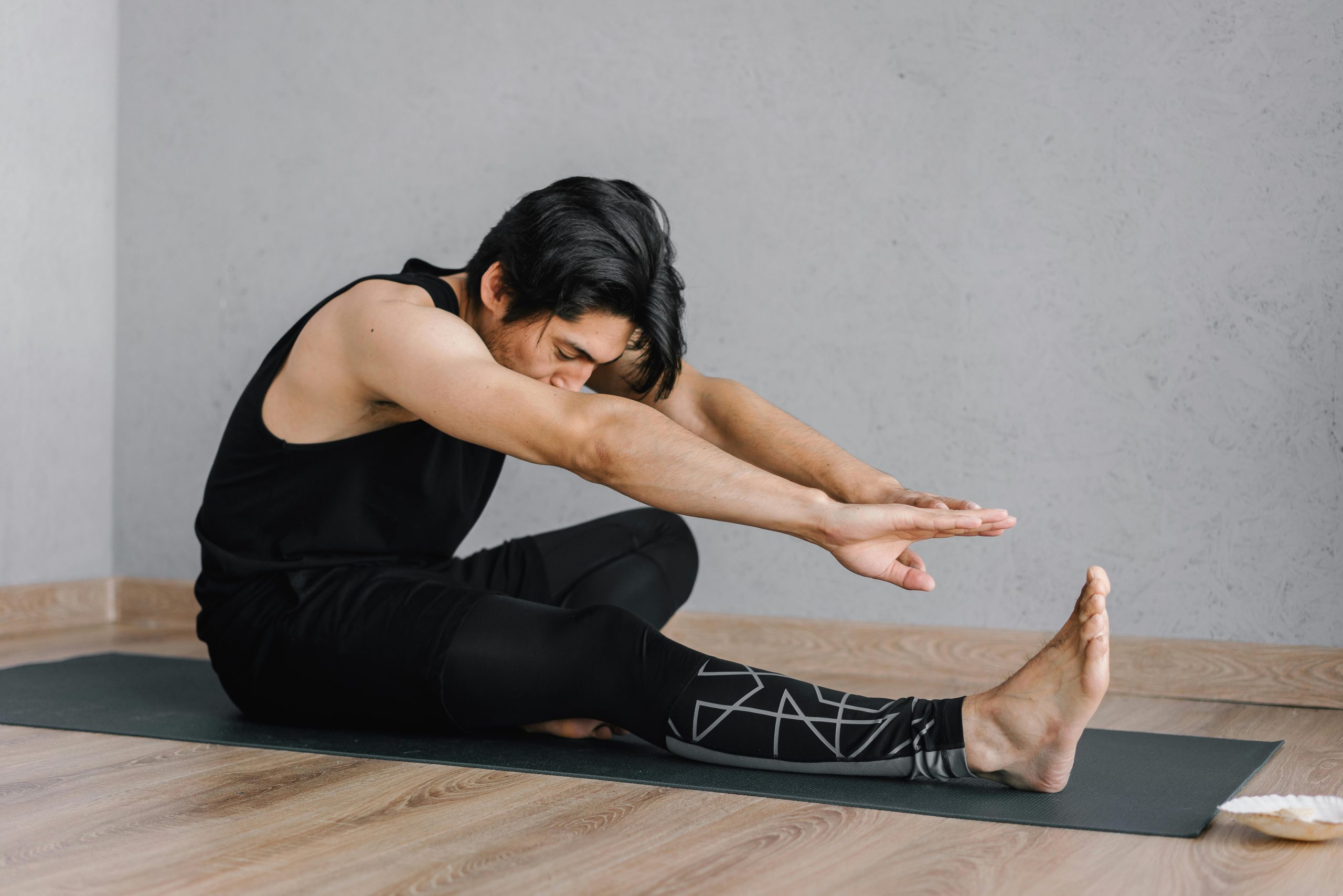
Visit piriformis muscle is often the main culprit in sciatica. Lie on your back and cross the painful leg over the other knee (like the «4» position). Gently pull it toward you. You should feel a deep stretch in your glute. Hold for 30 to 60 seconds—and there you go!
The Pigeon Pose (Simplified Version)
Inspired by yoga, this pose is incredibly effective for relieving sciatic pain. Kneel down, bring one knee forward at an angle, and stretch your back leg. If this is too intense, do a gentler version lying on your back. Just 60 seconds is enough to feel real relief!
Acupressure points
Acupressure can relieve pain in less than a minute. The GB30 point, located in the crease of the buttock (roughly halfway between the tailbone and the greater trochanter), is particularly effective. Press with your thumb for 30 to 60 seconds, using slow circular motions. The results are amazing!
Breathing for Pain Relief
It may sound surprising, but deep abdominal breathing reduces muscle tension around the sciatic nerve. Breathe in slowly for 4 seconds, hold your breath for 2 seconds, and breathe out for 6 seconds. Repeat 3 to 4 times. It’s simple, effective, and it really works.
✅ Piriformis muscle stretching and the pain-relieving position are the two quickest techniques for Relieve sciatica in less than 60 seconds during an acute crisis.

Hot or cold: which is better for relieving sciatic pain?
This question comes up all the time! And the answer depends on the stage of your sciatica.
- Acute phase (first 48 hours) : Apply cold (an ice pack wrapped in a cloth) for 15 minutes every 2 hours. This reduces inflammation.
- Chronic phase : Heat is your friend. A heating pad or hot water bottle placed on your lower back can help relax tight muscles and improve blood flow around the sciatic nerve.
Alternating between hot and cold can also be very effective for chronic pain. It’s a simple method that I often recommend to my clients!
What treatments are available for persistent sciatica?
Medications
As a first-line treatment, acetaminophen (up to 3 g/day for adults) is recommended by the French National Authority for Health (HAS). If this is insufficient, nonsteroidal anti-inflammatory drugs (NSAIDs) such as ibuprofen may be prescribed. In severe cases, oral corticosteroids or epidural injections may be considered.
Physical Therapy and Osteopathy
A program for physical therapy rehabilitation remains the gold standard for long-term treatment of sciatica. The physical therapist focuses on improving lumbar mobility, strengthening the core stabilizing muscles, and stretching the hamstrings. Osteopathy can also provide significant relief, particularly in cases of piriformis syndrome.
When should surgery be considered?
Surgery is considered only as a last resort: progressive neurological deficits, incontinence, or failure to respond after 3 months of properly administered medical treatment. According to data from the French Society of Spinal Surgery, less than 10% of sciatica cases require surgery.
Postures to Adopt (and Those to Avoid) in Daily Life
Sleeping Well with Sciatica
Your sleeping position has a direct impact on nighttime pain. Sleep on your back with a pillow under your knees, or in the fetal position with a pillow between your knees. Both of these positions reduce pressure on the sciatic nerve.
Proper sitting posture
When sitting, keep your feet flat on the floor, your knees at a 90-degree angle, and your back well supported. Avoid sitting for more than 30 to 40 minutes without getting up. Seats that are too soft or too low are bad for your lower back! If you also have pain in your thigh, you may have a cruralgia, which is a condition similar to sciatica. The same principles of posture apply.
Actions to Avoid During a Crisis
During an acute episode, avoid bending forward at the waist (such as picking something up off the floor without bending your knees), sudden twisting movements, and sitting or standing in one position for too long. These actions increase pressure on the nerve.
How can you prevent a recurrence?
Sciatica typically lasts 6 to 12 weeks if properly managed. However, without preventive measures, relapses are common—up to 30% of patients experience a relapse within 12 months, according to some studies.
To avoid that, here’s what I recommend:
| A good habit | Why it works |
|---|---|
| Strengthen your back and abdominal muscles | Stabilizes the lumbar spine and protects the sciatic nerve |
| Stretch your hamstrings and piriformis regularly | Reduces tension around the nerve |
| Walk for 30 minutes a day | Improves blood flow and maintains lumbar mobility |
| Improving Your Posture at the Office | Prevents chronic compression of the intervertebral disc |
| Maintain a healthy weight | Reduces the mechanical stress on the spine |
And yes, weight does play a role! Excess body weight increases pressure on the intervertebral discs and can trigger sciatica flare-ups. This is something I often discuss with my clients as part of their fitness program. 😊
There are also related neurological conditions such as Arnold's neuralgia, which affects the cervical nerves, while other problems may manifest as a burning sensation in the feet. It is important to distinguish between these different conditions in order to apply the appropriate treatment.
When should you seek emergency care?
Sciatica is rarely a medical emergency, but there are certain warning signs you should watch out for right away:
If you experience loss of bladder or bowel control, sudden and severe muscle weakness in your leg, or if the pain is unbearable and does not respond to pain medication, go to the emergency room immediately. These symptoms may indicate cauda equina syndrome, a neurosurgical emergency.
Some patients also report a burning sensation in the foot, which may be related to sciatica. If you experience this symptom, consult a healthcare professional to determine whether it is caused by sciatica or by another condition, such as neuropathy. Learn more about Remedies for burning feet.
FAQ — Questions Everyone Asks 🙋
Can you walk with sciatica?
Yes, and it’s actually recommended! Gentle walking helps relieve pressure on the sciatic nerve and maintains mobility. Just avoid walking long distances during the acute phase. A 30-minute walk every day is ideal in the long run.
How long does sciatica last?
In 90% of cases, sciatica resolves within 6 to 12 weeks with appropriate treatment. Sciatica that lasts longer than 3 months is considered chronic and requires specialized care.
Is sciatica different during pregnancy?
Absolutely! During pregnancy, the sciatica is often caused by pressure from the uterus on the nerve or by changes in lumbar posture. Gentle stretching, a lumbar support belt, and prenatal physical therapy are the most appropriate treatments. Avoid taking anti-inflammatory medications without consulting a doctor.
Do natural remedies really work?
Some have proven their worth! Curcumin (the active ingredient in turmeric) has well-documented anti-inflammatory properties. Magnesium helps reduce muscle cramps and tension. And of course, heat, cold, stretching, and acupressure remain reliable daily remedies.
Are there any contraindications to stretching?
Yes! During the acute phase, certain stretches can make the pain worse. If you feel a sharp, shooting pain that gets worse during a stretch, stop immediately and consult a healthcare professional. Always start gently and know your limits!
Frequently Asked Questions About Sciatica
Can sciatica cause headaches or dizziness?
A sciatica severe cases can spread as far as cervical nerves, causing headaches or dizziness in 5 to 10% of patients. This complication, known as Barré-Liéou syndrome, is caused by excessive muscle tension. A osteopath or a physical therapist can relieve these associated symptoms in 3 to 5 sessions.
Is there a link between sciatica and digestive problems?
A herniated disc lumbar region compressing the sciatic nerve can also irritate the splanchnic nerves, which are responsible for the innervation of the digestive system. This explains why 15% of patients report bloating or constipation. A high-fiber diet and gentle stretching can improve these symptoms within 2 to 4 weeks.
Can you drive with acute sciatica?
Driving with a sciatica is not recommended during the acute phase, as the vibrations and prolonged sitting can worsen the nerve compression. Only 20% of patients can tolerate short trips (<30 minutes) avec un lumbar pillow. In cases of muscle weakness, the risk of an accident increases by 40%.
Does sciatica affect sleep quality?
A sciatic pain disrupts sleep in 70% of patients, reducing the duration of deep sleep of 30 %. Pain-relieving positions (lying on the unaffected side, with a pillow between the knees) make it easier to fall asleep. A firm mattress and stretching before bedtime reduces nighttime awakenings by 50% %.
Can shoes make sciatica worse?
From inappropriate shoes (heels >3 cm, worn-out soles) alter posture and increase pressure on the intervertebral disc from 20 %. Look for models with cushioned insole and arch support. Orthotics reduce symptoms in 60% of patients within 6 weeks.


