English
  French
  Spanish
  German


✓ News to remember
- Black radish contains glucosinolates and sulfur compounds that can irritate the gastric mucosa, causing bloating and heartburn
- People suffering from’hypothyroidism or under treatment with levothyroxine should consult their doctor before taking a course of treatment, due to the goitrogens present in black radish.
- Biliary obstruction and gallstones are the most common cause of gallstones. major contraindication - black radish can trigger liver colic
- A course of black radish should not exceed 3 consecutive weeks at a dose of 300-500 mg/day maximum
- Pregnant women, breast-feeding mothers and children under 12 should avoid concentrated forms (juice, capsules).
What exactly is black radish?
Visit black radish (Raphanus sativus var. niger), this root is a little austere on the outside, but frighteningly effective on the inside! Used since ancient times in herbal medicine, it is especially renowned for its draining properties, its action on the liver and its ability to stimulate bile secretion. In a detox cure, it's a real star.
But as with everything, there's a downside. Before you start taking a course of black radish juice or rushing to the chemist's to buy supplements, it's best to be aware of the side effects that can occur. Here's everything you need to know!
💡 Black radish is a medicinal plant recognized for its effects on hepatic drainage and digestion - but it has real contraindications that affect a sizeable proportion of the population.
What are the side effects of black radish?

The good news is that for the majority of healthy people, black radish is well tolerated. But that doesn't mean it's totally free of side effects. Here's what can happen when your intake is too high or ill-adapted to your profile.
Digestive problems happen!
Black radish contains glucosinolates and sulfur compounds (such as raffanine) that can irritate the gastric mucosa. As a result, some people experience bloating, gas, abdominal pain or heartburn.
If you have a sensitive stomach, gastritis or peptic ulcer, this is a warning signal not to be ignored. Raw black radish juice is often more aggressive than standardized tablets or capsules. Start slowly, especially if this is your first treatment!
An overly «boosted» bile action
Black radish is a cholagogue and a choleretic powerful: it increases bile production by the liver and stimulates its emptying into the intestine. This is great for fat digestion... but it can also cause abdominal cramps or diarrhoea if your digestive system is a little fragile.
Is black radish dangerous for the thyroid?
It's a question many people ask, and rightly so! The black radish belongs to the Brassicaceae (such as cabbage, broccoli and turnips). This family contains substances called goitrogens, which can interfere with iodine absorption by the thyroid gland.
To put it plainly: in cases of proven hypothyroidism or levothyroxine-based treatment (Levothyrox®, for example), excessive consumption of black radish could disrupt the proper functioning of your thyroid gland. This is not always the case, but it's best to talk to your doctor before starting a course of treatment.
People affected by hypothyroidism represent around 3 to 5 % of the French population - so it's far from anecdotal!
What are the major contraindications to black radish?
Now we're getting serious. Certain profiles should avoid black radish altogether, or at least never take it without prior medical advice.
Biliary obstruction and gallstones
This is the number-one contraindication. If you suffer from biliary tract obstruction or biliary lithiasis (stones in the gallbladder), black radish is strictly inadvisable. By suddenly stimulating gallbladder contraction, it can trigger a hepatic colic attack or aggravate acute cholecystitis. Not at all what we're looking for!
Black radish and pregnancy: caution is advised
During the pregnancy and breast-feeding, the use of black radish as a concentrated dietary supplement is not recommended by health professionals. Available data are insufficient to guarantee total harmlessness for the fetus or infant. Cooked black radish (in salads or cooked) is quite different from an intensive course of treatment in juice or capsules.
Children and the elderly
Black radish-based supplements are generally not suitable for children under 12. For frail elderly people or those undergoing multiple treatments, a medical consultation is required before any treatment.
Ulcers and gastrointestinal pathologies
In cases of gastric or duodenal ulcer, severe gastroesophageal reflux disease (GERD) or Crohn's disease, black radish's irritating compounds can aggravate inflammation. Better to explore other, gentler alternatives for liver detox.
⚠️ People suffering from biliary obstruction, hypothyroidism, gastric ulcers or pregnancy should avoid black radish cures without medical advice - the side effects can be significant in these cases.
Can you be allergic to black radish?
Yes, even though it's relatively rare, a black radish allergy is possible. It generally manifests itself through the classic symptoms of food allergy: hives, itching, swelling of the lips or throat (angioedema in the most severe cases), or immediate digestive problems.
If you have already reacted to other vegetables in the Brassicaceae (turnip, horseradish, mustard, cauliflower...), be careful with black radish. A cross-reaction is possible. When in doubt, an allergy test with your doctor or allergist is the best option.
Drug interactions: what you need to check
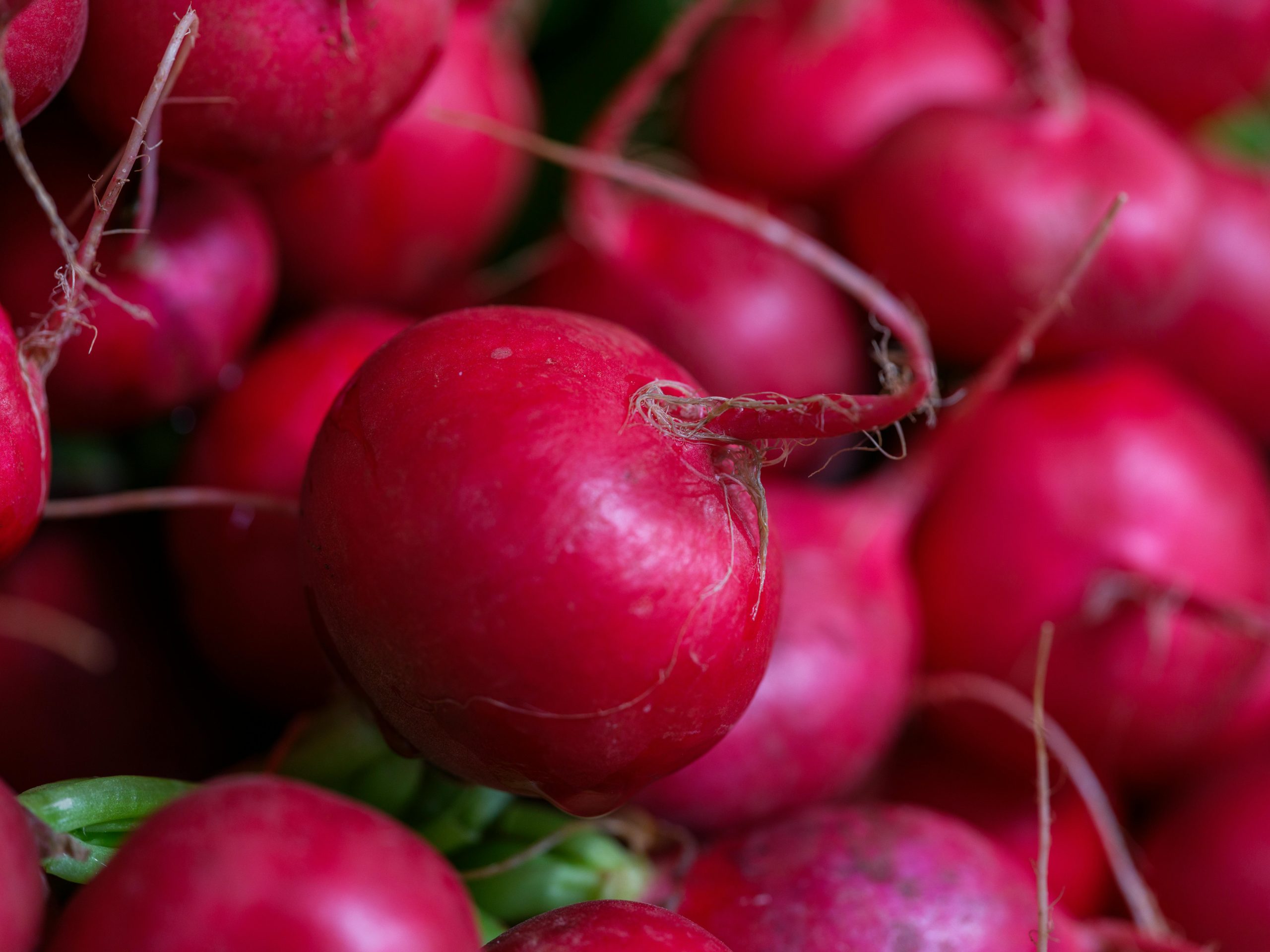
Black radish is more than just a vegetable when consumed in concentrated form. It can interact with certain medications.
Anticoagulants and statins
Black radish stimulates the liver enzymes involved in the metabolism of certain drugs. People on anticoagulants (warfarin, Sintrom®) or on statins (cholesterol treatment) should be cautious: an intensive course of treatment could alter the efficacy of these therapies.
Thyroid medications
As mentioned above, the goitrogens in black radish can interfere with the absorption of levothyroxine. If you're taking this type of treatment, spacing a few hours between taking the medication and eating black radish may reduce the interaction - but again, talk to your doctor!
Antacids and gastric protectors
If you're taking proton pump inhibitors (omeprazole, pantoprazole...), the irritating effect of black radish on the gastric mucosa may counteract the action of these treatments. An obvious contradiction!
Table summarizing black radish contraindications
| Profile / Location | Associated risk | Recommendation |
|---|---|---|
| Biliary obstruction / stones | Hepatic colic, cholecystitis | Contraindicated |
| Pregnancy / breastfeeding | Insufficient safety data | Not recommended (concentrated form) |
| Hypothyroidism / thyroid treatment | Interference with iodine and levothyroxine | Medical opinion required |
| Gastric ulcer / severe GERD | Irritation of the gastric mucosa | Not recommended |
| Brassica allergy | Possible cross-allergic reaction | Allergological test recommended |
| Anticoagulant treatment / statins | Possible hepatic interaction | Medical opinion required |
| Children under 12 | Lack of paediatric data | Not recommended |
How can I limit the side effects of black radish?
Good news: if you're not concerned by the above contraindications, you can enjoy the benefits of black radish while really limiting the risks. Just follow a few simple rules!
Adheres to recommended dosage
Whether you consume fresh black radish juice or capsule supplements, don't exceed the indicated doses. In phytotherapy, standardized extracts of black radish are generally dosed between 300 and 500 mg per day. A classic cure lasts a maximum of 3 weeks, with a break before starting again.
Raw, cooked or in juice: which form to choose?
Raw black radish is the form with the highest concentration of active compounds - and therefore the most likely to irritate the stomach. If you have a sensitive stomach, opt for light steaming or standardized capsules, whose digestive tolerance is generally better.
Starts gradually
If this is your first cure, start with small quantities and increase gradually. This allows your digestive system to adapt without being taken by surprise. And if you feel any pain or heartburn within the first few days, stop the cure and consult a health professional!
What are the natural alternatives to black radish?
Do you have a contraindication to black radish or can't take it? Don't panic, nature is good and there are other plants that are just as effective for liver drainage and detox!
- Milk thistle (Silybum marianum): one of the best natural hepatoprotectors, ideal for protecting and regenerating liver cells.
- Artichoke (Cynara scolymus): a mild, cholagogue and choleretic plant, very well tolerated even by sensitive stomachs.
- Dandelion (Taraxacum officinale): excellent for liver and kidney drainage, without the irritating effects of crucifers.
- Turmeric (Curcuma longa): a powerful anti-inflammatory, it supports liver function and fat digestion.
These plants can be used as herbal teas, capsules or fluid extracts. They are often better tolerated and adapt to more different profiles than black radish. To optimize your results as part of an overall wellness approach, you can also explore the benefits of drainage and weight loss, which combines natural and modern techniques for improved lymphatic and hepatic drainage.
My coach's opinion on black radish
I'll be honest with you: black radish is a plant I appreciate for its detoxifying effects and its support for fat digestion, especially as part of an overall weight-loss approach. For my clients who are looking to lose belly fat and optimize their metabolism, a good hepatic drainage really makes a difference!
But as with all the tools I use - whether it's the slimming devices at radiofrequency, Black radish isn't magic, and it's not for everyone. Context, health profile and dosage all count.

If you want to incorporate black radish into your wellness routine, do it intelligently: respect the doses, listen to your body and consult your doctor if you have the slightest doubt about contraindications. That's really the best way to enjoy its benefits without any nasty surprises! 🌿
For a more holistic approach, I also recommend discovering the virtues of’linden sapwood weight loss, which perfectly complements liver drainage by also supporting lymphatic circulation.
Questions everyone has about black radish
Does black radish help you lose weight?
Black radish is not a fat burner per se. On the contrary, it supports the liver in the elimination of toxins and optimizes lipid digestion. Combined with a balanced diet and regular physical activity, it can contribute to more effective weight loss - but it doesn't do the job for you!
Is it possible to take a long-term course of black radish?
No, a course of black radish should not exceed 3 consecutive weeks. Beyond that, the risks of gastric irritation and thyroid interference increase. Always take a break of at least 3 weeks between two courses of treatment.
Is black radish compatible with intensive sport?
Yes, for a healthy athlete, a short course of black radish may even be of interest to support the liver in the face of increased metabolism. But keep an eye on your digestive tolerance, especially during exercise!
For an even more comprehensive approach and to integrate the principles of naturopathy and weight loss, I suggest you work with a qualified practitioner who can suggest a personalized plan combining plants, diet and drainage techniques.
Frequently asked questions about black radish and its effects
Can black radish cause headaches or dizziness?
Yes, in rare cases, a excessive consumption of black radish (over 1,000 mg/day) may cause headaches or dizziness. These symptoms are linked to its action detoxifying which releases toxins into the bloodstream. People sensitive to sulfur compounds or suffering from hypotension may be more vulnerable. Limit the dose to 500 mg/day to avoid these effects.
Is there a risk of deficiencies with a prolonged course of black radish?
A course of black radish lasting more than 3 weeks may reduce the absorption of certain minerals such as iron and the zinc, due to its goitrogenic compounds. Vegetarians or people suffering from anaemia should watch their intake of vitamin C (250 mg/day) to promote iron assimilation. A blood test is recommended after 2 months of regular consumption.
Does black radish influence’hormonal balance in women?
Visit glucosinolates may modulate the activity of hepatic enzymes involved in the metabolism of estrogen. One study shows a 15 % reduction in estradiol levels in women undergoing surgery. peri-menopause. Women under hormone treatment (HRT) should consult their doctor before a course of treatment, to avoid imbalance.
Can black radish be combined with other detox plants like Desmodium?
The black radish + desmodium (100 to 200 mg/day) is commonly used to support the liver in cases of hepatic overload. However, avoid mixing with chardon-marie (risk of silymarin overdose) or the boldo (redundant choleretic effect). Use alternating courses of treatment to limit interactions.
Does black radish have an impact on blood glucose ?
Black radish contains soluble fibers (2 g/100 g) which slow carbohydrate absorption, reducing the glycemic index of meals by 20 to 30 %. A clinical study showed a 0.5 g/L drop in fasting blood glucose levels after 3 weeks of treatment. Diabetics should monitor their glucose and adjust their treatment if necessary.