English
  French
  Spanish
  German


✓ News to remember
- Nearly 50 % for adults experience dandruff at some point in their lives; it is one of the most common causes of an itchy scalp
- Visit seborrheic dermatitis about 1 to 3 % of the adult population and requires specialized dermatological care
- Visit chronic stress disrupts hormonal balance and can directly trigger itching through the release of neuropeptides
- Visit zinc, iron, or B-vitamin deficiencies weaken the skin and make the scalp itch more
- In most cases, an irritated scalp can be effectively treated with the right products (mild shampoos, plant-based oils) and adjustments to your daily routine
Itchy scalp: What does it really mean?
Do you find yourself scratching your head every five minutes and wondering what's going on? Don't panic—you're definitely not alone in this situation! The itchy scalp affect a large portion of the population at one time or another. According to some dermatological studies, nearly 50 % for adults experience dandruff at some point in their lives; this is one of the most common causes of the problem.
But an itchy scalp can mean a lot of different things. Dryness, an allergic reaction, a fungal infection, stress… There are many possible causes, and they aren’t always easy to pinpoint. In this article, I’ll explain everything: the possible causes of this itching, how to tell them apart, and—most importantly—how to treat them effectively!
💡 An itchy scalp is rarely a minor issue: it’s often the first sign that something is throwing your scalp’s health out of balance. Identifying the cause is the first step toward a real solution.
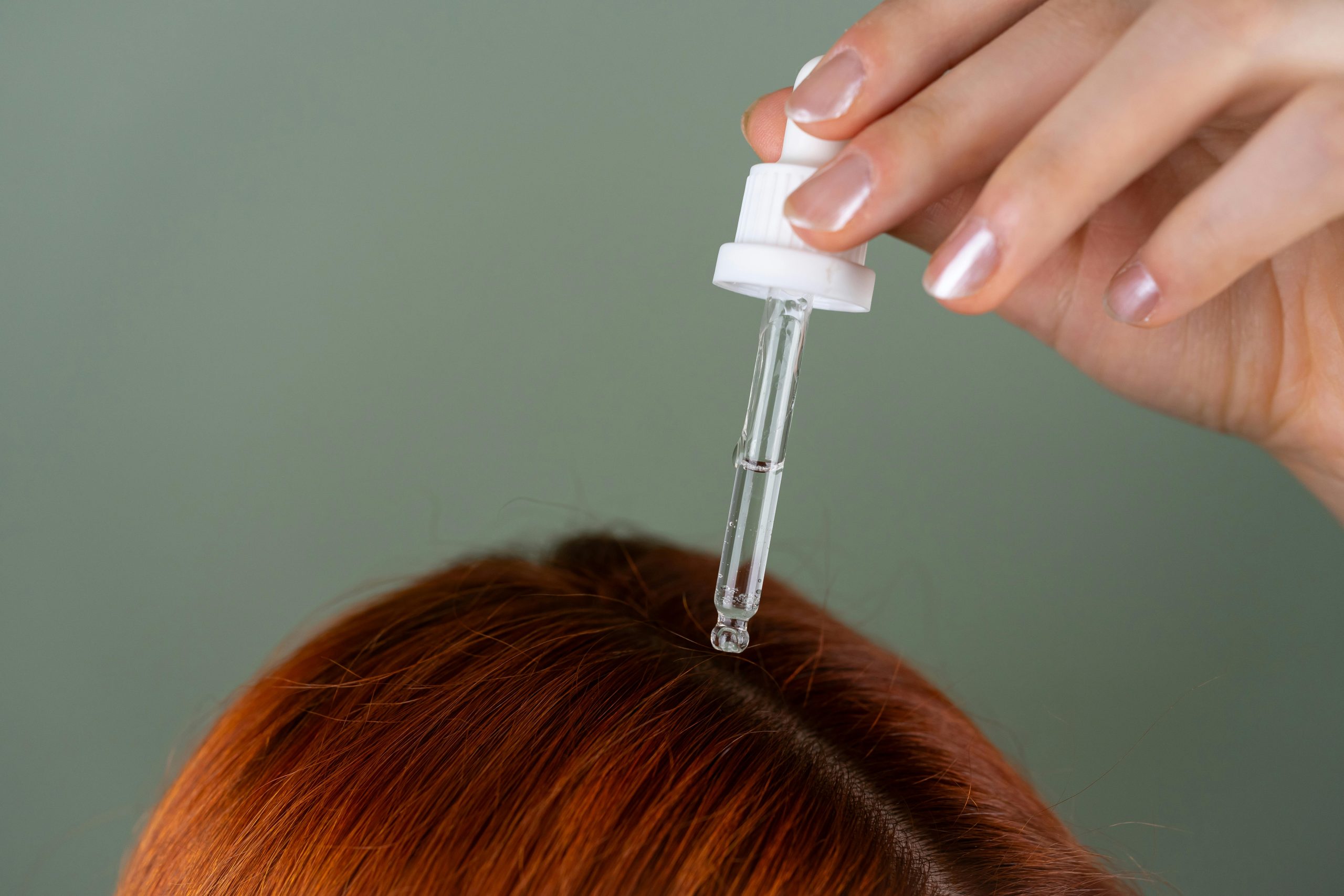
Why Does Your Scalp Itch? The Most Common Causes
Before looking for a solution, you need to understand where the problem is coming from. And there are plenty of possibilities! Here are the most common causes of a irritated scalp.
Dry Scalp
A dry scalp doesn't produce enough sebum to keep itself properly hydrated. As a result, the skin feels tight, small white flakes appear, and itching sets in. Cold weather, heat from styling tools, or harsh shampoos can make this problem worse.
Dandruff: Enemy Number One
Dandruff is caused by an excessive overgrowth of a fungus that is naturally present on the scalp: the Malassezia globosa. This imbalance accelerates cell turnover, creating those distinctive little flakes. There are two types of dandruff: dry (white flakes that fall off) and oily (yellowish scales that stick to the scalp).
Seborrheic dermatitis
More severe than simple dandruff, the seborrheic dermatitis is a chronic inflammatory condition associated with excessive sebum production. It causes oily scales, redness, and persistent itching. It affects approximately 1 to 3 % of the adult population according to dermatological data.
Allergies to Hair Care Products
Have you just switched shampoos and now your scalp is itchy? It might be a contact allergy! Certain ingredients, such as paraphenylenediamine (found in hair dyes) or sulfates can trigger a skin reaction. Symptoms include localized redness, burning, and itching. Interestingly, this type of skin allergy can spread beyond the scalp, much like how some people experience itching elsewhere on the body due to similar external factors, such as a left hand that strums caused by skin irritants.
Psoriasis of the Scalp
Visit psoriasis is an autoimmune disease characterized by thick, red patches covered with silvery scales. It affects approximately 2 to 3 % of the world's population. On the scalp, it can be particularly uncomfortable and requires medical attention.
Scalp Eczema
Eczema (or atopic dermatitis) can also affect the scalp, causing dry skin, intense itching, and sometimes scabs. It is often linked to a genetic predisposition and can be exacerbated by certain environmental factors.
Stress and Nutritional Deficiencies
Chronic stress disrupts hormonal balance, which can directly affect scalp health. Deficiencies in zinc, iron, or B vitamins are also known to weaken the skin and exacerbate itching. In fact, several scientific studies have demonstrated a direct link between stress and seborrheic dermatitis.
Head lice: Let's talk about them, too!
Yes, the husband are among the possible causes! Their presence causes localized itching, often behind the ears and on the nape of the neck. A visual inspection using a fine-toothed comb allows for quick detection.
How can you tell the difference between the causes of an itchy scalp?
Fortunately, not all of these causes are the same! Here’s a summary table to help you understand them better:
| Reason | Characteristic symptoms | Who should I contact? |
|---|---|---|
| Dry Scalp | White flakes, tight skin | Moisturizing products are often enough |
| Dandruff | Dry flakes or oily scales | Anti-dandruff shampoo |
| Seborrheic dermatitis | Yellowish flakes, redness, oily skin | Dermatologist |
| Contact Allergy | Burning sensations, sudden redness | Allergist / Dermatologist |
| Psoriasis | Thick silver-colored plates | Dermatologist |
| Head Lice | Localized itching, visible scabs | Pest Control |
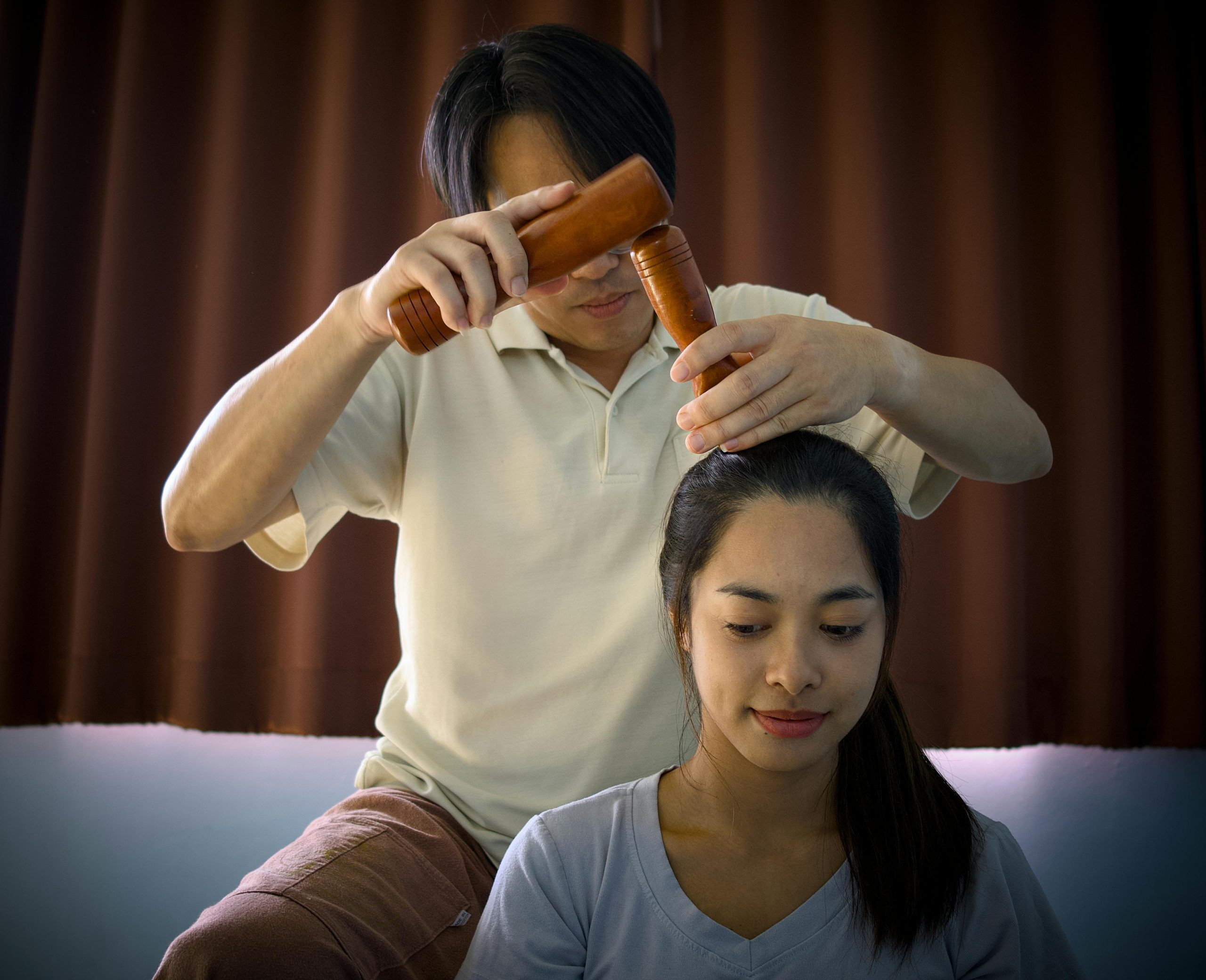
What are some ways to soothe an itchy scalp?
Good news: in most cases, simple steps are all it takes to relieve an irritated scalp! Here are the most effective solutions based on the identified cause.
Choosing the Right Shampoo
Choosing the right shampoo is really the key! A mild shampoo, which is free of sulfates and parabens, will preserve the scalp’s natural balance. For dandruff, a shampoo containing piroctone olamine, from the ketoconazole or the selenium sulfide will be much more suitable. Brands such as Vichy Dercos and Ducray Kelual DS are well-known in this field.
Focus on Vegetable Oils
Visit vegetable oils are true allies for a dry or irritated scalp! Jojoba oil mimics natural sebum, coconut oil has antifungal properties, and tamanu oil is known for its soothing and healing benefits. A 10- to 15-minute massage before shampooing often works wonders!
Aloe vera: The Ultimate Natural Remedy
Aloe vera gel is one of the most effective natural remedies for itching. Its anti-inflammatory and moisturizing properties quickly soothe an irritated scalp. You can apply it directly to your scalp, leave it on for 20 minutes, then rinse it out. Simple and incredibly effective!
Scalp Exfoliation
A weekly scalp scrub is the little secret I love to share! It helps remove dead skin cells, excess sebum, and product buildup that clogs the scalp. The result: a healthier scalp and significantly less itching.
Adjusting Your Diet
Diet plays a direct role in skin health, including that of the scalp. Omega-3s (found in fatty fish and flaxseeds), zinc (found in oysters and pumpkin seeds), and vitamin B6 help maintain optimal skin balance. It’s also really important to stay well-hydrated!
✅ In most cases, an itchy scalp can be treated very effectively with the right products and a few adjustments to your daily routine. Only persistent or severe cases (such as psoriasis or severe eczema) require a consultation with a medical specialist.
Everyday Habits to Prevent Itching
Prevention is always better than cure! Here are some habits to adopt to keep your scalp in top condition:
- Space out your washes (no more than 2 to 3 times a week) to avoid stripping the skin's natural hydrolipidic film.
- Rinse thoroughly after shampooing to remove all product residue.
- Avoid hairstyles that are too tight (buns, ponytails), as they put tension on the scalp.
- Limit exposure to excessive heat (hair dryers set too hot, hair straighteners), which dries out the skin.
- Space out chemical hair treatments to reduce the risk of contact allergies.
Just as certain localized itches can be caused by external or internal factors, such as a itchy right hand Whether caused by irritation or an allergy, it's important to understand the causes of your itchy scalp so you can apply the right treatment.
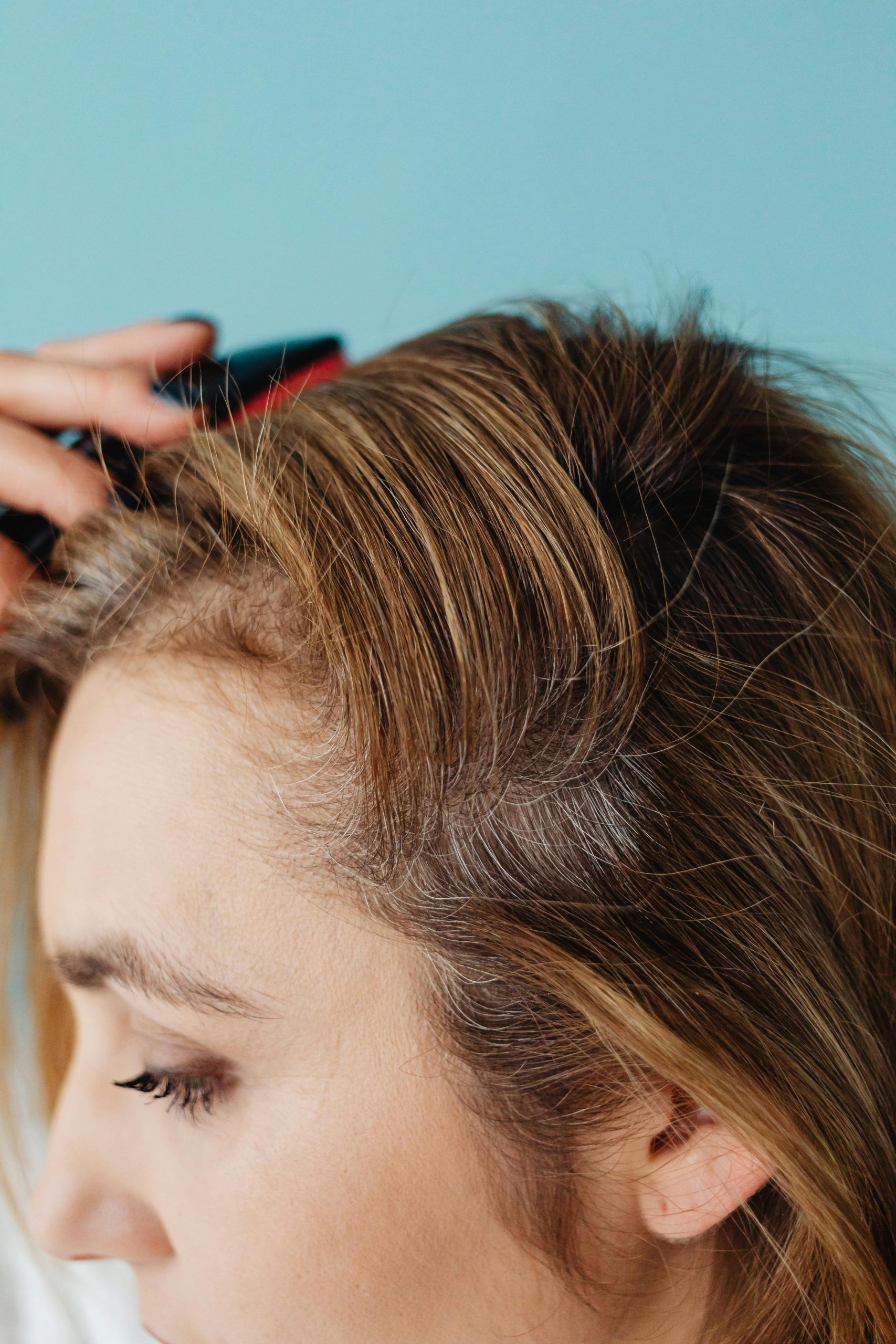
When should you see a doctor?
In most cases, an itchy scalp can be treated with the right care. But sometimes, you need to see a healthcare professional!
Warning Signs to Watch For
If the itching has persisted for several weeks despite treatment, or if you notice thick red patches, oozing scabs, abnormal hair loss, or pain, see a dermatologist. These symptoms may indicate psoriasis, severe eczema, or a fungal infection that requires specific medication.
Available Medical Treatments
Depending on the diagnosis, the doctor may prescribe ketoconazole-based shampoos, corticosteroid-based lotions for inflammatory forms, or oral antifungal medications in the most severe cases. Don’t try to be a self-proclaimed expert with these products: medical supervision is strongly recommended here! The same applies to other skin symptoms that may require a doctor’s visit, such as a pain in the left heel which can sometimes reveal systemic conditions.
FAQ: Your Questions About an Itchy Scalp
Should you scratch your scalp when it itches?
No, and that’s exactly what you should avoid at all costs! Scratching weakens the skin barrier, can cause micro-injuries, and opens the door to bacterial infections. If it itches, gently massage the area with your fingertips rather than your fingernails.
Can you have an itchy scalp without dandruff?
Absolutely! A dry scalp, a contact allergy, stress, or even psoriasis can cause itching even if there’s no visible dandruff. There are many possible causes, and dandruff is just one of them.
Why does my scalp itch at night?
More intense nighttime itching may be related to an increase in body heat during sleep, which amplifies the sensation of itching. In some cases, it can also be a sign of scabies or head lice. If this happens repeatedly, it’s best to talk to a doctor!
Does a home remedy for an irritated scalp really work?
For mild to moderate cases, yes! Coconut oil, aloe vera, or diluted apple cider vinegar (which restores the scalp’s pH balance) often yield good results. But if the cause is medical (psoriasis, severe dermatitis), these natural remedies won’t be enough. 😊
Can stress really cause itching?
Yes, it's scientifically proven! Stress triggers the release of neuropeptides which trigger an inflammatory response in the skin. Managing stress through meditation, exercise, or deep breathing can therefore have a direct impact on the health of your scalp. It’s worth thinking about!
Frequently Asked Questions About Itchy Scalps
Can an itchy scalp be caused by a vitamin deficiency?
Yes, a deficiency in vitamin D, zinc or B vitamins (particularly B6 and B12) can cause itching. Approximately 30% People with nutritional deficiencies report skin irritation. An adequate intake of fatty fish, nuts and green vegetables help restore balance.
Can you get an itchy scalp at the pool or the beach?
Exposure to chlorine or at the sea salt dries out the skin and can cause irritation. Up to 20% Regular swimmers may develop reactions. Rinse your hair immediately after swimming and apply a moisturizer minimizes risks.
Do hormones affect itchy scalp?
Hormonal fluctuations (pregnancy, menopause, menstrual cycle) affect the production of sebum. Approximately 40% Pregnant women report an increase in itching. The balancing shampoos and essential oils (such as lavender) help alleviate these discomforts.
Can an itchy scalp be a sign of a systemic disease?
In rare cases, diseases such as diabetes or disorders thyroid cause widespread itching. Approximately 5% Some patients with diabetes suffer from pruritus. A blood test can rule out these underlying causes.
Do ammonia-free hair dyes cause less irritation to the scalp?
Dyes without ammonia reduce the risk of irritation from 30 to 50%. However, the paraphenylenediamines (PPD) remain common allergens. Choose formulas that hypoallergenic and perform a skin test 48 hours before the app.
You see, a itchy scalp There may be dozens of different explanations, but in any case, solutions exist. The key is to identify the cause before rushing headlong into a “miracle” product. Take care of yourself, adopt good daily habits, and your scalp will thank you in no time! 🙌