English
  French
  Spanish
  German


What You Need to Know About Caffeine in Coffee
- A 30-ml espresso contains an average of 80 mg of caffeine, while a 200-ml cup of filter coffee contains up to 140 mg.
- ANSES sets the cautionary threshold at 400 mg of caffeine per day for a healthy adult.
- Decaffeinated coffee contains about 3 mg of caffeine per cup; it is not 100% caffeine-free.
- The half-life of caffeine is about 5 hours, which explains its impact on sleep in the evening.
- ANSES advises against combining a high dose of caffeine with intense physical activity.
5 Verified Facts3 sourcesUpdated on September 29, 2026
The type of coffee makes all the difference
Espresso, drip, or long coffee: The extraction method has a greater impact on the final cup than the brand or the beans.
A threshold, not a ban
ANSES sets the safety threshold at 400 mg per day for a healthy adult, including all sources combined.
The Time of Recognition
A cup after 4 p.m. or right before your workout doesn't have the same effect on your sleep or your performance.
A 30-ml espresso contains, on average, 80 mg caffeine. A 200-milliliter cup of filter coffee can contain up to 140 mg. Two drinks called “coffee,” but with radically different caffeine levels. Let me say this right off the bat: the amount of caffeine in a cup of coffee depends first and foremost on the brewing method—long before it depends on the brand or the type of bean used.
How much caffeine is in each type of coffee?
The dose varies mainly depending on the brewing method. An espresso concentrates its dose into just 30 ml, because hot water passes through the grounds under pressure for only a few seconds. Filter coffee brews for longer, over a larger volume: its caffeine content rises significantly for a 200-ml cup. The contact time between the water and the ground coffee explains this difference much better than the origin of the beans.
An "allongé" coffee, often confused with filter coffee, is actually an espresso diluted with hot water after extraction. Its caffeine content is similar to that of espresso—around 80 to 100 mg—and not that of filter coffee. This is a useful detail if you’re looking to limit your caffeine intake without sacrificing the volume in your cup.
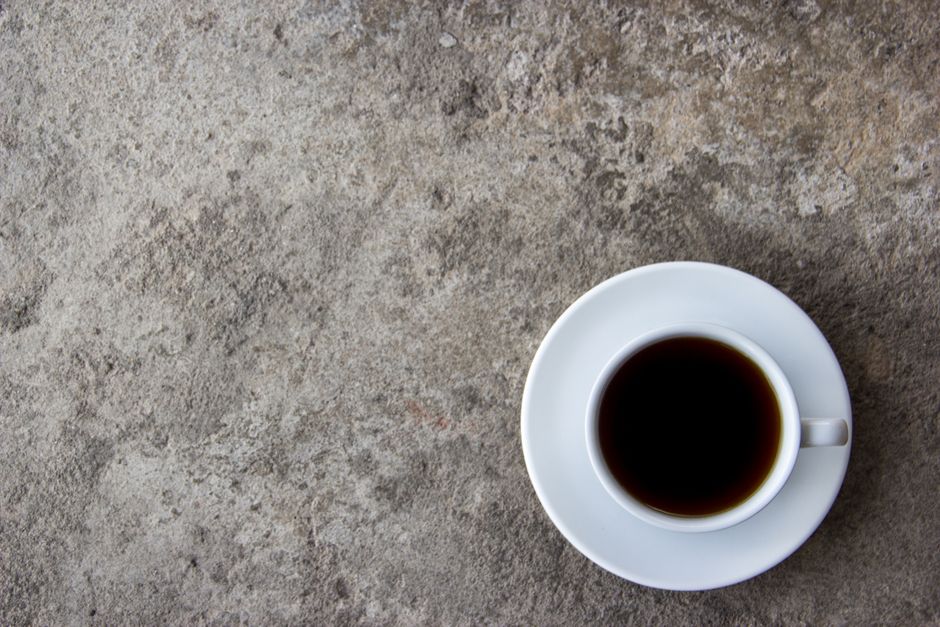
Decaffeinated coffee is no exception to the rule. Contrary to popular belief, it retains about 3 mg of caffeine per cup—a trace amount with no noticeable effect on the vast majority of people. Capsules and pods, on the other hand, vary widely from one brand to another: between 55 and 80 mg, depending on the selected strength and the amount of water used. Another useful tip for choosing your package on the shelf: Robusta contains twice as much more caffeine than Arabica, when roasted to a comparable degree.
| Type of coffee | Typical serving size | Estimated caffeine content |
|---|---|---|
| Espresso | 30 ml | 80 mg |
| Filter coffee | 200 ml | 90 to 140 mg |
| Long coffee | 150 ml | 80 to 100 mg |
| Decaffeinated | 150 ml | 3 mg |
| Capsule or pod | 30 to 40 ml | 55 to 80 mg |
Grind size and water temperature also play a role, but to a much lesser extent than the brewing method itself. A fine grind increases the surface area and slightly concentrates the extraction, while water that is too hot mainly accentuates bitterness. Cold brew, steeped at room temperature for several hours, reverses the usual logic: the very long contact time compensates for the low temperature and often produces a drink that’s more full-bodied than an espresso, despite a smooth mouthfeel. If you’re looking to cut back on your coffee intake without giving up the ritual, a blend of half regular coffee and half decaf cuts your intake in half while keeping the ritual intact.
Above all, keep this in mind: your morning coffee and the one you have during your 4 p.m. break don’t necessarily give you the same amount of caffeine, even if the process seems identical from one cup to the next.
How much caffeine can you safely drink each day?
L'ANSES has established a benchmark for healthy adults: up to 400 mg caffeine per day, spread out over the course of the day, are not associated with any general adverse effects based on current knowledge. Beyond 500 to 600 mg On a daily basis, the risk becomes clear: agitation, tachycardia, and digestive problems.
📏 400 mg, c’est à peu près 4 à 5 tasses de café filtre. Compte large si tu bois aussi du thé ou des sodas au cola dans la journée.
This limit does not apply to everyone in the same way. Pregnant or breastfeeding women, adolescents, and people who are sensitive to caffeine should significantly lower this threshold—a point the agency reiterates in its updated advisory dated October 2, 2020. For children, the reference value used is 2.5 mg per kilogram body weight. If you’re working out intensely, you should also know that ANSES advises against combining a high dose of caffeine with sustained physical exertion: caffeine reduces the body’s ability to regulate its temperature, which can be a real concern in hot weather or during a long workout.
Tolerance also develops with regular use. A regular user feels the stimulating effect less than an occasional user, even at the same dose. Conversely, abruptly stopping high daily consumption can sometimes cause headaches and temporary fatigue for a few days, while the central nervous system adjusts. Data analyzed by ANSES estimate that approximately 30 % Some adults already exceed the threshold beyond which an anxiety-inducing effect becomes likely, and that nearly 7 % exceed the threshold associated with more general chronic toxicity. These two figures put into perspective the idea of a universal dose that applies to everyone.
One last fact is worth noting: the half-life of caffeine is around 5 hours in an average adult. Specifically, half of the dose you drink at 3 p.m. is still circulating in your body at 8 p.m. That’s why your last cup of coffee of the day affects your sleep more than you realize.
Tea, cola, chocolate: Where else is caffeine hidden?
Coffee isn't the only source of caffeine. If you really want to keep track of your daily intake, you'll need to count the less obvious sources.
- Black tea, 200 ml: approximately 40 to 50 mg
- Energy drink, 250 ml: about 80 mg
- Classic cola, 330 ml: approximately 35 to 40 mg
- Dark chocolate, 30 g: approximately 10 to 20 mg based on the percentage of cocoa
- Green tea, 200 ml: approximately 30 mg, a gentler option at the end of the day
Add up these amounts to your daily coffee intake before deciding whether your total consumption is too high or too low. It’s this total—not just the number of cups—that matters when it comes to the 400 mg threshold mentioned above.
So-called energy drinks warrant special caution. ANSES has identified more than 200 reports adverse effects associated with their consumption, particularly cardiovascular and neurological effects, with caffeine identified as the primary contributing factor. The combination of caffeine and alcohol further increases this risk by masking the sensation of intoxication in those who consume both.
This video takes a look at the main categories of caffeinated beverages and their respective effects—a great resource if you want to see how they differ before reevaluating your habits.
Matcha, which is becoming increasingly common in trendy cafés, provides a dose comparable to that of a cup of filter coffee for the same volume, with a more gradual release of its effects thanks to the L-theanine it naturally contains.
Caffeine and Weight Loss: A Real Ally During Workouts?
I'll get straight to the point: yes, caffeine has a real effect on training performance. It stimulates the central nervous system, delays the onset of fatigue, and slightly increases the use of fat as fuel during exercise.
For this to work, timing is more important than the dose. Have your coffee between 30 and 60 minutes Before your workout: This is the time it takes for caffeine to reach its peak level in the blood. One cup of espresso is more than enough to achieve this effect—there’s no need to double the dose thinking you’ll double the result. The appetite-suppressing effect—which is real—relies on certain satiety signals, but it wears off as tolerance builds: the more you drink it daily, the less noticeable this temporary effect becomes. Relying on it to skip a meal makes no sense in the long run.
Be aware, however, of the other side of the coin. Caffeine alone does not burn fat, and its appetite-suppressing effect—while real, it is modest—is no substitute for a long-term calorie deficit. If you engage in a intermittent fasting, a black coffee during the fasting window fits right in, as long as you keep an eye on your total intake for the day.
⚠️ Évite d’associer une forte dose de caféine à un effort long par forte chaleur : l’ANSES pointe un risque réel pour la thermorégulation de ton corps.
Pre-workout supplements often use anhydrous caffeine, a concentrated and precisely measured form that differs from that found in regular coffee, where the caffeine content varies from cup to cup. If you choose this option, always check the label: some products contain more than 200 mg per serving—half the recommended daily limit in a single dose. Also, drink more water than usual if you’re combining caffeine with exercise: its mild diuretic effect adds to the fluid loss from your workout, especially in hot weather. This simple habit significantly reduces the risk mentioned above, without depriving you of that energy boost before you start.
In the long run, it's better to focus on your basic metabolism and on consistent sleep rather than on an occasional excess of stimulants. Constantly increasing the dose to boost the effect is a false solution: tolerance almost always sets in faster than the desired result.
I’d recommend a more periodic approach instead. Save your high-caffeine days for your most demanding workouts, and allow yourself lighter days the rest of the week. That way, your body maintains a real sensitivity to caffeine, rather than just enduring it without deriving any noticeable benefit. This logic also applies to other performance enhancers: the timing of intake often matters more than the dose itself. A simple notebook, where you jot down the time and amount, is more than enough to track your own room for improvement without any complicated equipment.
The Most Common Mistakes Involving Caffeine
The most common assumption relegates caffeine to a secondary, almost incidental role. The BCAA face the same fate in many routines: a supplement taken at the wrong time loses much of its effectiveness, just like a cup of coffee consumed at the wrong time of day. Adjusting this timing often makes more of a difference than switching products.
The first mistake is to believe that decaf is a neutral choice in all circumstances. This is true only when it comes to caffeine, not the rest: decaf retains the acidity and aromatic compounds of regular coffee.
❌ Le décaféiné à zéro caféine n’existe pas vraiment : compte environ 3 mg par tasse, une dose sans danger pour la plupart des organismes.
The second mistake has to do with your sleep. Drinking coffee after 4 p.m. delays the time it takes you to fall asleep, even if you do eventually fall asleep: the quality of your deep sleep suffers as a result, which in turn affects your ability to manage stress and your cortisol the next morning. If this sensitivity applies to you, you might want to look into solutions such as the’ashwagandha to help you get through your evenings, rather than drinking more and more coffee during the day to make up for your fatigue.
The third mistake is thinking that everyone can handle the same amount of caffeine. Tolerance depends on your genetics, your habits, and your overall health. What a coworker can handle without any trouble might leave you with shaky hands—even if your dose hasn't changed by a single milligram.
The fourth mistake is using coffee to mask accumulated sleep debt. Caffeine temporarily blocks the receptors that signal fatigue; it doesn’t actually replenish your energy. The crash often comes at the end of the day, and it’s harder to deal with than if you had managed your rest beforehand.
FAQs About Caffeine in Coffee
Is a 50-mg dose of caffeine a lot?
No, 50 mg is a moderate dose: it’s about half an espresso or the equivalent of a cup of black tea. The safety threshold set by ANSES is 400 mg per day for a healthy adult.
How many cups of coffee contain 200 mg of caffeine?
200 mg is equivalent to about two to three cups of espresso, or one and a half cups of filter coffee. It is also half of the daily limit of 400 mg recommended by ANSES.
Is decaf coffee completely caffeine-free?
No. Decaffeinated coffee contains about 3 mg of caffeine per cup—a trace amount resulting from the decaffeination process, which never removes 100 % of the molecule.
Does caffeine affect everyone the same way?
No. Tolerance depends on genetics, health status, and consumption habits. For children, the reference value established by ANSES is 2.5 mg per kilogram of body weight.
Adjust Your Caffeine Intake in 4 Steps
Step 1 of 4
Track your current intake: add up all the cups of coffee, tea, and soda you've had today.
Step 2 of 4
Wait until after 2 p.m. to have your last meal to help you fall asleep at night.
Step 3 of 4
If you want to reduce your dose, lower it by 25 mg per week—never all at once.
Step 4 of 4
Keep track of your sleep and energy levels for a full week after the change.