English
  French
  Spanish
  German


✓ News to remember
- Eat a protein bar 1 to 2 hours before The session boosts your energy, while a dose 30 to 60 minutes later Exercise maximizes protein synthesis and muscle recovery.
- Visit anabolic window severe post-exercise 30 to 60 minutes : This is the key time to provide your muscles with protein and carbohydrates and speed up their recovery.
- A protein bar eaten before exercise should contain 10 to 15 g of protein and be rich in complex carbohydrates, while after exercise, focus on 20 to 25 g of protein combined with simple carbohydrates.
- The timing and composition vary depending on your sport: strength training benefits most from post-workout intake, while endurance sports require a strategy both before AND after exercise.
Protein bars before or after exercise: Does it really make a difference?
Have you ever found yourself staring at your protein bar, wondering whether you should take a bite? before or after your session ? That’s a question my clients ask me all the time, and honestly, the answer is worth taking a closer look at! The timing of when you eat a protein bar can really make a difference in your performance and muscle recovery. Let’s figure this out together!
💡 The timing of when you eat a protein bar directly affects your athletic performance and muscle recovery. Eating a bar 1 to 2 hours before exercise optimizes your energy levels, while eating one within 30 to 60 minutes after exercise maximizes protein synthesis.

Why eat a protein bar before or after exercising?
A protein bar It’s not just a tasty snack to stave off hunger. It’s a sports snack formulated to provide your body with the nutrients it needs at the right time. Protein, carbs, fat… each macronutrient plays a role in your athletic progress.
Protein: Your Best Ally for Building Muscle
Proteins are the building blocks of your muscles. After a workout, your muscle tissue is damaged (this is normal—it’s what helps you make progress!). The amino acids from proteins repair these micro-tears and promote muscle growth. A protein bar typically contains between 10 and 25 g of protein, making it a convenient and effective energy snack.
Carbs: The Fuel You Can't Do Without
Carbohydrates are the main source of energy for physical activity. They replenish muscle glycogen—the energy reserves stored in your muscles and liver. Without them, you might feel drained by the middle of your workout. A good protein bar combines carbohydrates and protein to meet both needs at once!
Protein bars before exercise: good or bad idea?
Eating a protein bar before your workout is a great idea, as long as you follow a few simple rules. The goal is to start your workout with enough energy, without feeling heavy in the stomach.
The Right Timing Before Exercise
I recommend that you eat your bar 1 to 2 hours before the start of your workout. This gives your body time to digest and absorb the nutrients. Eating right before you go for a run or lift weights is the best way to get cramps or have trouble digesting—and trust me, it’s really not fun!
What should you eat before a workout?
For a pre-workout snack, choose a bar rich in complex carbohydrates with a moderate protein content (between 10 and 15 g). Carbohydrates will give you the energy you need to perform at your best during a strength training session or an endurance workout. Avoid bars that are too high in fat before exercising: they’ll take longer to digest and will affect your performance during your workout.
Protein Bars After Exercise: The Key Moment for Recovery?
It’s often after a workout that a protein bar really shows its true potential. Muscle recovery begins as soon as you finish exercising, and what you eat in the hour that follows really makes a difference!
What exactly is the anabolic window?
Visit anabolic window refers to the post-workout period during which muscles are particularly receptive to nutrients. According to a study published in the Journal of the International Society of Sports Nutrition, this window is located in the 30 to 60 minutes After your workout. This is the perfect time to provide your muscles with protein to maximize protein synthesis.
Why is a protein bar perfect after a workout?
After a kickboxing or weight-training session, I rarely feel like making myself a full meal right away. A post-workout protein bar is the perfect solution: quick to eat, easy to carry, and extremely effective at kickstarting recovery. A bar with 20 to 25 g of protein and a serving of simple carbs—that's the winning combination!
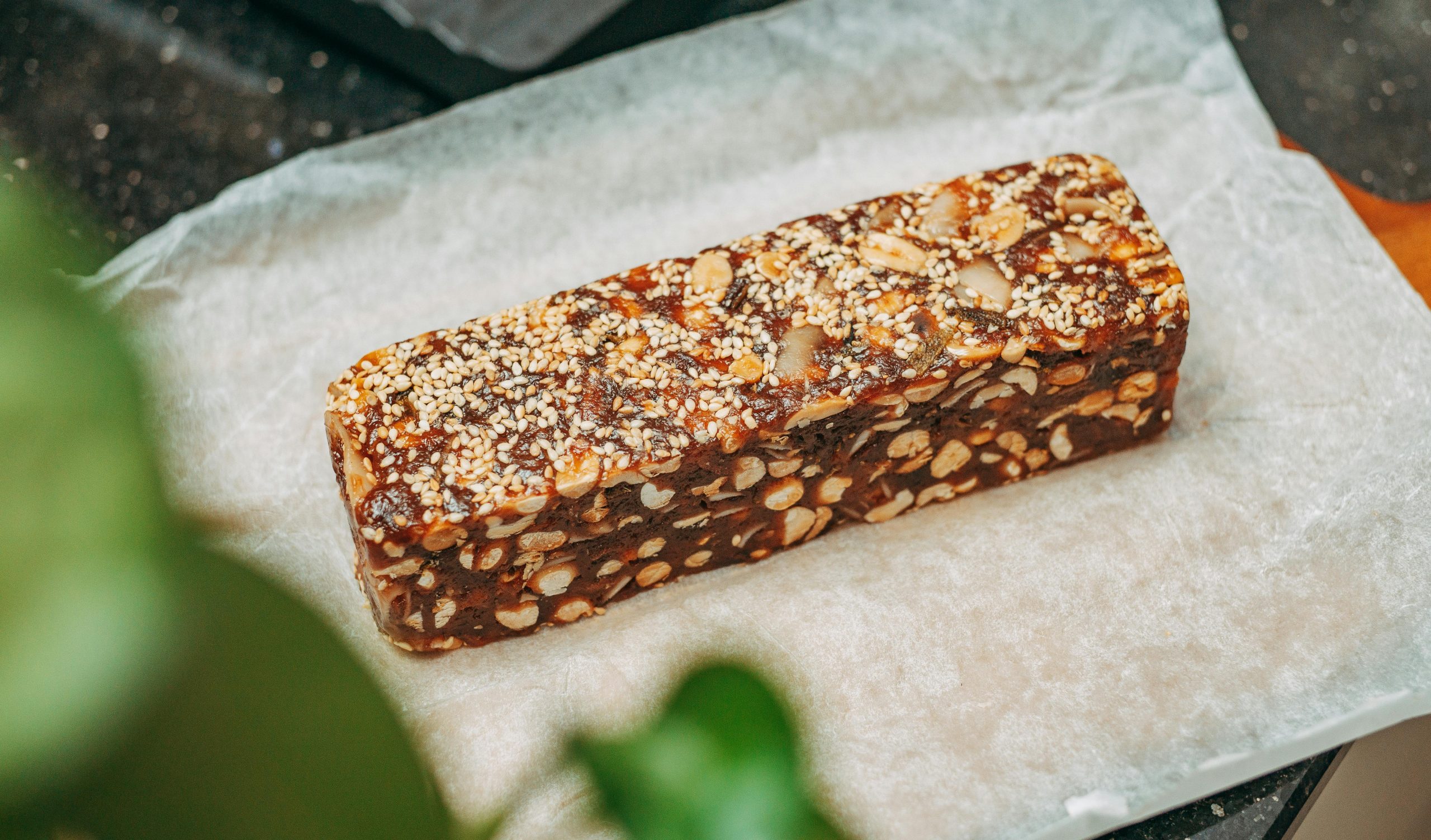
✅ Eat a protein bar within 30 to 60 minutes after exercise allows you to take advantage of the anabolic window and significantly speed up muscle recovery.
Before or after? What the science says
A meta-analysis published in the British Journal of Sports Medicine has shown that spreading protein intake throughout the day—and not just after exercise—plays a role in muscle growth. In other words, a single protein bar isn't the be-all and end-all, but it's part of an overall nutritional strategy.
How about doing both?
Good news: there’s no hard-and-fast rule! Some athletes eat a protein bar both before AND after their workout, depending on the intensity of their workout and their goals. A marathon runner in training and a weightlifter don’t have exactly the same needs. The key is to tailor your intake to your physical activity and its intensity level.
Protein Bars for Your Sport: What You Need to Know
| Type of sport | Best moment | Ideal Composition |
|---|---|---|
| Weight Training / Fitness | After a workout (30–60 min) | 20–25 g of protein + simple carbohydrates |
| Endurance (running, cycling, swimming) | Before (1–2 hours) AND after (30–60 minutes) | Complex carbohydrates + 10–15 g of protein |
| Team Sports / Kickboxing | 1 hour and 30 minutes before or right after | Carbohydrate-to-protein balance (15–20 g of protein) |
| Yoga / Pilates | After the workout (light snack) | 10–15 g of protein, low in sugar |
How to Choose the Right Protein Bar?
Not all protein bars are created equal. On store shelves, you'll find dozens of varieties with a wide range of ingredients. Here are the things I recommend you focus on:
- Protein content : Aim for at least 10 g per bar; ideally, 20 g for optimal post-workout results.
- Protein Quality : Whey protein, casein, or plant-based proteins (such as pea or rice) are all good options, depending on your preferences.
- List of ingredients : Avoid bars that are high in added sugars, glucose syrups, or additives of any kind.
- Carbohydrates : For a pre-workout meal, complex carbohydrates (oats, spelt) are preferable. After a workout, faster-acting carbohydrates are acceptable for replenishing glycogen.
Protein Bars vs. Other Sports Snacks: Which One Should You Choose?
Protein bars aren't the only option to complement your workout. A protein shake (whey), a banana Almond butter or Greek yogurt can serve a similar purpose. So why choose a bar?
Practical benefits matter!
Protein bars are incredibly convenient: they fit in a gym bag, require no preparation, and can be eaten anywhere. For active athletes with busy schedules, this is a major advantage. My little coaching secret: I always keep one in my bag to avoid those post-workout cravings that make you reach for just about anything!
What about vegan bars?
Vegan protein bars have become increasingly popular in recent years. They use protein derived from chickpeas, rice, or hemp. Their effectiveness in terms of muscle recovery is comparable to that of traditional bars, provided they contain sufficient amounts of essential amino acids (particularly leucine). A great option if you follow a plant-based diet!
My practical tips for incorporating protein bars into your workout routine
Now that you know the basics, here’s how I advise my clients to actually incorporate protein bars into their daily fitness routine:
Start by identifying your main goal. Are you looking to Build muscle mass ? Focus on post-workout nutrition with a protein-rich bar. Are you training for endurance or Weight loss through a balanced diet ? A snack before exercising can help you go the distance without losing steam. And in both cases, it complements a balanced diet—it doesn't replace it!
Also, be sure to stay hydrated. Protein needs water to be properly metabolized. A protein bar eaten without enough water isn't as effective. Drink at least 500 ml of water around the time you eat it!
What if you pair your protein bar with a food supplement such as creatine or a post-workout powder—keep in mind that these combinations are perfectly compatible. The effects are additive rather than contradictory, provided you follow the recommended dosages for each product. That said, if you're looking to optimize your Nutrition During a Muscle-Cutting Phase, a protein bar with just the right amount of protein becomes your best ally.
There you go—you now have everything you need to make the right choice! A well-chosen protein bar eaten at the right time is the perfect ally for your workouts—and my clients are the first to attest to that 💪. In addition, you can also explore the Benefits of BCAAs for Weight Loss if you want to optimize your body composition.
Frequently Asked Questions About Protein Bars and Exercise
Can you eat a protein bar on an empty stomach before a workout?
Yes, but go for a bar low in fiber (less than 3 g) and high in fast-acting carbohydrates (20–30 g) to avoid digestive problems. A bar with 10–15 g of protein and less than 5 g of fat is ideal. Eat it 30–45 minutes before exercise for a instant energy without feeling heavy.
Are protein bars suitable for children or teenagers who play sports?
Yes, if the child participates in a intense exercise (more than 10 hours per week). Choose a bar with 10–15 g of protein, less than 10 g of added sugars, and natural ingredients. Avoid «adult» versions (20+ g of protein) so as not to overload their kidneys. Consumption post-workout is recommended.
Should you choose a protein bar or a piece of fruit before a cardio workout?
For cardio, a piece of fruit (banana, apple) is often enough because of its natural carbohydrates (20–30 g) and its digestibility. A protein bar is useful if you’re planning to exercise for more than 60 minutes or a Endurance/Strength Workout. Choose a bar with 15 g of carbohydrates and 5–10 g of protein for optimal balance.
Are sugar-free protein bars effective for recovery?
Yes, but check their content of sweeteners (such as maltitol) that can cause bloating. Choose bars with 20–25 g of protein and natural carbohydrates (dates, rolled oats). Sugar-free versions are ideal for muscle dryness, but less so for post-exercise glycogen replenishment.
Can you eat a protein bar in place of a meal?
Occasionally, yes, if the bar contains at least 20 g of protein, 30 g of carbohydrates, and 5–10 g of fat per nutritional balance. Pair them with vegetables or fruit for fiber. Avoid using them as a meal replacement more than twice a week, as the bars lack essential micronutrients (vitamins, minerals).