English
  French
  Spanish
  German


What You Need to Know About Whole-Wheat Semolina and Digestion
Key Takeaways
- Whole-wheat semolina provides 3 to 4 grams of fiber per 100 grams cooked, compared to just 1 gram for white semolina (ANSES data)
- It retains the wheat bran and whole grain during milling, which gives it a low to moderate glycemic index
- According to Inserm, regularly eating whole grains reduces the risk of chronic digestive disorders
- Recommended brands: Ebly and Priméal offer high-quality whole-grain versions made from durum wheat
- Whole-grain semolina keeps you feeling full longer and helps prevent cravings thanks to its high fiber content
Whole-wheat semolina has been sitting in my clients' cupboards ever since I started repeating the same phrase at every nutrition coaching session: Changing just one side dish can transform an entire meal. It comes from the durum wheat but retains its bran, unlike traditional white semolina. The result: more fiber, more minerals, and a low glycemic index which is a real game-changer for anyone watching their weight.
A quick reminder? Whole-wheat semolina is one of the whole grains, such as brown rice or quinoa. It retains the whole grain during the grinding process, including the famous wheat bran, this outer layer packed with fibers. It’s this detail that makes all the difference for your digestion and bowel movements.
Why choose whole-grain semolina instead of regular semolina?
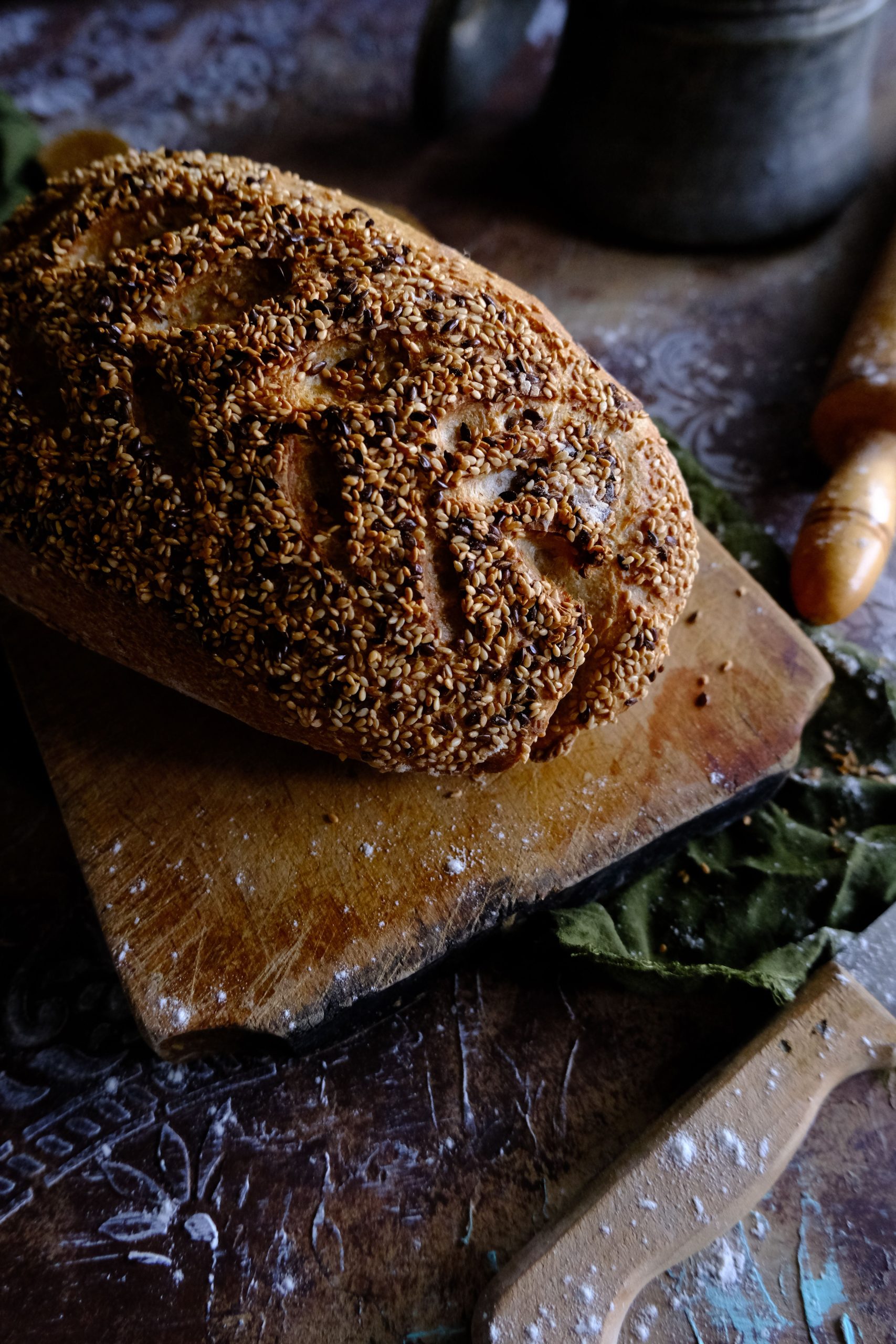
I'll be honest: when it comes to white semolina, I still don't understand why it's still taking up so much shelf space. It's refined, stripped of its bran, and its nutritional value suffers significantly as a result. The full version, on the other hand, retains its dietary fibers and a good dose of minerals and vitamins such as magnesium, iron, and B vitamins.
According to ANSES data, whole grains provide, on average, two to three times more fiber than their refined counterparts. 📊 That figure speaks for itself.
What really annoys me? Seeing people avoid whole-grain starchy foods for fear of «gaining weight,» when in fact the opposite is true. Whole-grain semolina, thanks to its low glycemic index, helps prevent insulin spikes that cause cravings. It simply keeps you feeling full longer.
The perfect partner for a balanced diet
Incorporate the whole-wheat semolina into a balanced diet, it's easy. It effortlessly replaces white rice, traditional pasta, or mashed potatoes. And the best part? It's prepared exactly like traditional semolina—in just a few minutes!
What are the specific benefits for digestion and bowel movements?
We’ve just looked at its nutritional profile; now let’s turn to its effects on your body on a daily basis. The fiber in wheat bran plays a mechanical role in the gut. It swells, speeds up digestion, and nourishes the gut microbiota.
Frequent cravings? Whole-wheat semolina puts a stop to them thanks to its high fiber content. A 100-gram serving, when cooked, provides about 3 to 4 grams of fiber, compared to just 1 gram for the white version, according to data from ANSES. This is especially important if you have low-fiber foods in your regular diet, because fiber plays a vital role in your digestive health.
According to a study reported by Inserm, regular consumption of whole grains reduces the risk of chronic digestive disorders. 👍 That’s pretty impressive, isn’t it?
- More regular bowel movements
- A prolonged feeling of fullness
- Natural prebiotic intake for the microbiome
How do you cook whole-grain semolina in Mediterranean cuisine?
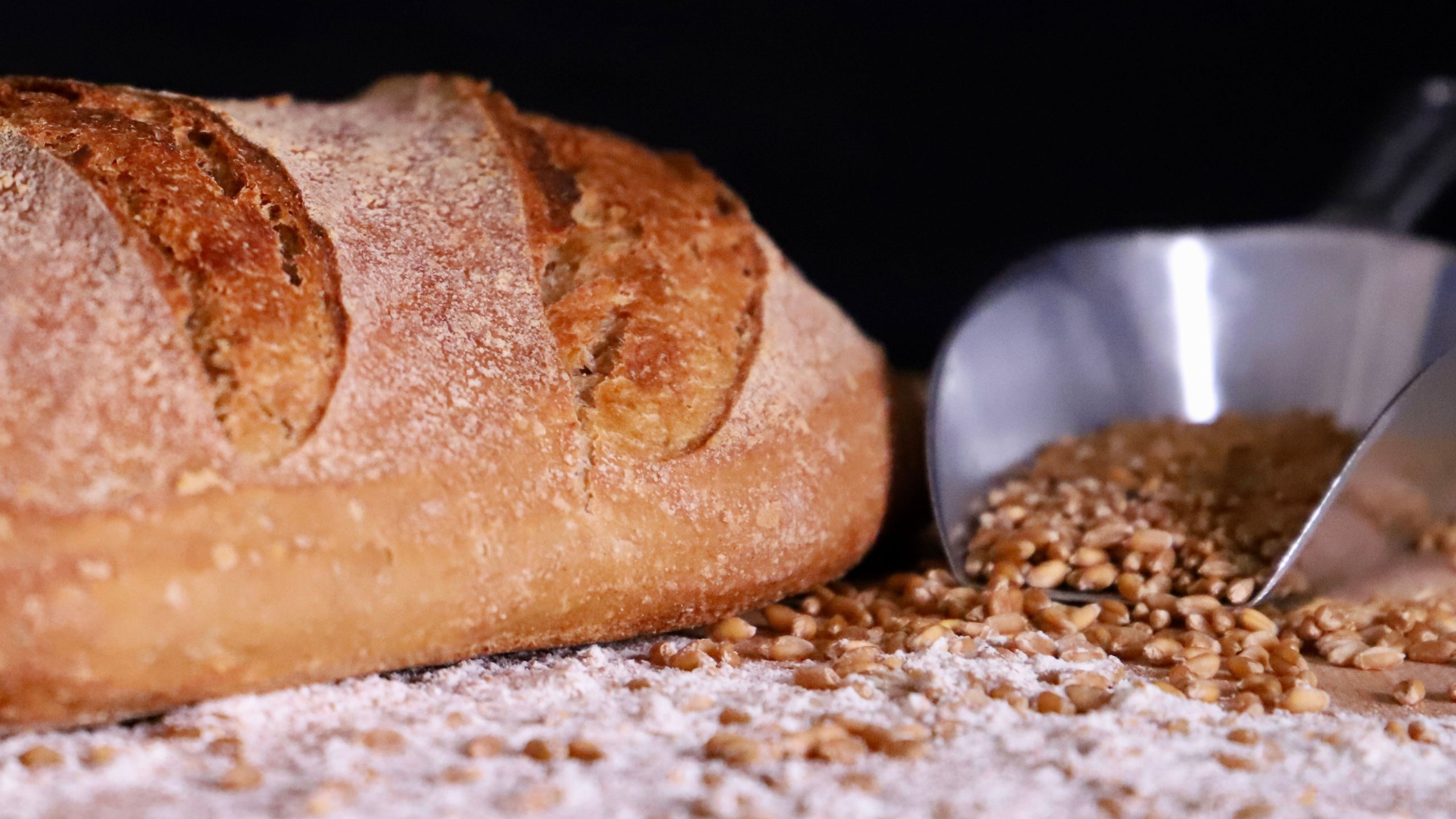
Digestive benefits are great, but you still have to know how to cook it. The Mediterranean cuisine is full of recipes that showcase whole-grain semolina. The couscous The full-fat version is the perfect example: it has the same pleasant texture but is much higher in fiber.
Tabbouleh: A Healthy and Zesty Version
Visit taboulé The traditional version also turns out great with whole-wheat semolina. Add tomatoes, cucumber, fresh mint, lemon, and a drizzle of olive oil. It’s fresh, it’s colorful, and honestly, it’s a real treat from the very first bite!
A quick vegetarian recipe that makes all the difference
For a vegetarian recipe In a flash, mix together cooked whole-grain couscous, chickpeas, roasted bell peppers, and mild spices like cumin. Fifteen minutes of prep time—no more. It’s THE perfect solution for a healthy lunch without spending hours in the kitchen. The benefits of this approach will help you eat better while still having free time.
| Type of semolina | Fiber (per 100 g cooked) | Glycemic Index |
|---|---|---|
| White semolina | ~1 g | High |
| Whole-grain semolina | ~3 to 4 g | Low to moderate |
Where can you find whole-wheat semolina, and how do you choose the right one?
After these delicious recipes, there’s one practical question left: where can you find good whole-grain semolina? You can now find it at Carrefour, Monoprix, or in organic stores like Naturalia. Always check for the words «whole grain» or «whole wheat» on the packaging—it’s a little tip from a fitness coach to help you avoid marketing gimmicks.
Some brands, such as Ebly and Priméal, offer complete versions based on durum wheat high-quality. Choose organic whenever possible, since bran also concentrates the residues from grain processing. It’s a small but important detail—one that really makes a difference in the long run!
Adopt the whole-grain semolina, it’s a simple yet powerful step for your health. Add it to your tabbouleh, couscous, or vegetarian dishes to boost your fiber and mineral intake. Go for it—your digestion and your figure will thank you!