 English
  French
  Spanish
  German


✓ News to remember
- Heel pain accounts for approximately 15 % podiatry consultations and the plantar fasciitis is the leading cause
- Pain in the left heel upon waking in the morning is a classic sign of plantar fasciitis, which affects 10 to 15 adults (%)
- Visit custom orthotic insoles and a regular stretching routine can help 70% of patients experience pain relief within 3 to 6 months
- Lateralization (left heel vs. right heel) generally points to a cause biomechanics rather than a systemic disease
Talalgia: What exactly is it?
You get up in the morning, put your foot on the floor… and ouch! This pain in my left heel that comes back like an old enemy. You’re definitely not alone in this. Talalgia—the medical term for localized heel pain—affects one in ten people at some point in their lives. Yes, it’s far from rare!
But what you're interested in is understanding why Your left heel is hurting—what does that mean, and more importantly, what can you do to make it stop? Here’s a comprehensive look at the topic, from causes to solutions, including the symbolism some people associate with this one-sided pain. 💡
Heel pain is one of the most common types of foot pain: it accounts for approximately 15 % podiatry consultations and primarily affects working adults between the ages of 40 and 60.
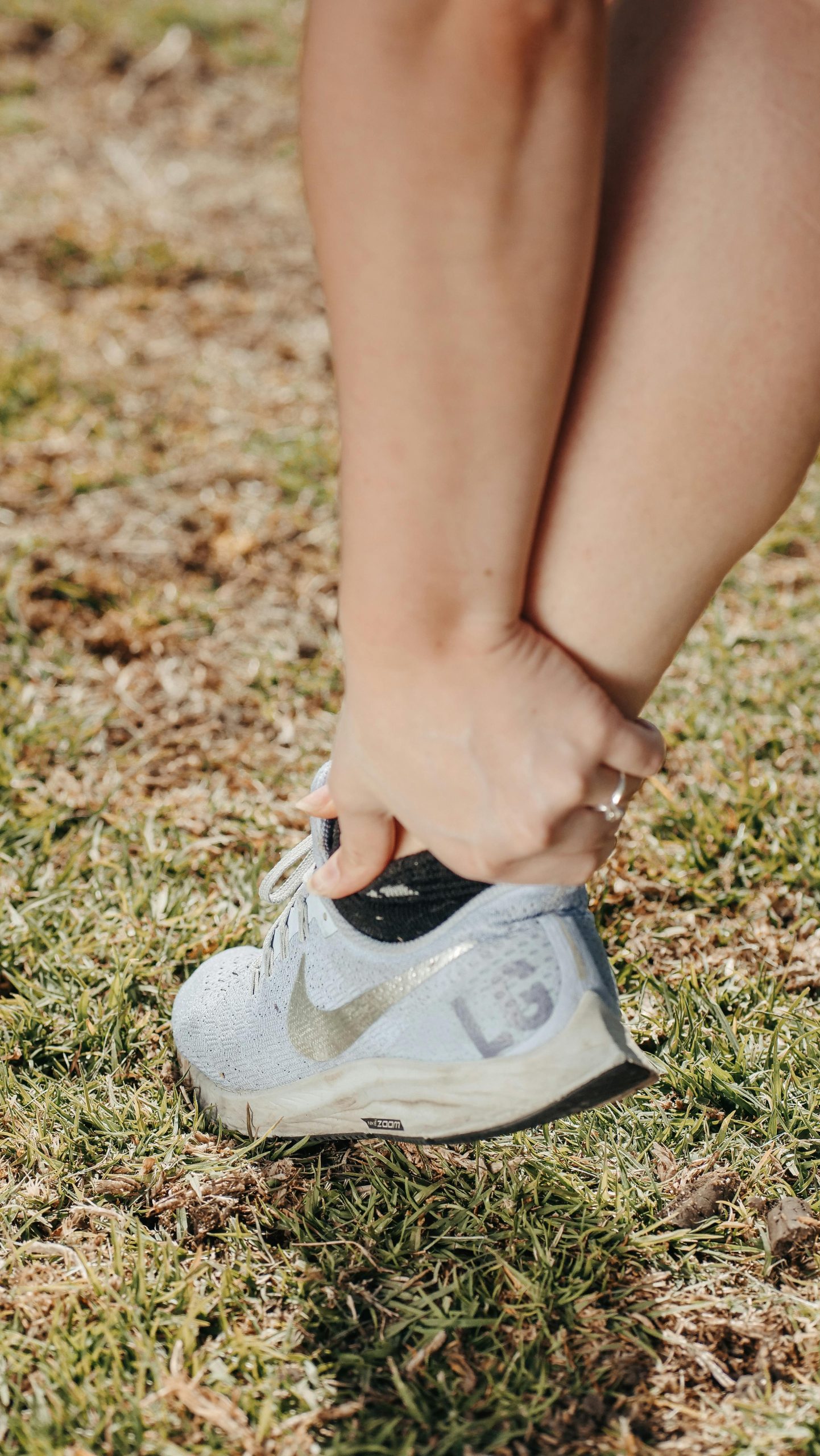
Talalgia refers to any pain felt in the calcaneus—the heel bone. It can be plantar (under the heel), posterior (behind, at the Achilles tendon), or on both sides at once. It can be unilateral, affecting only the left heel or only the right heel, or it can be bilateral.
When the pain is strictly localized to the left heel, it often points to a mechanical or biomechanical cause related to your posture, the way you walk or run, or even a specific impact.
What causes pain in the left heel?
Plantar fasciitis: the main culprit
It’s the number one cause of heel pain! The plantar fasciitis (also known as plantar fasciitis) is an inflammation of the plantar fascia, the thick band of tissue that connects the heel to the toes. The pain is typically severe upon waking in the morning, then subsides after a few steps… only to return with a vengeance by the end of the day.
It particularly affects runners, overweight individuals, and those who spend long hours on their feet. Between 10 and 15 percent of adults develop plantar fasciitis at some point in their lives.
Heel spurs: a cousin of plantar fasciitis
A heel spur is a bony growth that forms at the base of the heel, often as a result of chronic plantar fasciitis. It isn’t always painful on its own, but it can cause sharp pain when it irritates the surrounding tissues. It is easily detected on an X-ray. To learn more about natural remedies, check out our comprehensive guide on Heel spurs and home remedies.
Achilles tendinitis
If your pain is more localized behind If you experience pain in the left heel, Achilles tendinitis is highly suspected. This tendon, the thickest in the human body, connects the calf to the heel bone. Overuse from sports, improper footwear, or returning to physical activity too quickly can cause inflammation.
Traumas and stress fractures
A direct blow, a fall, or intense physical activity can lead to a calcaneal stress fracture. This condition is often underdiagnosed because standard X-rays may miss it—an MRI is then needed to confirm the diagnosis.
Sever's disease in children
If your child or teenager is complaining of pain in their left heel, Sever’s disease is often the cause. This is a form of osteochondrosis of the calcaneus, linked to growth and repeated microtrauma during sports. It mainly affects 8- to 15-year-olds who participate in high-impact activities (soccer, track and field, etc.).

Are there any inflammatory or systemic causes?
Yes, and that's where things get a little complicated! Certain systemic conditions can cause heel pain, which is often in both heels but sometimes in just one.
- Ankylosing spondylitis : a chronic inflammatory condition that often affects the entheses (the points where tendons attach to bone), including the heel. Pain is often felt at night and in the morning.
- Rheumatoid arthritis : may cause synovitis in the rearfoot and heel.
- Gout : Deposits of uric acid crystals can form in the heel bone.
- Diabetes : contributes to peripheral neuropathy, which impairs sensation in the foot and heel.
Left heel vs. right heel: Is there any special significance?
From a purely medical perspective, the side on which the pain occurs points primarily to local biomechanical causes: a slightly shorter left leg, excessive pronation of the left foot, or an asymmetrical weight distribution while walking or playing sports.
Over at the psychosomatic symbolism — an approach that obviously does not replace medical care — the left heel is often associated with receptivity, the past, and feminine emotions in the archetypal sense of the term. Pain in this area could symbolically reflect a difficulty moving forward, a lack of support, or a weakened sense of grounding. This is a complementary interpretation that some people find meaningful, though it has not been scientifically validated.
From a medical standpoint, unilateral pain in the left heel should first be evaluated by a podiatrist and through biomechanical analysis to identify a postural asymmetry or localized strain. 👟
When should you see a doctor?
There are certain warning signs that should make you sit up and take notice—and not let the situation drag on!
Seek medical attention right away if you notice: significant swelling of the heel, nighttime pain that wakes you up, localized redness or warmth, an inability to put weight on your foot, or pain that has persisted for more than 3 weeks despite rest.
The primary care physician may refer the patient to a podiatrist, a rheumatologist, or an orthopedic surgeon, depending on the suspected cause. Common tests include X-rays (to detect a heel spur), ultrasound (to visualize the fascia and Achilles tendon), and MRI (for deeper lesions).
What are the treatment options for pain in the left heel?
First-line conservative treatments
In the vast majority of cases, heel pain responds well to non-surgical treatments. Moderate rest is often the first step—this doesn’t mean stopping all activity, but rather adjusting the level of exertion. Applying ice for 15 minutes two to three times a day helps reduce inflammation.
Orthotic insoles and footwear
Visit orthopedic insoles Custom-made insoles are one of the most effective treatments for plantar fasciitis and heel spurs. They help redistribute pressure across the entire foot and relieve pressure on the heel bone. Proper footwear with good cushioning and heel support is a must!
Physical therapy and stretching
A rehabilitation program with a specialized physical therapist works wonders. Regular stretching of the plantar fascia and Achilles tendon significantly reduces pain. Studies show that after 8 weeks of daily stretching, more than 70% of patients notice a marked improvement.
Medical treatments
Nonsteroidal anti-inflammatory drugs (NSAIDs) such as ibuprofen may be prescribed for a short course of treatment. If this is unsuccessful, a corticosteroid injection at the heel may be an option. If you're considering this option, you can check How long after an injection does the pain go away?. Extracorporeal shock wave lithotripsy is an effective treatment for chronic, treatment-resistant heel pain, with a success rate of approximately 80% in cases of refractory plantar fasciitis.

How can you prevent heel pain?
Choosing the Right Footwear
It’s the basics! Shoes that are suited to your activity, with good heel cushioning and lateral support, really make all the difference. If you’re a runner, remember to replace your shoes every 600 to 800 km—after that, the cushioning is clearly worn out.
Maintaining a healthy weight
Every extra pound increases the strain on your heels with every step. When walking, your heels bear about 1.2 times your body weight; when running, that figure rises to 2.5 times! Maintaining a healthy weight is the best way to protect your heels in the long run. ✅
Progressing gradually in sports
The 10 % rule is simple: never increase your training volume by more than 10 % per week. It’s one of the golden rules for avoiding overuse injuries, including plantar fasciitis.
Summary table: causes and solutions by location
| Location of the pain | Probable cause | Main solution |
|---|---|---|
| Under the heel (plantar) | Plantar fasciitis / heel spur | Orthotic insoles, stretching, physical therapy |
| Behind the heel | Achilles tendinitis / Haglund's deformity | Rest, ice, and proper footwear |
| Heel + joints | Spondyloarthritis / rheumatoid arthritis | Rheumatologist, maintenance therapy |
| Heel pain in children and adolescents | Sever's disease | Weight-bearing, heel pads |
Unusual sensations in the heel: when should you be concerned?
Beyond simple pain, certain sensations in the left heel warrant special attention. If you experience a persistent burning sensation in your heel, it could be a sign of peripheral neuropathy or tarsal tunnel syndrome. This constant burning sensation, which is different from mechanical pain, should prompt you to seek medical attention promptly. To better understand burning sensations in the foot, you can read our article on Burning Feet and Home Remedies, which explores the various causes of this uncomfortable symptom.
FAQ: Common Questions About Left Heel Pain 🙋
Why does my left heel hurt in the morning?
Pain upon waking is a classic symptom of plantar fasciitis. During the night, the plantar fascia contracts, and the first few steps cause it to stretch abruptly. After walking for a few minutes, the pain often subsides—but it returns after prolonged standing.
What tests can be used to diagnose inflammatory pain in the left heel?
A ultrasound or a MRI confirm inflammation such as ankylosing spondylitis or the rheumatoid arthritis. A blood test checks for inflammatory markers (ESR, CRP) and specific antibodies (HLA-B27). In 70% of cases, these tests identify the systemic cause.
Why can pain in the left heel radiate to the arch of the foot?
This radiation often indicates a plantar fasciitis or a nerve compression (tarsal tunnel syndrome). The plantar fascia, which runs from the heel to the toes, transmits the pain. In 60% of cases, orthopedic insoles help curb the spread.
Which sports make left heel pain worse, and which ones relieve it?
Visit running and the tennis exacerbate foot pain (repeated impacts). Conversely, the swimming and the bike (without heel support) provide relief. Walking in a pool reduces pressure on the heel by 40–30%.
Can pain in the left heel be related to sciatica?
Yes, a sciatica (compression of the sciatic nerve) can radiate to the heel via the tibial nerve. This condition accounts for 5% of plantar pain. A Lasègue test or a lumbar MRI confirms the diagnosis.
What foods contribute to inflammation in the left heel?
Foods rich in omega-6 (red meat, refined oils) and in refined sugar exacerbate inflammation. Conversely, the omega-3 (fatty fish, nuts) reduce pain by 30% to 33% in cases of plantar fasciitis.
My heel is burning: is it serious?
A burning sensation in the heel may indicate a peripheral neuropathy (often associated with diabetes), tarsal tunnel syndrome (compression of the tibial nerve), or local inflammation. If you experience a constant burning sensation, you should see a doctor right away!
Plantar fasciitis vs. heel spurs: What's the difference?
Plantar fasciitis is an inflammation of the plantar fascia. A heel spur is a bony growth that often results from chronic plantar fasciitis. The two can occur together, but a heel spur alone is not always painful—it is only painful if it irritates the surrounding tissues.
Can talalgia be treated without medication?
Absolutely! Regular stretching, proper insoles, ice, weight loss, and rest can resolve the vast majority of heel pain without the need for medication. Physical therapy remains the best solution in this case. 👍
How long does plantar fasciitis last?
Without treatment, plantar fasciitis can last anywhere from 6 to 18 months. With the right treatment (stretching, orthotics, physical therapy), most patients recover within 3 to 6 months. The sooner you address it, the faster you’ll get better!


