 English
  French
  Spanish
  German


✓ News to remember
- L’épine calcanéenne touche environ 10 % de la population générale et représente l’une des causes les plus fréquentes de douleur au talon chez les adultes actifs
- Les étirements réguliers du fascia plantaire, pratiqués matin et soir pendant au moins 8 weeks, réduisent significativement la douleur sans médicament ni chirurgie
- Les ondes de choc soulagent 70 à 80 % des cas en 3 à 5 séances, avec une amélioration durable chez 65 % des patients après 6 mois
- L’idéal pour prévenir la récidive : une hauteur de talon entre 2 et 3 cm avec un bon amorti pour répartir la pression
C’est quoi exactement une épine calcanéenne ?
L'épine calcanéenne (ou éperon calcanéen) est une petite excroissance osseuse qui se forme sur le talon, plus précisément sur l’os du calcanéus. Elle résulte d’une accumulation de calcium suite à des micro-traumatismes répétés sur le fascia plantaire — ce tissu qui relie ton talon à tes orteils.
Concrètement, tu sens une douleur au talon, souvent décrite comme un « clou qu’on aurait planté sous le pied ». Et crois-moi, c’est loin d’être agréable !
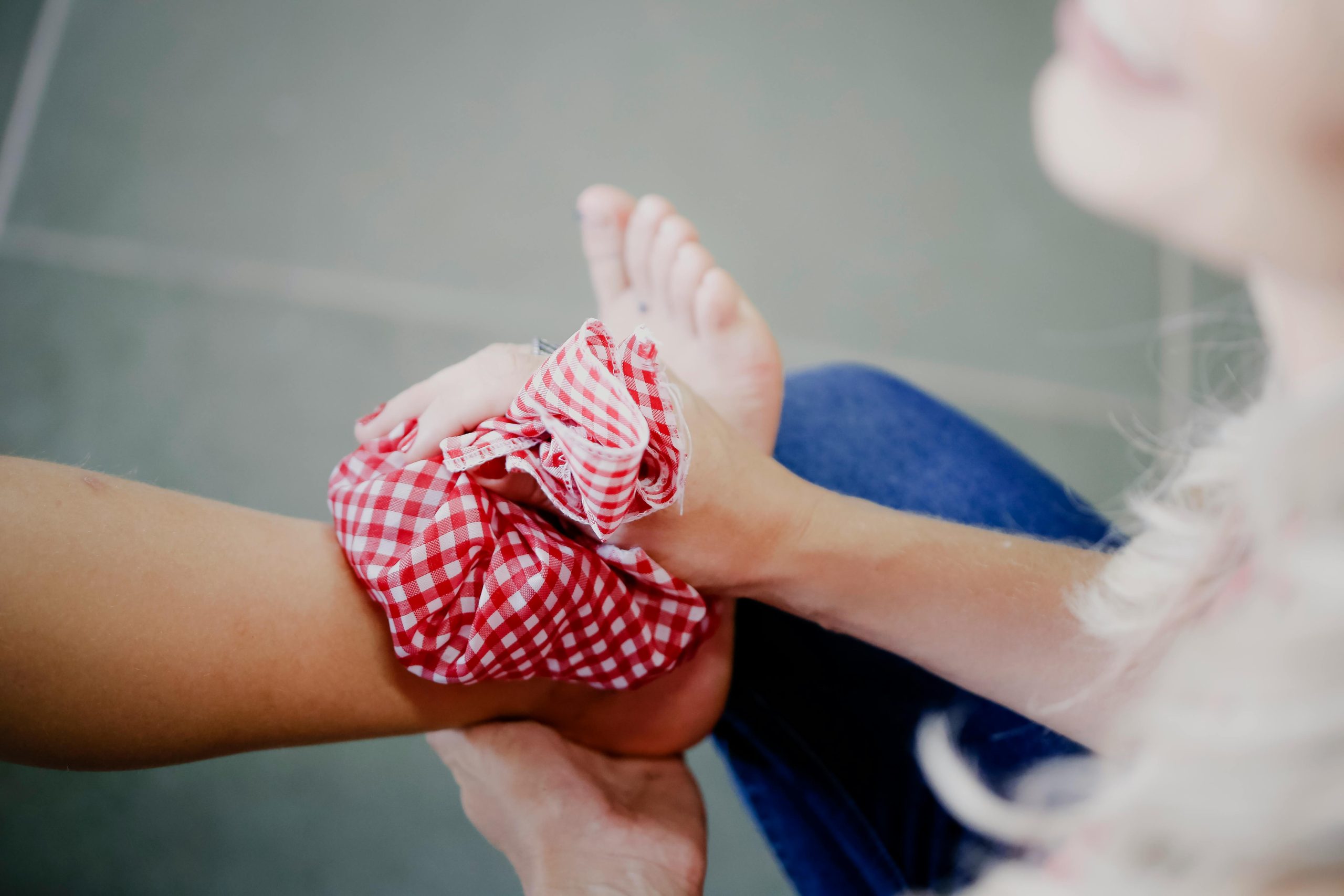
💡 L’épine calcanéenne touche environ 10 % de la population générale, et représente l’une des causes les plus fréquentes de douleur au talon chez les adultes actifs. Elle est souvent associée à la fasciite plantaire, une inflammation du fascia plantaire.
Quelles sont les causes les plus courantes ?
Plusieurs facteurs peuvent déclencher l’apparition d’une épine calcanéenne. Les voilà réunis :
- Un surpoids ou une prise de poids rapide qui surcharge le pied
- Le port de chaussures mal adaptées (trop plates, sans amorti)
- Une pratique sportive intensive sans récupération suffisante (course à pied, sports de saut)
- Une posture incorrecte ou une démarche en suination/pronation excessive
- Le vieillissement naturel des tissus plantaires (après 40 ans, le risque augmente significativement)
Comment la reconnaître ?
La douleur au talon est le symptôme principal. Elle est souvent maximale le matin, dès les premiers pas, puis s’atténue légèrement au fil de la journée avant de revenir en force après une longue station debout.
Dans certains cas, la zone est sensible à la palpation directe, et une légère rougeur ou gonflement peut apparaître. Si ces signes persistent plus de deux semaines, une radio du pied permet de confirmer le diagnostic.
Les remèdes de grand-mère pour soulager une épine calcanéenne, ça marche vraiment ?
Bonne question ! Et la réponse est oui… à condition de bien les utiliser. Les natural remedies ne font pas disparaître l’éperon osseux comme par magie, mais ils soulagent l’inflammation, réduisent la douleur et favorisent la récupération du tissu plantaire. Des générations de personnes ont utilisé ces astuces bien avant nous !
Voici les 5 remèdes de grand-mère les plus efficaces pour soulager la douleur au talon.
Remède n°1 : les applications chaud/froid
C’est probablement la méthode la plus simple et la plus rapide. Le froid (cryothérapie) réduit l’inflammation et engourdit la douleur. Le chaud, lui, détend les tissus et améliore la circulation sanguine.
Pour le froid : place un galet de glace ou une bouteille d’eau congelée sous ton pied et roule-la doucement pendant 10 à 15 minutes. Fais-le matin et soir. Pour le chaud : un bain de pieds à environ 38-40°C pendant 20 minutes fait des merveilles !
Remède n°2 : le cataplasme d’argile verte
L'argile verte est une star des remèdes naturels anti-inflammatoires. Appliquée en cataplasme sur le talon, elle aide à drainer l’inflammation et à soulager la douleur.
Mélange de l’argile verte en poudre avec un peu d’eau froide jusqu’à obtenir une pâte épaisse. Applique une couche généreuse sur le talon, recouvre d’un linge humide et laisse poser 30 à 45 minutes. Rinse à l’eau froide. À faire tous les soirs pendant une semaine !
Remède n°3 : le vinaigre de cidre
Visit cider vinegar, c’est l’allié parfait de nos grands-mères depuis des siècles. Ses propriétés anti-inflammatoires et alcalinisantes en font un remède redoutable contre la douleur au talon.
Imprègne un linge propre de vinaigre de cidre non filtré (type Bragg), pose-le directement sur le talon douloureux, et maintiens-le avec un bandage pendant 20 à 30 minutes. Tu peux aussi l’intégrer à un bain de pieds tiède : 2 cuillères à soupe dans une bassine d’eau.
Remède n°4 : les compresses à l’huile de lin
Moins connue, l’huile de lin est pourtant très efficace grâce à sa richesse en oméga-3 aux propriétés anti-inflammatoires. Fais chauffer légèrement l’huile de lin (sans la faire bouillir), imbibe un linge propre, et applique-le sur le talon en compresse chaude pendant 20 minutes.
Ce remède est particulièrement adapté le soir, après une journée bien chargée. Tes pieds vont adorer !
Remède n°5 : les étirements du fascia plantaire
Visit étirements du fascia plantaire sont sans doute la méthode la plus documentée scientifiquement. Une étude publiée dans le Journal of Bone and Joint Surgery montre qu’un programme d’étirements ciblés réduit significativement la douleur plantaire en moins de 8 semaines.
Voici comment procéder : assis, croise ta jambe douloureuse sur l’autre genou. Attrape tes orteils et tire-les doucement vers toi pendant 30 secondes. Répète 3 fois, matin et soir. Simple, gratuit et redoutablement efficace !
✅ Les étirements réguliers du fascia plantaire, pratiqués matin et soir pendant au moins 8 semaines, sont l’un des traitements naturels les mieux documentés pour réduire la douleur liée à l’épine calcanéenne — sans médicament et sans chirurgie.
Un plan d’action sur 7 jours pour vraiment soulager la douleur
Tu veux une approche structurée pour mettre toutes les chances de ton côté ? Voici comment combiner intelligemment ces remèdes naturels sur une semaine !
| Day | Matin | Soir |
|---|---|---|
| Jour 1 & 2 | Étirements du fascia (3 x 30 sec) + glaçage 10 min | Cataplasme d’argile verte 30 min |
| Jour 3 & 4 | Étirements + compresse vinaigre de cidre 20 min | Bain de pieds chaud + huiles essentielles (lavande, gaulthérie) |
| Jour 5 & 6 | Étirements + glaçage 10 min | Compresse huile de lin chaude 20 min |
| Jour 7 | Étirements + auto-massage balle de tennis 10 min | Cataplasme d’argile verte + repos total |
Avec cette routine, la majorité des personnes constatent une nette amélioration dès la fin de la première semaine. Parfois même avant !
Quelles sont les erreurs à éviter absolument ?
Parce que certains réflexes qu’on croit bons peuvent en réalité aggraver les choses, voilà les pièges classiques à contourner.
Marcher pieds nus sur une surface dure
Je sais, ça peut sembler anodin, mais marcher pieds nus sur du carrelage ou du parquet dur accentue la pression sur le calcanéus et enflamme encore plus le fascia plantaire. Garde toujours des chaussons à semelle amortissante à portée de main ! Si tu souffres également d’une sensation de brûlure aux pieds, consulte notre guide complet sur les remèdes de grand-mère pour les pieds qui brûlent, car ces deux problèmes peuvent parfois être interconnectés.
Ignorer le choix de chaussures
Des chaussures trop plates (comme les ballerines ou les tongs) n’offrent aucun soutien de la voûte plantaire. Privilégie des chaussures avec un bon amorti au talon et une semelle orthopédique si nécessaire. Plusieurs podologues recommandent une hauteur de talon entre 2 et 3 cm pour soulager la tension sur le fascia.
Forcer malgré la douleur
Reprendre une activité sportive intensive trop tôt est l’erreur numéro 1 ! La course à pied notamment sollicite énormément le fascia plantaire. Laisse ton corps récupérer avant de remettre les baskets pour un footing.
Comment prévenir une récidive ?
Soulager la douleur c’est super, mais ne plus avoir à subir ça, c’est encore mieux ! La prévention de l’épine calcanéenne passe par quelques habitudes simples à ancrer dans ton quotidien.
Adopter les bons réflexes au quotidien
Étire systématiquement ton fascia plantaire après chaque séance sportive. Maintiens un poids de forme stable — chaque kilo en moins, c’est 3 à 4 kg de pression en moins sur tes articulations à chaque pas. Et pense à renouveler tes chaussures de sport tous les 600 à 800 km environ. Si tu as également des douleurs localisées au niveau de la région inguinale ou antérieure de la cuisse, les remèdes naturels contre la cruralgie peuvent compléter une approche holistique de ta santé articulaire.
Côté alimentation, le curcuma est ton ami
Visit turmeric, grâce à sa curcumine, est un anti-inflammatoire naturel très puissant. Intègre-le dans tes plats quotidiens ou en cure de compléments alimentaires (300 à 500 mg par jour) pour agir de l’intérieur sur l’inflammation. L’arnica et le saule blanc, en usage externe ou en phytothérapie, sont aussi des plantes reconnues pour leur action anti-douleur.
Quand est-ce qu’il faut vraiment consulter un médecin ?
Les remèdes naturels sont formidables pour soulager et prévenir, mais ils ont leurs limites. Si après 4 à 6 semaines de traitement à domicile, la douleur au talon ne s’améliore pas — voire s’intensifie — il est temps de consulter un professionnel de santé.
Un médecin pourra prescrire des semelles orthopédiques sur mesure, des séances de kinésithérapie, une infiltration de corticoïdes, ou dans les cas les plus résistants (moins de 5 % des cas), une intervention chirurgicale. Ne laisse pas une douleur chronique s’installer sans avis médical ! Il est particulièrement important de consulter si tu ressens également des symptômes d’une Arnold's neuralgia ou d’autres douleurs nerveuses associées, qui pourraient compliquer le diagnostic.
FAQ : les questions qu’on se pose tous 🤔
Peut-on marcher normalement avec une épine calcanéenne ?
La marche est possible, mais souvent douloureuse au réveil ou après un repos. Environ 70 % des patients ressentent une amélioration après 30 minutes d’activité, grâce à l’échauffement du fascia plantaire. Utiliser des orthopedic insoles (amorti de 6 à 8 mm) réduit la pression de 25 à 30 % sur le talon.
Quelle est la différence entre fasciite plantaire et épine calcanéenne ?
Visit plantar fasciitis est une inflammation du fascia, tandis que l’épine calcanéenne est une excroissance osseuse (visible à la radio). Environ 50 % des fasciites évoluent en épine. Les deux provoquent une douleur au talon, mais l’épine est souvent asymptomatique sans inflammation associée.
Les ondes de choc sont-elles efficaces pour traiter l’épine calcanéenne ?
Yes, the ondes de choc (thérapie extracorporelle) soulagent 70 à 80 % des cas en 3 à 5 séances. Elles stimulent la réparation tissulaire et réduisent l’inflammation du fascia. Une étude montre une amélioration durable chez 65 % des patients après 6 mois.
Le port de talons hauts aggrave-t-il l’épine calcanéenne ?
Les talons hauts (> 4 cm) raccourcissent le mollet et augmentent la tension sur le fascia de 20 %. À l’inverse, les talons < 2 cm surchargent le talon. L'idéal : une hauteur de 2 à 3 cm with a amorti pour répartir la pression.
L’épine calcanéenne peut-elle disparaître toute seule ?
L’excroissance osseuse en elle-même ne disparaît pas spontanément. En revanche, la douleur qu’elle provoque peut s’estomper complètement grâce à une bonne prise en charge — étirements, remèdes naturels, port de semelles adaptées. Beaucoup de personnes vivent avec une épine calcanéenne sans jamais ressentir la moindre gêne !
Le vinaigre de cidre dissout-il vraiment l’épine ?
Non, le vinaigre de cidre ne dissout pas l’os. Il agit principalement sur l’inflammation des tissus mous environnants et aide à soulager la douleur. C’est un remède qui améliore le confort, pas un traitement qui modifie la structure osseuse.
Quelle pommade utiliser pour soulager la douleur ?
Les pommades à base d’arnica, de gaulthérie ou d’ibuprofène (en vente libre en pharmacie) sont efficaces pour réduire localement l’inflammation. Applique-les en massage doux sur tout le talon, matin et soir, en complément des remèdes naturels.
Les huiles essentielles sont-elles efficaces ?
Oui, certaines huiles essentielles ont des propriétés anti-inflammatoires et analgésiques bien réelles. La gaulthérie couchée, la lavande vraie et la menthe poivrée sont particulièrement adaptées. Dilue-les toujours dans une huile végétale neutre (30 % d’HE pour 70 % de végétale) avant toute application cutanée.


