English
  French
  Spanish
  German


✓ News to remember
- Forxiga (dapagliflozin) is an SGLT2 inhibitor that eliminates glucose via the urine, with a standard dosage of 10 mg per day.
- Genital and urinary tract infections affect 5-8 % of patients, followed by dehydration-related fatigue and dizziness.
- The DAPA-CKD study demonstrated a 39 % reduction in the risk of progression to end-stage renal disease with dapagliflozin.
- Initial decline in GFR is a normal protective mechanism and not a sign of renal damage
- A weight loss of 2-4 kg in 6-12 months can be observed thanks to the elimination of 70-80 g of daily glucose.
Forxiga (dapagliflozin): what exactly is it?
The Forxiga, or dapagliflozin is a generic member of the SGLT2 (sodium-glucose cotransporter 2) inhibitor family. In concrete terms, it acts directly on the kidneys to eliminate excess glucose in the urine rather than allowing it to circulate in the blood. Result: a natural reduction in blood glucose levels.
It is mainly prescribed for type 2 diabetes, but also for chronic heart failure and chronic renal failure. No wonder more and more patients are seeking feedback on forums!
💡 Forxiga (dapagliflozin) belongs to the SGLT2 inhibitor class. It acts by eliminating excess glucose via the urine, thereby lowering blood glucose levels without directly stimulating the pancreas.
The standard dosage is 10 mg per day, It can be taken in the morning, with or without a meal. Simple, fast, and yet the feedback from patients on the forums is very varied - some love it, others struggle with side effects.
What are the most common side effects of Forxiga?

This is clearly THE question everyone asks before starting treatment. On specialized forums such as Carenity or diabetic patient groups, the same side effects recur regularly.
Genital and urinary tract infections
This is the number-one side effect reported by patients. Since Forxiga passes sugar into the urine, it creates a favorable environment for the proliferation of bacteria and fungi. Genital mycoses and urinary tract infections affect approximately 5 to 8 % of patients, according to data from clinical studies.
Women are more affected, but men are not spared either. Itching, burning, abnormal discharge... nothing dramatic in most cases, but downright annoying on a daily basis.
Fatigue and dizziness
Some patients report a fatigue especially at the start of treatment. These dizzinesses may be linked to mild dehydration or a drop in blood pressure, two known effects of dapagliflozin. Drinking enough water really does make a difference!
Reduced GFR and impact on the kidneys
On the forums, many are worried about a drop in glomerular filtration rate (GFR) after taking Forxiga. This point is often misunderstood. This initial drop in GFR is actually a protective mechanism: it reduces intraglomerular pressure and slows long-term renal degradation.
This is precisely why nephrologists sometimes prescribe Forxiga despite reduced renal clearance! Several major clinical trials, including the DAPA-CKD published in the New England Journal of Medicine, demonstrated a 39 % reduction in the risk of progression to end-stage renal disease with dapagliflozin.
Constipation and dry mouth
Less common, but well documented on the forums, are constipation and dry mouth, especially in older patients or when hydration levels are low. A high-fiber diet and good hydration are usually enough to solve the problem.
Muscle and chest pain
Diffuse muscular pains are sometimes reported. If you experience unusual chest pain, it's time to consult your doctor - even if this symptom is rare with Forxiga.
Summary table of Forxiga side effects
| Secondary effect | Frequency | Severity level |
|---|---|---|
| Genital infections/fungal infections | Common (5-8 %) | Low to moderate |
| Urinary tract infections | Common (4-6 %) | Moderate |
| GFR decline (transient) | Common | Low (protective effect) |
| Fatigue / dizziness | Uncommon | Low |
| Constipation / dry mouth | Uncommon | Low |
| Diabetic ketoacidosis | Rare (< 0.5 %) | High - medical emergency |
| Muscle/chest pain | Rare | Moderate to high |
| Hypoglycemia (alone) | Very rare | Low (increased risk with insulin) |
What patients really say on forums
Patient forums are a goldmine for understanding real-life experience with Forxiga. On platforms such as Carenity, Patient feedback on dapagliflozin is mixed overall, but mostly positive on efficacy.
The most cited positive points
Many patients are blown away by the weight loss associated with treatment. By eliminating glucose through the urine, the body also loses calories - around 70 to 80 g of glucose per day. Over several months, this can represent an additional loss of 2 to 4 kg without changing your diet. Not bad!
The decline in’glycated hemoglobin (HbA1c) is also highly appreciated. According to the DECLARE-TIMI 58 clinical trial involving over 17,000 patients, Forxiga achieved an average reduction in HbA1c of 0.4 to 0.5 %. For a type 2 diabetic, that's really significant!
The best-known galleys
On the forums, genital mycoses and itching is a recurring theme in almost all discussion threads. Some patients report as many as 2 or 3 episodes of mycosis in the first few months. The good news? It often gets better with time, and proper intimate hygiene really helps.
The other major concern is the drop in creatinine and GFR. Many patients panic when they see these figures drop on their blood test, without understanding that this is often the doctor's intention. Communication with the nephrologist or diabetologist is therefore extremely important!

✅ Major clinical studies, such as DAPA-CKD and DECLARE-TIMI 58, confirm that dapagliflozin protects the kidneys and reduces cardiovascular risk - even if an initial drop in GFR may initially worry patients.
Forxiga and kidney failure: should we really be worried?
This is a recurring theme on the forums. Many patients taking Forxiga see their creatinine rise slightly or their GFR drop a few points after starting treatment. Panic on board... but often unjustified!
An initial drop in GFR is normal
This drop is hemodynamic, not structural. To put it plainly: your kidneys are not damaged, but their mode of filtration changes temporarily. Over the long term, clinical trials clearly show that Forxiga protects kidney function and slows progression to end-stage renal failure.
Stages 3 and 4 renal failure
Forxiga can be prescribed up to a GFR of 25 mL/min/1.73m², according to current EMA recommendations. It is precisely for patients in stage 3-4 that the renal benefit is best documented. Your nephrologist knows what he's doing - trust him!
Ketoacidosis and Forxiga: a rare but serious side effect
L'diabetic ketoacidosis On Forxiga, it's rare (less than 0.5 % of cases), but it's the side effect that deserves your full attention. It occurs when the body produces too many ketone bodies, sometimes even with relatively normal blood sugar levels - which makes it harder to detect.
Signs to watch out for: nausea, vomiting, abdominal pain, shortness of breath, confusion. If you have these symptoms, stop treatment and go to the emergency room right away. This is no time to be looking for answers on a forum!
Is it safe to stop taking Forxiga?
Here again, the forums are teeming with questions about stopping treatment. The short answer: never stop a treatment like Forxiga without talking to your doctor. Dapagliflozin is not physically addictive, but stopping abruptly can cause a rapid rise in blood sugar levels, particularly in type 2 diabetics with low pancreatic reserves.
If the side effects are really too distressing, there are alternatives from the same family - such as’empagliflozin (Jardiance) or canagliflozin (Invokana) - or other therapeutic classes such as GLP-1 analogues (Victoza, Ozempic). Your diabetologist will guide you towards the solution that's best tolerated for you.
How can I limit the side effects of Forxiga in my daily life?
The good news is that many of Forxiga's side effects can actually be reduced with a few simple adjustments!
- Moisturize properly Drinking at least 1.5 to 2 liters of water a day reduces dehydration and dizziness, and reduces the risk of urinary tract infections.
- Taking care of intimate hygiene A proper cleansing with pH-neutral products significantly reduces the risk of genital mycoses.
- Watch for signs of ketoacidosis Knowing the warning symptoms is the key to reacting quickly if necessary.
- Regular blood tests Monitoring creatinine, GFR and HbA1c every 3 to 6 months enables treatment to be adjusted in good time.
Forxiga and weight loss: the unexpected bonus?
It's one of the most talked-about unexpected «positive» effects on the forums! By eliminating around 70 to 80 g of glucose per day in the urine, Forxiga mechanically leads to a daily caloric loss. Over 6 to 12 months, studies have shown an average reduction in body weight of 2 to 3 kg.
It's not a slimming drug per se, but if you're already working on your figure with a suitable diet and physical activity, this little metabolic boost can really make a difference. Patients who combine Forxiga with a healthy lifestyle clearly achieve better results! To optimize your results, remember to enrich your diet with healthy sources, such as omega-3 for weight loss play an important role in metabolism and weight management.
Forxiga vs. other antidiabetics: how well tolerated?
Compared to the Metformin, Forxiga is generally better tolerated from a digestive point of view - no more diarrhoea and nausea at the start of treatment, which put off so many patients! Compared with sulfonylureas (such as glibenclamide), the risk of hypoglycemia is much lower when Forxiga is used alone.
Compared with Victoza or Ozempic (GLP-1 analogues), Forxiga is simpler to take (oral tablet vs. injection) but may lead to more genital infections. Each treatment has its advantages and disadvantages - it's really a case-by-case decision with your doctor. To improve digestive tolerance and treatment efficacy, the balance of the intestinal microbiota is also crucial: find out how the probiotics for weight loss can support your metabolic health as a complement to your treatment.
Things to remember before posting on a forum
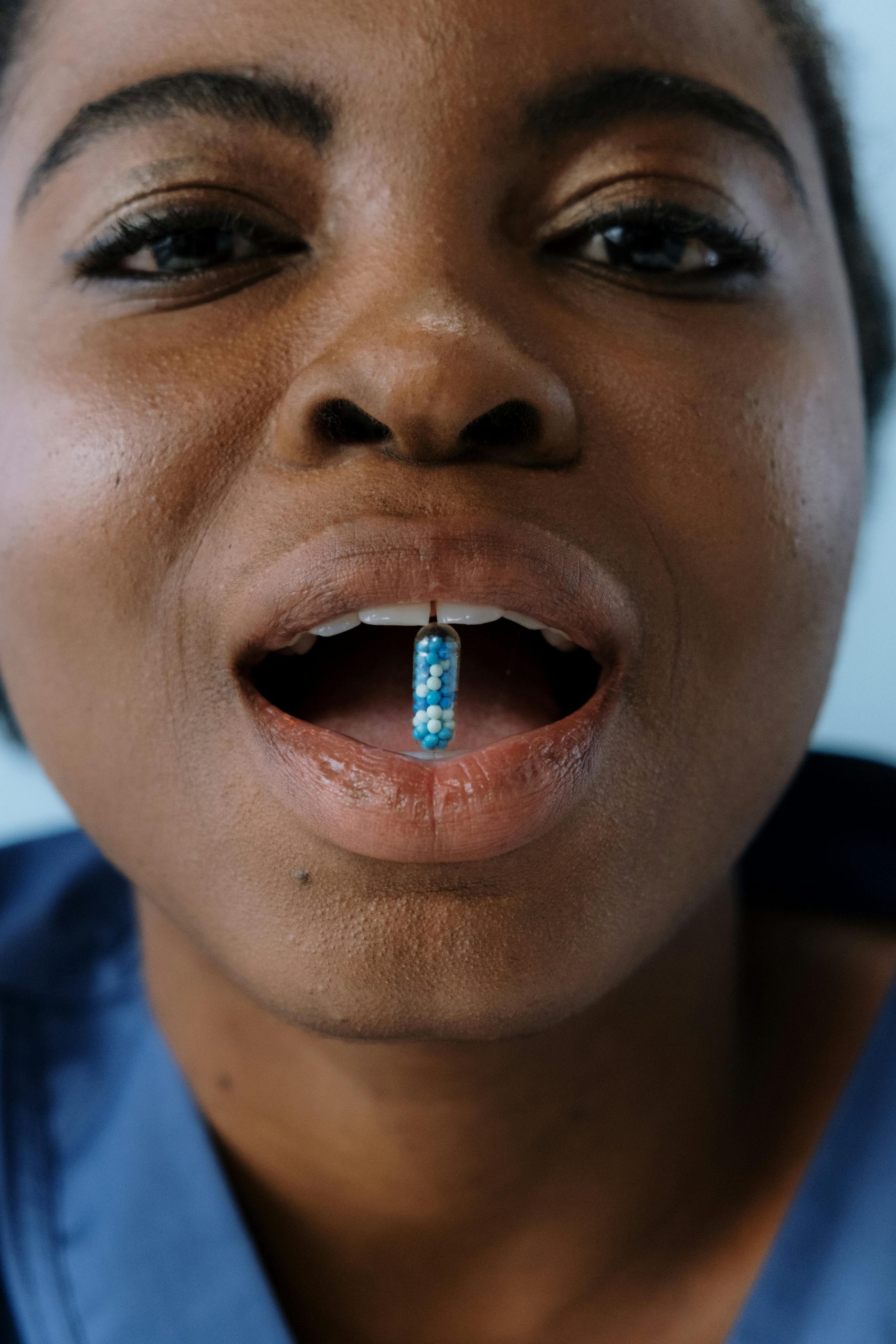
Patient forums are great for making you feel less alone when faced with side effects, but they can never replace the advice of a healthcare professional. If you read about alarming experiences with Forxiga, put them in context: every patient has a different profile, a different pathology, and other associated treatments.
What I really recommend is that you take note of your symptoms, their intensity and frequency, and discuss them with your diabetologist or nephrologist at your next consultation. A complete check-up is worth a thousand forum posts! 😊
And if you combine your treatment with an active approach to weight loss - sport, balanced diet, stress management - the benefits of Forxiga will be multiplied tenfold. At least, that's what I see with the people I accompany on their daily weight-loss journey. Don't forget that to lose weight, what to eat in the evening is an important question, because evening meals have a direct impact on your nocturnal metabolism and overall weight gain.
Frequently asked questions about Forxiga (dapagliflozin)
Can Forxiga cause cramps or tingling?
Yes, about 3 to 5 % of patients report cramps or tingling with Forxiga, linked to mild dehydration or electrolyte imbalance (low sodium or potassium). These symptoms are generally transient and improve with increased hydration (1.5 to 2 L/day) and magnesium intake. Consult a physician if symptoms persist beyond 2 weeks.
Is Forxiga compatible with diet ketogenic or low-carb?
Forxiga can be combined with a diet ketogenic diet, but with caution: the increased elimination of glucose in the urine increases the risk of’ketoacidosis (even with normal blood sugar levels). Patients on this diet should monitor their blood ketone levels and adjust their carbohydrate intake (minimum 50 g/day). Regular medical follow-up is recommended to avoid complications.
Does Forxiga influence libido or erectile dysfunction?
The clinical data do not show a direct link between Forxiga and a decrease in libido, However, 2 to 4 % of patients report erectile dysfunction or vaginal dryness, often linked to dehydration or genital infections. These effects are reversible when treatment is stopped. Optimal hydration and intimate hygiene reduce these risks.
Is Forxiga prescribed for’insufficiency in non-diabetics?
Yes, Forxiga is approved for the’insufficiency ejection fraction, even in non-diabetics. The DAPA-HF study demonstrated a 26 % reduction in cardiovascular hospitalizations and deaths. The recommended dosage is 10 mg/day, with regular monitoring of renal function (GFR) and blood pressure.
Can Forxiga cause hypotension orthostatic?
Yes, 5 to 7 % of patients on Forxiga develop a hypotension orthostatic, especially in the elderly or those on diuretics. This phenomenon is due to a reduction in plasma volume. To limit the risks, get up slowly, avoid prolonged hot baths and monitor your blood pressure regularly.
Farxiga et Forxiga, c’est vraiment le même médicament ?
Cette confusion revient sans arrêt sur les forums internationaux, et elle mérite une réponse claire ! Farxiga and Forxiga désignent exactement la même molécule, la dapagliflozin, commercialisée par le même laboratoire AstraZeneca. Seul le nom commercial change selon le pays : Farxiga aux États-Unis et au Canada, Forxiga en France et dans la majorité des pays européens.
Cette différence de nom explique pourquoi tant de patients français tombent sur des témoignages américains rédigés sous le nom de Farxiga en cherchant des avis sur leur propre traitement ! Bonne nouvelle : les side effectsthe dosage et les précautions d’emploi sont identiques, puisqu’il s’agit rigoureusement du même principe actif.
🌍 Farxiga and Forxiga sont deux noms commerciaux différents pour la même molécule, la dapagliflozin. Les témoignages trouvés sous l’un ou l’autre nom concernent donc exactement le même traitement !
Les mictions fréquentes : l’effet secondaire dont on parle peu sur les forums
Étrangement, cet effet est moins commenté que les mycoses ou la fatigue, alors qu’il touche pourtant une grande partie des patients ! Puisque le Forxiga élimine le glucose par les urines, il entraîne mécaniquement une augmentation du volume urinaire, avec des envies plus fréquentes, y compris la nuit.
Ce phénomène, appelé polyurie, s’estompe généralement après les premières semaines d’adaptation, le temps que l’organisme trouve un nouvel équilibre. Certains patients rapportent devoir se lever une à deux fois de plus par nuit au début du traitement, ce qui peut perturber temporairement la qualité du sommeil.
- Visit polyurie est plus marquée durant les deux à quatre premières semaines de traitement
- Éviter de boire de grandes quantités d’eau juste avant le coucher limite les réveils nocturnes
- Ce phénomène ne doit pas conduire à réduire son hydratation globale dans la journée, au risque d’aggraver le risque de déshydratation
Combien de temps durent réellement les effets secondaires du Forxiga ?
Question essentielle pour savoir si ça vaut le coup de patienter ou s’il faut consulter rapidement ! D’après les retours croisés sur plusieurs forums de patients, la majorité des effets indésirables digestifs et urinaires légers s’estompent en 2 à 6 semaines, le temps que l’organisme s’adapte au nouveau mode d’élimination du glucose.
Les mycoses génitales, en revanche, peuvent réapparaître de façon récurrente tant que le traitement est poursuivi, sans forcément diminuer avec le temps, ce qui explique pourquoi une hygiène intime rigoureuse reste de mise sur toute la durée du traitement. Si un effet secondaire ne montre aucune amélioration après 6 à 8 semaines, il est temps d’en reparler avec son médecin plutôt que d’attendre encore !
⏳ La majorité des effets digestifs et urinaires légers du Forxiga s’atténuent en 2 à 6 semaines, mais les mycoses génitales peuvent persister tant que le traitement est poursuivi et nécessitent une hygiène adaptée durable.
Faut-il s’inquiéter si les effets secondaires reviennent après plusieurs mois de traitement bien toléré ?
Pas nécessairement, mais ça mérite un point avec son médecin. Un changement de saison, une nouvelle infection ou une modification du régime alimentaire peuvent réactiver certains effets comme les mycoses, sans que cela remette en question la poursuite du traitement.
Les effets secondaires du Forxiga sont-ils différents selon qu’on est traité pour le diabète ou l’insuffisance cardiaque ?
Le profil d’effets secondaires reste globalement similaire, mais les patients traités pour l’insuffisance cardiaque sans diabète associé rapportent généralement moins d’épisodes de mycoses génitales, l’excès de glucose urinaire étant moins marqué en l’absence d’hyperglycémie.
Quelles questions poser à son médecin avant de commencer le Forxiga ?
Arriver préparé en consultation change vraiment tout ! Voici les points à aborder pour démarrer le traitement dans les meilleures conditions possibles.
- Demander la valeur du DFG de référence avant traitement, pour pouvoir suivre son évolution en toute sérénité
- Vérifier les traitements en cours pouvant interagir, notamment les diuretics ou les autres antidiabétiques
- Discuter d’un éventuel ajustement du régime alimentaire, surtout en cas de tendance au régime pauvre en glucides
Cette préparation en amont permet d’anticiper les effets secondaires les plus probables plutôt que de les découvrir seul face à un forum en pleine nuit !
📋 Préparer sa consultation en connaissant son DFG de référence et ses traitements en cours permet d’anticiper les effets secondaires du Forxiga plutôt que de les découvrir dans l’urgence.