English
  French
  Spanish
  German


✓ News to remember
- Dinner accounts for, on average, 30 to 35 % of daily caloric intake : Eating a well-balanced diet is one of the most effective ways to lose weight without depriving yourself
- Lean proteins (chicken breast, white fish, eggs) paired with high-fiber vegetables are the perfect combination for a weight-loss dinner.
- According to the’University of Chicago, sleeping less than 6 hours a night reduces fat loss by 55 % during a low-calorie diet
- Dinner beforehand 8:00 p.m. Gives your body enough time to digest before bed and promotes better weight management
- Low-glycemic-index starchy foods (lentils, chickpeas, quinoa, sweet potatoes) are a good fit for a weight-loss dinner thanks to their fiber content
Why does dinner have a real impact on your weight loss?
In the evening, your body slows down. The basic metabolism is running on low, and your body needs much less energy than it does during the day. As a result, anything you consume in excess in the evening is more likely to be stored as fat. It's as simple as that!
But be careful—that doesn’t mean you should skip dinner. Quite the opposite! A balanced, well-planned dinner is what will help you avoid late-night cravings, preserve your muscle mass, and optimize your recovery while you sleep.
💡 Dinner accounts for, on average, 30 to 35 % of daily caloric intake. Putting together a well-balanced meal is one of the most effective ways to lose weight without depriving yourself.
A study published in the American Journal of Clinical Nutrition In fact, research has shown that people who eat an evening meal that is too high in refined carbohydrates and saturated fat tend to store more abdominal fat. The timing and quality of your food really do matter!
What foods should you avoid in the evening to prevent weight gain?

Some foods are real saboteurs when it comes to losing weight in the evening. You don't have to cut them out for good, but you should definitely limit them at dinner.
Refined carbohydrates and fast-acting sugars
White pasta, white bread, white rice, soda, sugary desserts… These foods cause an insulin spike that promotes fat storage. In the evening, when you’re not moving much, this is even more of a problem. Avoid high-glycemic-index carbohydrates in the evening, that really is a golden rule!
Ultra-processed and fried foods
Processed meals, potato chips, fast food… Not only are they high in calories, but they’re also low in nutrients and promote inflammation. Your body deserves better than that to get a good night’s sleep!
Alcohol
A glass of wine in the evening may seem harmless, but alcohol causes empty calories (about 7 kcal per gram) and disrupts sleep quality, which is, however, a key factor in weight loss. Studies show that poor sleep increases levels of ghrelin, the hunger hormone, by nearly 24 %.
The Best Foods for a Weight-Loss Dinner
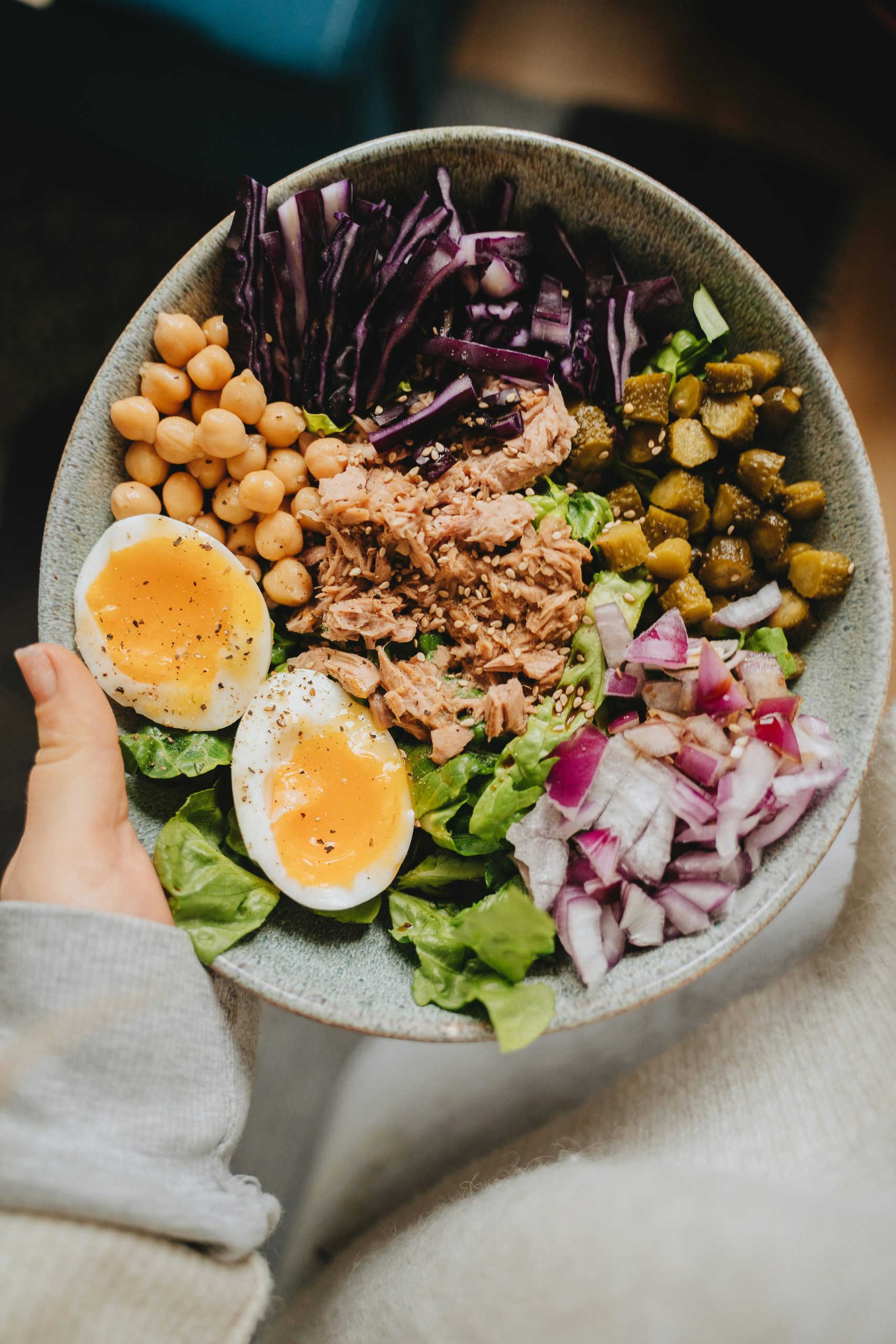
The good news is that a light dinner to help you lose weight can actually be really delicious! Here are the main food groups you should focus on.
Lean proteins: your best allies
Protein is extremely effective in the evening for several reasons: it keeps you full, it helps preserve muscle mass, and it requires more energy to digest (this is known as the thermic effect of food). A study by the’Maastricht University showed that a high-protein dinner significantly increased feelings of fullness.
The best sources of lean protein for the evening:
- Chicken or turkey breast (about 25 g of protein per 100 g)
- White fish fillets: cod, sole, tilapia (low in fat)
- Whole eggs or egg whites
- Tofu and tempeh for vegetarian options
- 0 % fromage blanc or plain skyr
Vegetables: The Essential Foundation of a Balanced Dinner
Vegetables are your best friend at dinnertime! Rich in fiber, water, and micronutrients, they add volume to your plate while providing minimal calories. Zucchini, green beans, broccoli, cucumber, spinach, and fennel are perfect for a low-calorie meal and filling.
Healthy fats in small amounts
A drizzle of olive oil, a few slices of avocado, or a handful of almonds: high-quality fats help the body absorb fat-soluble vitamins and contribute to feelings of fullness. The key is not to cut them out entirely, but to use them in moderation.
Starchy foods: Yes, but which ones?
Contrary to popular belief, starchy foods don’t necessarily have to be avoided in the evening. It’s the low-glycemic-index starchy foods that stand out: lentils, chickpeas, quinoa, and sweet potatoes. They are high in fiber, are digested slowly and help prevent late-night cravings. In small portions, they’re perfectly compatible with a weight-loss dinner!
✅ Lean protein paired with high-fiber vegetables is the winning combination for a balanced dinner that promotes weight loss without frustration.
A summary chart of foods to eat and avoid in the evening
| ✅ Recommended | ❌ Use sparingly |
|---|---|
| Chicken breast, turkey, white fish | White pasta, white rice, white bread |
| Green vegetables (broccoli, zucchini, spinach) | Ultra-processed industrial foods |
| Lentils, chickpeas, quinoa | Sweet desserts, pastries |
| Eggs, tofu, skyr | Alcohol, soft drinks |
| Olive oil, avocado (a small amount) | Fatty deli meats, rich cheeses |
5 Light Dinner Recipe Ideas
Here are my tried-and-true recipe ideas for a light dinner that won't derail your efforts. They're quick, filling, and honestly delicious!
1. Steamed salmon steak with green beans and lemon
Salmon is a good source of omega-3s and high-quality protein. Paired with a generous serving of steamed green beans and a squeeze of lemon, it makes for a balanced dinner to help you lose weight—ready in less than 20 minutes. About 350 kcal for a generous serving.
2. Omelet with vegetables and cottage cheese
3 whole eggs, diced zucchini sautéed in olive oil, a few fresh herbs, and a spoonful of cottage cheese to top it off. Simple, quick, and honestly the best choice for a hassle-free, low-calorie evening meal.
3. Quinoa Bowl with Roasted Chickpeas and Grilled Vegetables
Quinoa contains all 9 essential amino acids, making it a complete plant-based protein source. Paired with oven-roasted chickpeas and seasonal vegetables, this bowl is filling, colorful, and very well-balanced in terms of macronutrients. If you’re looking for a more strict approach to calorie counting, you can check out our recommendations on meals to dry, which offer interesting alternatives.
4. Pan-fried turkey breast, spinach with garlic, and sweet potato
Sweet potatoes have a much lower glycemic index than regular potatoes (55 versus 80). They’re the perfect starchy side dish for dinner! Pair them with turkey breast and spinach sautéed with garlic, and you’ve got a low-calorie dinner and extremely comprehensive.
5. Homemade High-Protein Vegetable Soup
A hearty winter vegetable soup (leeks, carrots, celery), pureed and enriched with cottage cheese or red lentils: this makes for a light, warm meal that helps you feel full. According to several studies on eating behavior, soups increase stomach volume and reduce the total number of calories consumed during a meal.
How Can You Maximize Your Weight Loss Through Dinner?
Eat at set times and not too late
The timing of dinner plays a real role in weight management. Ideally, eating dinner before 8 p.m. gives your body enough time to digest before bed. Research in chronobiology, particularly that of the Salk Institute, show that eating within a restricted time window promotes fat loss.
Pay attention to your portion sizes
Even with the best foods, a calorie surplus is still a calorie surplus. Here’s a coaching tip I often use: the balanced-plate method. ½ plate of vegetables, ¼ plate of protein, ¼ plate of low-GI starchy foods. It's simple, visual, and it really works well! For some people with very specific goals, a 1200-calorie menu for women This may be an option worth exploring with a professional.
How can you avoid late-night cravings?
Late-night cravings are often a sign that your dinner was low in protein or fiber. If you find yourself reaching for chocolate at 10 p.m., it’s probably because your evening meal wasn’t filling enough. Opt for foods that are highly satiating: legumes, eggs, fish, and high-fiber vegetables.
A herbal tea (chamomile, verbena, valerian) can also help curb your urge to snack and promote a quality sleep, which is itself a factor in weight loss. A lack of sleep disrupts the hormones that regulate hunger and satiety (ghrelin and leptin) in less than two nights!
Sleep and Weight Loss: An Underestimated Connection
According to the’University of Chicago, sleeping less than 6 hours a night reduces fat loss by 55 % when following a low-calorie diet. In other words, paying attention to your dinner also means paying attention to your sleep—and therefore your weight loss. It’s all connected! If you’re considering a more structured approach with a high-protein diet, information on a High-protein diet with a sample menu might interest you.
FAQ – Your Questions About Dinner for Weight Loss
Should I cut out carbs in the evening to lose weight?
Not necessarily! The idea isn't to cut out all carbohydrates, but to choose complex carbohydrates with a low glycemic index (lentils, sweet potatoes, quinoa) and eat them in small amounts. Cutting them out completely can lead to nutrient deficiencies and cravings. Moderation is the key.
Should you skip dinner to lose weight?
No, and it’s actually counterproductive! Skipping dinner often leads to low blood sugar and late-night snacking that’s much higher in calories. A light, well-balanced dinner is always better than skipping the meal altogether.
What time should I eat dinner to lose weight?
Ideally between 7:00 p.m. and 8:00 p.m. This allows for about 2 to 3 hours of digestion before bedtime and is part of a strategy to natural intermittent fasting (If you eat lunch around 12:30 p.m., you'll have an eating window of about 7 to 8 hours.).
What drink should you have in the evening to promote weight loss?
Water is still the best option. You can also choose diuretic or digestive herbal teas (dandelion, fennel, ginger). Green tea drunk early in the evening can also be beneficial thanks to its catechins, which support metabolism. Avoid fruit juices, even «natural» ones: they’re very high in simple sugars.
Does eating protein at night make you gain weight?
Absolutely not! Lean proteins are your best allies in the evening. They boost muscle synthesis while you sleep, increase feelings of fullness, and have a thermic effect that burns energy during digestion. My clients who increase their protein intake at dinner often see a significant improvement in their results!
Additional Frequently Asked Questions About Dinner and Weight Loss
Can you eat fruit in the evening without gaining weight?
Yes, but choose fruits that are low glycemic index such as apples, pears, or berries. A 100-gram serving provides about 50 kcal and fiber. Avoid fruits that are too sweet (bananas, grapes) after 8 p.m. to limit insulin spikes. Citrus fruits aid digestion thanks to their enzymes.
Is the 16/8 intermittent fasting method compatible with a light dinner?
Absolutely. The 16/8 fast involves eating within an 8-hour window. Having dinner at 7 p.m. and then fasting until 11 a.m. the next day optimizes the lipolysis. A study shows a loss of 3 to 8 % of abdominal fat in 3 months. Pair it with protein and vegetables to avoid nutritional deficiencies.
Do spices like turmeric or ginger help you lose weight in the evening?
Yes. The turmeric reduces inflammation and boosts metabolism by 5 %. Ginger speeds up digestion and reduces water retention. A pinch in a tea or a dish increases thermogenesis. These spices are also rich in antioxidants, which are beneficial for nighttime recovery.
Should I avoid dairy products in the evening to lose weight?
No, but please choose some versions lean. A 0 % Greek yogurt provides 10 g of protein per 60 kcal and helps you feel full. Cottage cheese is rich in casein, a slow-digesting protein. Avoid high-fat cheeses (more than 20 % MG) that slow digestion and increase calorie intake.
Is a liquid dinner (soup, smoothie) effective for weight loss?
Yes, if it's balanced. A vegetable soup with protein (chicken, lentils) provides 200 to 300 kcal and 15 g of fiber. Smoothies should contain proteins (plant-based milk, protein powder) to prevent cravings. A study shows a 20 % reduction in calories consumed during a liquid meal.