English
  French
  Spanish
  German


What You Need to Know About Vitamin D and Hair Loss
Key Takeaways
- According to Inserm, nearly one in two adults in France is deficient in vitamin D, especially in the winter
- Vitamin D activates the VDR receptors in the hair follicle and regulates the hair growth cycle
- According to ANSES, the recommended daily intake is 15 to 20 micrograms per day, with visible results after at least 3 months
- An effective supplement combines vitamin D3, iron, zinc, and biotin for optimal results
Is your hair falling out in handfuls, and you don't know why? Before you rush out to buy the first "miracle" shampoo you see, let's talk about something that's all too often overlooked: the Vitamin D for Hair. For my clients, this is often the one thing missing from the diagnosis, even though it really makes all the difference.
Vitamin D acts directly on the hair follicle, that little factory that makes every strand of hair. Without it, the hair growth cycle completely falls apart. The result? A decline that sets in and drags on.
According to a study published by Inserm, Nearly one in two adults in France has a vitamin D deficiency, especially in winter. This statistic should be a wake-up call for anyone looking for an explanation for their hair loss. 😮
Why is vitamin D so important for your hair?
Vitamin D deficiency and hair loss? There’s a direct link, and it’s even scientifically documented. Your hair follicles have VDR receivers (vitamin D receptors) that bind to this vitamin to trigger the hair's growth phase.
Without enough vitamin D, these receptors remain dormant. The hair remains stuck in telogen phase, that is, the resting phase before the fall. It is precisely this mechanism that explains the’telogen effluvium, that gradual loss of firmness that affects so many women after childbirth, intense stress, or an overly strict diet.
What I love explaining to my clients is that vitamin D never works alone. It works in tandem with the keratin, the protein that gives hair its structure. Not enough vitamin D leads to reduced keratin production, resulting in thinner, more brittle hair. It’s that simple!
Alopecia areata and androgenetic alopecia: What is the connection to vitamin D?
L'alopecia areata, this autoimmune disease that causes patches of hair loss, is particularly linked to vitamin D deficiency. Several dermatological studies have shown abnormally low levels of vitamin D in affected patients.
For the’androgenetic alopecia, given the factors related to hormones and genetics, vitamin D alone cannot work miracles. But it remains a the perfect ally in addition to a treatment such as minoxidil, prescribed by a dermatologist to stimulate hair growth. In fact, healthy hair also depends on the quality of the collagen for hair, which works in synergy with vitamin D.
How can you tell if you're deficient in vitamin D?
Yet vitamin D deficiency affects a great many people without them even realizing it. Limited sun exposure, a diet low in fatty fish, and darker skin that synthesizes vitamin D less efficiently—there are many causes.
A simple blood test at your doctor’s office can measure your 25(OH)D level. See your primary care physician if you’ve been experiencing unexplained hair loss for more than three months. This is the only way to get an accurate diagnosis, not just a guess.
- Unexplained Chronic Fatigue
- Dull hair that breaks easily
- Brittle and split nails
- Diffuse loss throughout the scalp
- Low spirits, especially in winter
What other nutrients work alongside vitamin D to keep your hair looking its best?
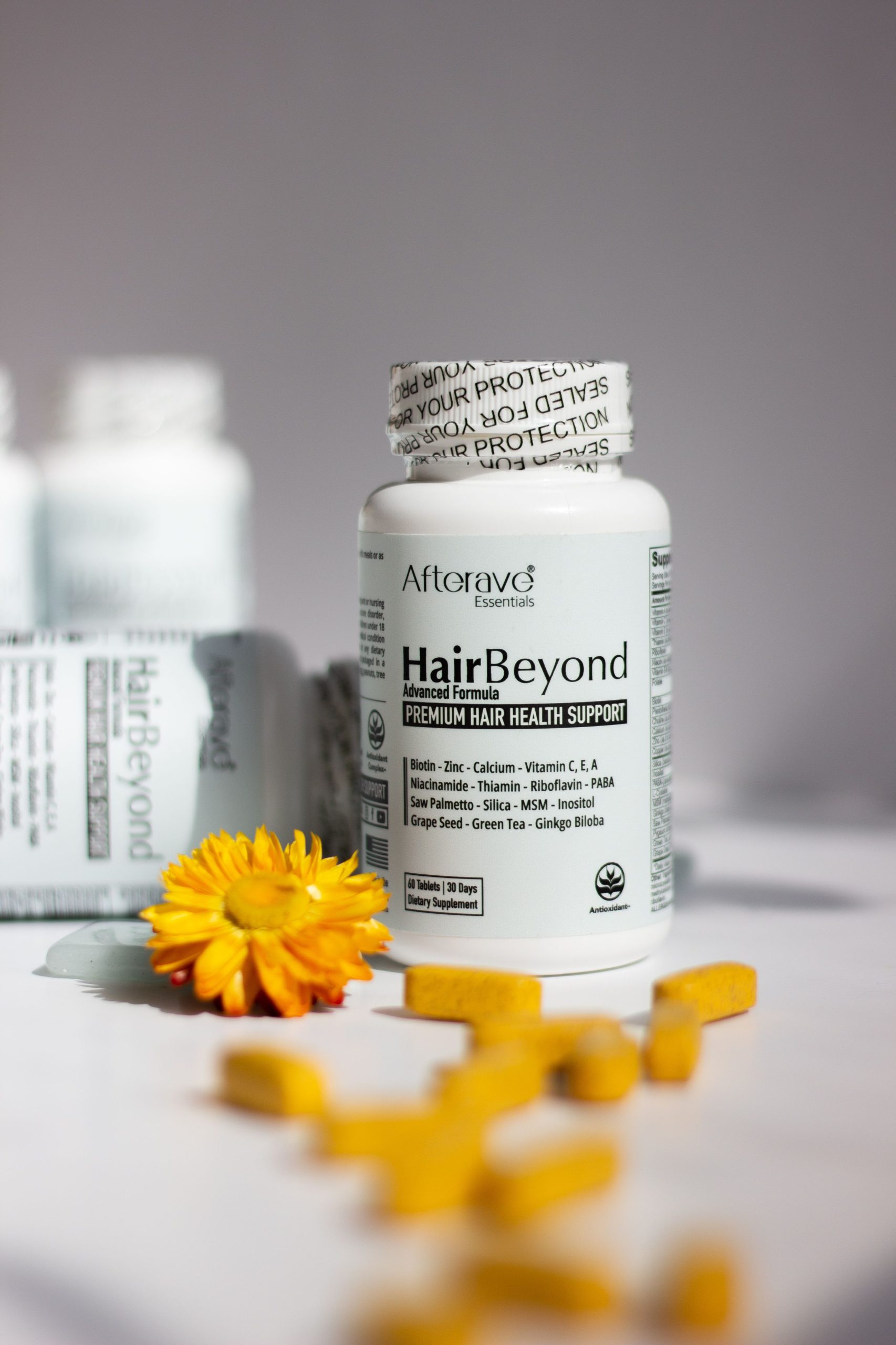
Vitamin D doesn't act alone, and that's where many people get it wrong. Hair loss is often caused by a combination of deficiencies, not just one.
Visit iron deficiency, measured by the rate of ferritin, is one of the leading causes of falls among women. The zinc also plays a direct role in keratin production and scalp repair. And the biotin, also known as vitamin B8, perfectly rounds out this winning trio.
| Nutrient | Lead Role | Natural Sources |
|---|---|---|
| Vitamin D3 (cholecalciferol) | Activates VDR receptors in the hair follicle | Sun, salmon, egg yolk |
| Iron / Ferritin | Oxygenates the hair follicle | Red meat, lentils, spinach |
| Zinc | Supports keratin synthesis | Oysters, pumpkin seeds |
| Biotin (B8) | Strengthens the hair shaft | Egg, almonds, liver |
Honestly, it really bugs me to see so many brands selling «hair» treatments that contain just one active ingredient. A truly effective regimen combines several nutrients—otherwise, you’re just wasting your time and money!

Should you take a vitamin D supplement for your hair?
A low blood level confirms a deficiency—should you go the natural route or take supplements? A little coach's secret: the two complement each other very well.
L'sun exposure remains the best natural source of vitamin D. Fifteen to twenty minutes a day, with your arms and face exposed, is more than enough in the summer. But in the fall and winter, it’s impossible to get enough from the sun alone.
That's where a food supplement made from vitamin D3 (cholecalciferol) becomes a great option. D3 is better absorbed by the body than plant-based D2. The results can be impressive when this supplementation is combined with a holistic approach to health and nutritional well-being.
According to ANSES recommendations, the recommended daily intake of vitamin D is between 15 and 20 micrograms per day in adults. A simple guideline to keep in mind before buying any supplement.
Avoid low-cost supplements that do not specify a precise dosage. Ask your pharmacist for advice on choosing a supplement with the right dosage for your situation. Side effects are minimal at the recommended doses, but prolonged overdose can cause kidney problems.
How long before I see results?
The hair growth cycle is slow, so you'll need to be patient. Allow at least three months of supplementation before you notice a real difference in hair regrowth.
A study cited by the American Academy of Dermatology shows that hair follicles in the anagen (growth) phase respond better to supplementation when it is combined with adequate intake of iron and zinc. 💡
My clients who follow this approach for several months are always amazed by the results. Less hair in the brush, visible regrowth at the temples, and a less sensitive scalp. These are real results!
For stronger hair, remember these key points: have your vitamin D levels checked, combine it with iron, zinc, and biotin, and get a reasonable amount of sun exposure. The Vitamin D for Hair It's not just a marketing gimmick—it's a real scientific tool. So, are you going to give it a try right now?